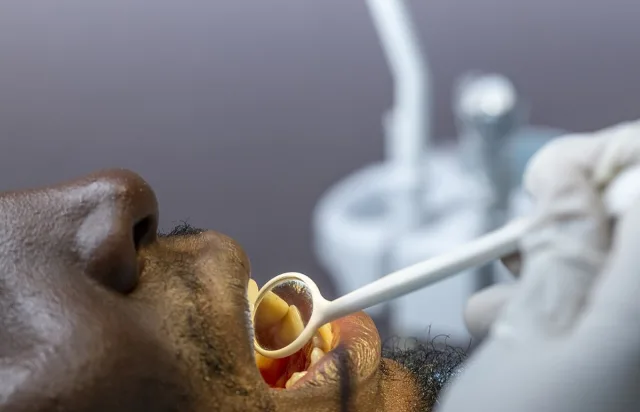

First ADA living guideline: dental exams remain key to detecting oral cancer early
- The American Dental Association released the final recommendations of its first living guideline on 28 September 2026.
- It says clinicians should perform a full exam inside and outside the mouth for all adults.
- A punch or scalpel biopsy remains the definitive way to diagnose oral and lip cancer.
- Adjunct tests such as cytology, stains and light-based tools should not replace an indicated biopsy.
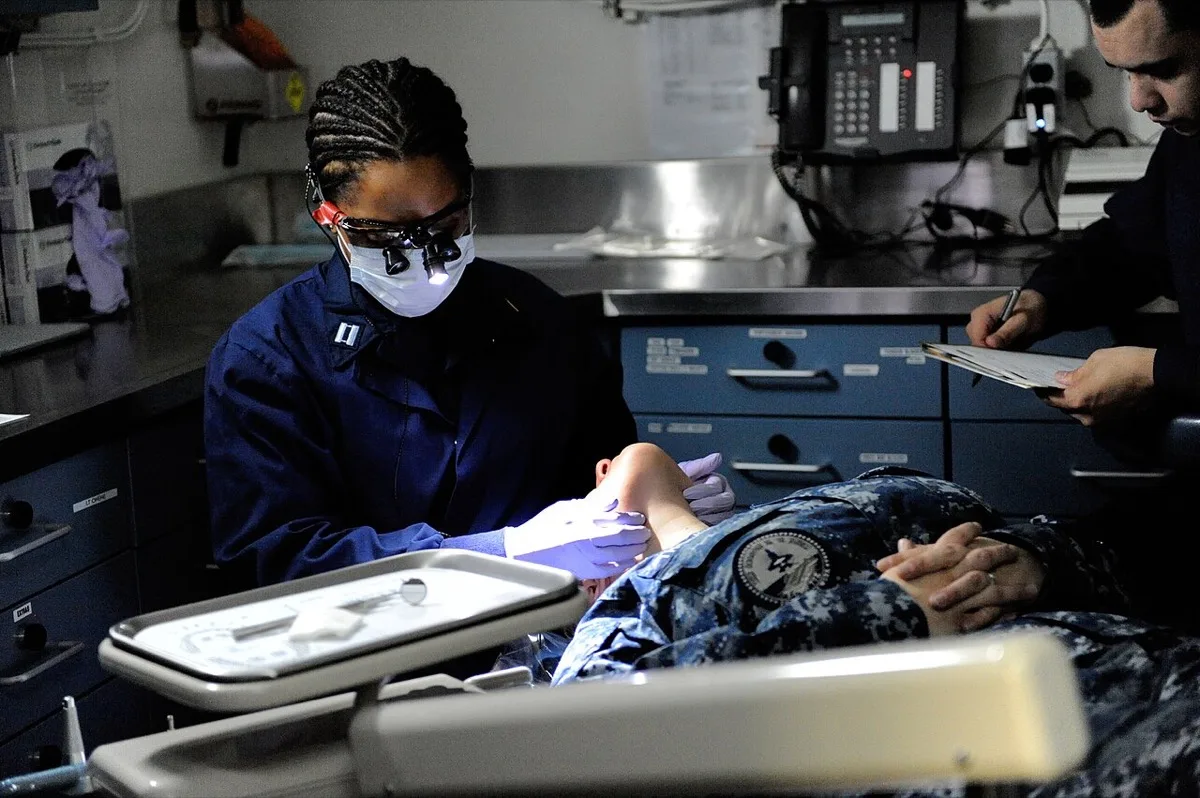
The American Dental Association (ADA) has released the final recommendations of its first guideline from the ADA Living Guideline Program, published online on 28 September 2026 in The Journal of the American Dental Association. It covers the early detection of oral squamous cell carcinoma and potentially malignant disorders of the mouth and lips.
The core message
The guideline states that clinicians should perform a comprehensive exam inside and outside the mouth for all adults, explain its role in finding oral and lip lesions early, and keep patients' medical, social and dental histories up to date. Panel chair Dr. Mark Lingen of the University of Chicago Medicine said dental visits can save lives, because early detection often leads to better outcomes.
Also read: Breast Cancer Awareness Month: WHO launches training manual to expand early breast cancer care
Biopsy remains the gold standard
A punch or scalpel biopsy followed by laboratory examination is the definitive way to diagnose oral and lip cancer and precancerous disorders. When a biopsy is needed, clinicians should perform it promptly or refer the patient to a specialist.
Adjunct tests
Released in four parts this year, the guideline reviewed cytology, vital staining, light-based and salivary tests. These should not replace an indicated biopsy or referral and are generally not recommended for routine use in adults with visible lesions or for screening adults without lesions. Cytology may be offered in limited cases when a biopsy is not possible, and salivary tests should be used only in research. If a lesion does not resolve 10 to 14 days after the first evaluation without a clear diagnosis, further action is recommended.
Source: ADA News
This story is relayed from the source named above; responsibility for its content rests with the original source.
FAQ
What does the ADA living guideline on oral cancer recommend?
The ADA living guideline recommends a comprehensive exam inside and outside the mouth for all adults, with updated medical, social and dental histories, to detect oral cancer early.
What is the definitive test for oral cancer?
According to the ADA guideline, a punch or scalpel biopsy followed by laboratory examination is the definitive way to diagnose oral and lip cancer.
Can light-based or saliva tests replace a biopsy for oral cancer?
No, the ADA guideline says adjunct tests such as cytology, vital stains, light-based and salivary tests should not replace an indicated biopsy or referral.
What should happen if a mouth lesion does not heal?
The ADA guideline recommends further action if an oral lesion does not resolve 10 to 14 days after the first evaluation without a definitive diagnosis or treatment plan.
What is an ADA living guideline?
An ADA living guideline is a clinical guideline from the American Dental Association's Living Guideline Program that is released and updated as new evidence emerges.