
A fluoride-free gel that may rebuild tooth enamel, from the University of Nottingham
- University of Nottingham researchers have created a protein-based gel that mimics how enamel forms in childhood.
- The gel fills microscopic cracks and guides calcium and phosphate from saliva into new, ordered crystals.
- It may also cover exposed dentine, easing sensitivity and helping fillings bond.
- The work is published in Nature Communications; the gel is not yet in clinical use.
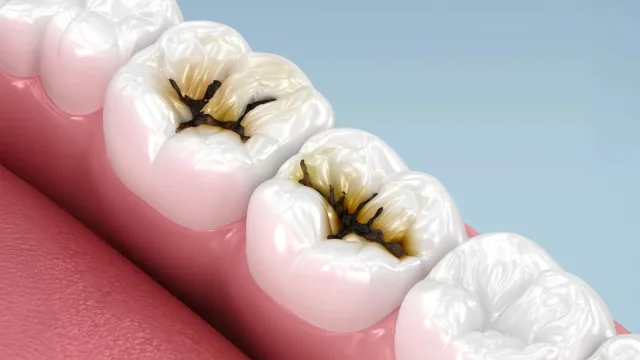
Enamel is the hardest tissue in the body, but once teeth have formed it contains no living cells to repair it. What is lost to decay or acid erosion is generally gone for good. Researchers at the University of Nottingham's School of Pharmacy and Department of Chemical and Environmental Engineering have developed a material that could change that, reporting their results in Nature Communications.
How the gel works
The gel contains no fluoride. Instead it uses a protein-based material that imitates the natural proteins that guide enamel formation when teeth first develop. Once applied, it forms a thin, durable coating that penetrates the tooth surface and fills microscopic cracks. That coating acts as a scaffold, drawing in calcium and phosphate ions naturally present in saliva and organising them into new crystals that grow in an orderly pattern. That order matters: enamel's hardness comes from the precise arrangement of its crystals, not from minerals alone.
Also read: Clinical trial: prefilled trays and whitening strips work equally well when used for an hour a day
Possible benefits
Dentists could apply it in much the same way as a fluoride treatment. The team also found it can grow an enamel-like layer over exposed dentine, which may reduce sensitivity to hot, cold and sweet foods and improve the bond of fillings. Existing products such as fluoride varnish protect teeth and repair early mineral loss, but cannot rebuild enamel that has already worn away.
What to keep in mind
This is still research, not a treatment available in clinics. Until it is, badly worn or damaged teeth are restored with cosmetic dentistry such as Hollywood smile veneers or smile design, depending on each patient's needs.
Sources: ScienceDaily (University of Nottingham), Nature Communications
This story is relayed from the source named above; responsibility for its content rests with the original source.
FAQ
What gel has the University of Nottingham developed?
University of Nottingham researchers developed a fluoride-free, protein-based gel that mimics how enamel forms in childhood and helps new mineral crystals grow on teeth.
Does the Nottingham enamel gel contain fluoride?
No. The Nottingham gel contains no fluoride; it uses a protein-based material that attracts calcium and phosphate from saliva.
Could the gel help with sensitive teeth?
The Nottingham gel may help sensitive teeth because it can form an enamel-like layer over exposed dentine, according to the researchers.
Why can't tooth enamel repair itself?
Tooth enamel cannot repair itself because it has no living cells once teeth have formed; saliva can only replace a small amount of minerals at the earliest stage of damage.
Is the enamel-rebuilding gel available to patients?
No. The enamel-rebuilding gel is still at the research stage and is not yet used in dental clinics.