

Every plant-based food in a UK study contained fungal toxins, all within EU guideline levels
- Researchers from the University of Parma and Cranfield University tested 212 plant-based products sold in the UK.
- Every product contained at least one of 19 mycotoxins, and many contained several.
- All concentrations were below recommended European Union guideline levels.
- The team says repeated exposure in diets heavy in these products deserves further study.
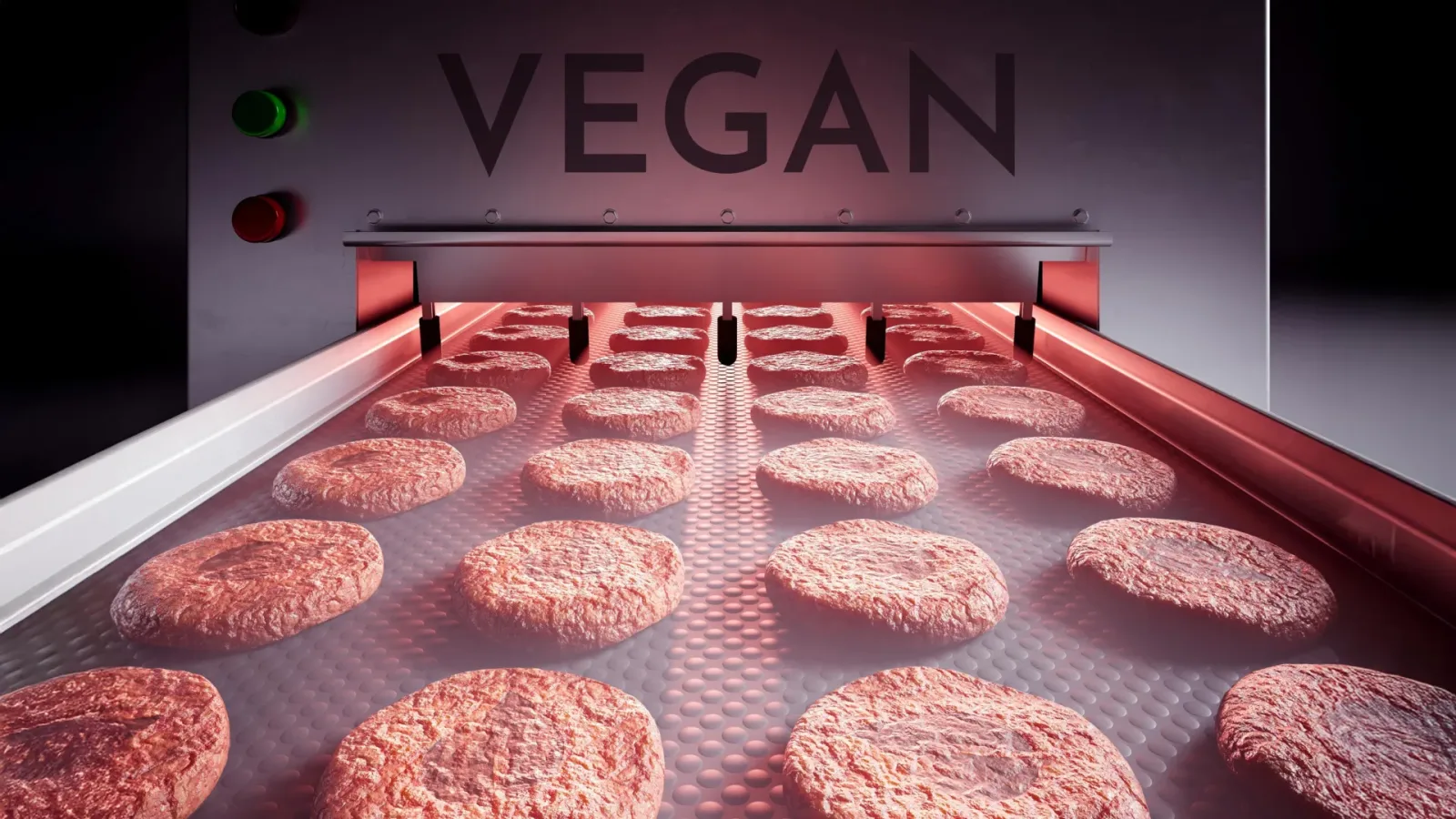
A study led by the University of Parma in Italy, with Cranfield University in the UK, found that all 212 plant-based foods and drinks it tested from UK shops contained at least one naturally occurring fungal toxin. The products included meat alternatives such as vegan burgers, vegetarian chicken pieces and vegan sausages, and dairy alternatives such as oat, almond and soy drinks. The results appear in the journal Food Control.
What are mycotoxins?
Mycotoxins are chemicals produced by certain fungi, including moulds. They enter the food supply when crops are contaminated while growing, at harvest or in storage. Grains, legumes and seeds, the backbone of plant-based products, are especially prone. Detecting a toxin does not mean the product contains living mould, nor that it is automatically unsafe; risk depends on the toxin, its level and how much is eaten over time.
The reassuring part
The researchers found at least one of 19 mycotoxins in every product, often several, but every concentration was below EU guideline levels, which they attribute to high UK food quality standards. Andrea Patriarca, a mycology lecturer at Cranfield, said mycotoxins occur naturally, cannot be avoided completely and should not put people off a varied diet.
Why it still matters
Eating these products occasionally is unlikely to cause problems at the levels reported. The concern is cumulative exposure for people whose diets rely heavily on plant-based foods, who may take in small amounts from many sources. At high enough levels some mycotoxins can damage the liver and kidneys, weaken immunity and raise cancer risk, although this study does not show that the products tested cause such effects.
Sources: ScienceDaily (Cranfield University), Food Control
This story is relayed from the source named above; responsibility for its content rests with the original source.
FAQ
What did the UK study find in plant-based foods?
The University of Parma and Cranfield study found that each of 212 plant-based products contained at least one fungal toxin, all within EU guideline levels.
What are mycotoxins?
Mycotoxins are chemicals made by certain fungi and moulds that can contaminate crops in the field, at harvest or in storage.
Are the plant-based foods tested unsafe?
No. All mycotoxin concentrations in the plant-based foods tested were below recommended European Union guideline levels.
Why are plant-based foods prone to mycotoxins?
Plant-based foods are prone to mycotoxins because they rely on grains, legumes and seeds, which are susceptible to mould in fields and storage.
Who should think about cumulative mycotoxin exposure?
The researchers say people whose diets rely heavily on plant-based products may be exposed to mycotoxins from many sources, and the cumulative effect needs study.