
Energy drinks appear 11 times more often in cardiac arrest reports, preliminary study finds
- University of Virginia researchers analysed FDA adverse-event reports for foods and supplements from 2017 to 2025.
- Caffeine and stimulant products appeared 11 times more often in cardiac arrest reports and 4.5 times more in heart attack reports.
- Adults aged 18 to 34 made up a large share of the reports.
- The research is preliminary and does not show that energy drinks caused these events.
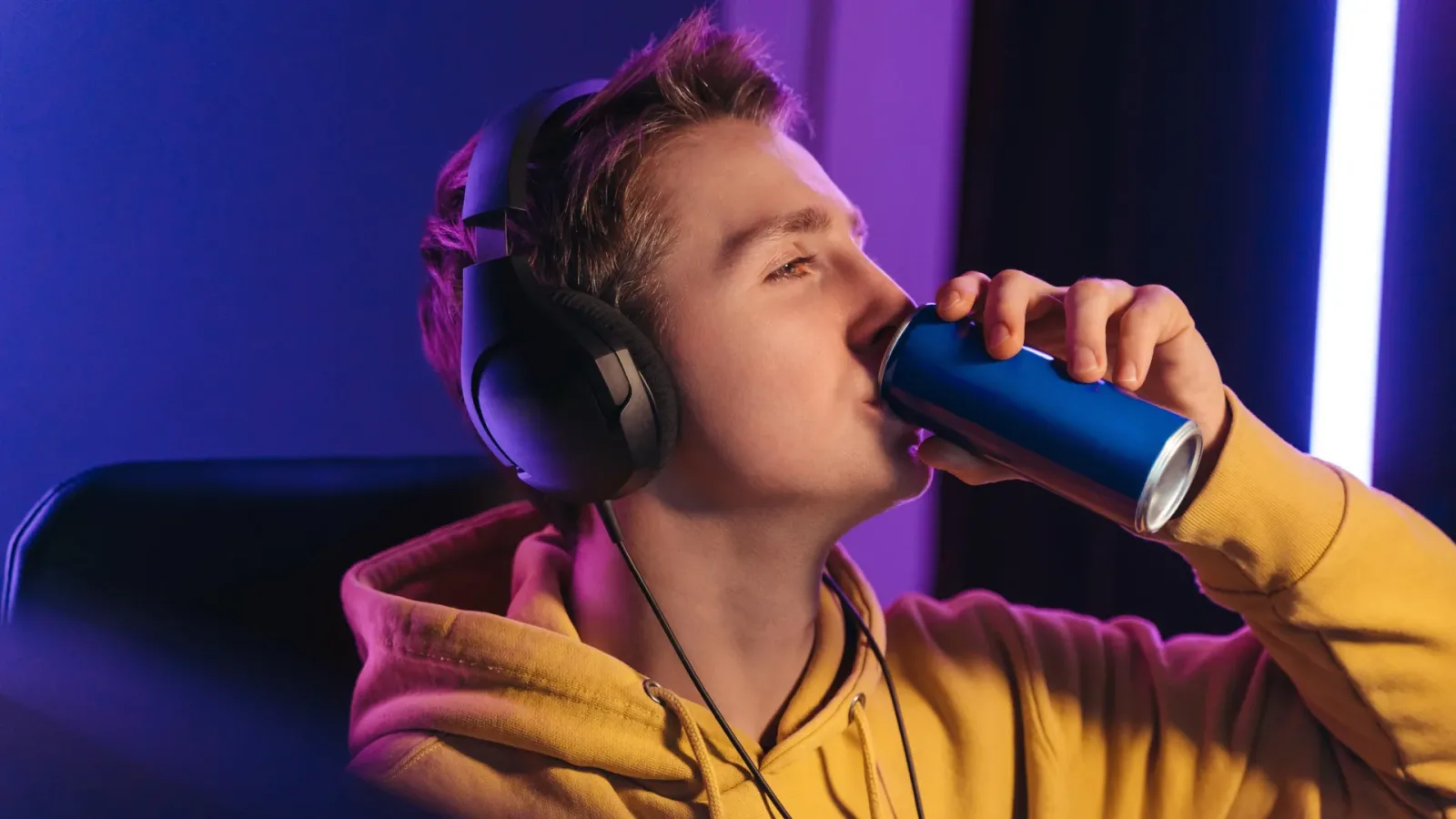
Preliminary research presented at the American Heart Association's Scientific Sessions 2026 has raised new questions about energy drinks and stimulant supplements. A team from the University of Virginia School of Medicine examined the FDA's database of suspected adverse reactions to foods and dietary supplements, covering people aged 13 and over from 2017 to 2025. They compared caffeine- and stimulant-containing products with others such as soft drinks, smoothies, vitamins and protein bars.
What they found
Caffeine and stimulant products appeared 11 times more often in reports of cardiac arrest and 4.5 times more often in reports of heart attack. Adults aged 18 to 34 accounted for a substantial share of the heart-related reports involving these products.
Reading the numbers carefully
The authors stress that these figures describe how often problems show up within the reports. They do not mean that someone drinking energy drinks faces an 11-fold real risk of cardiac arrest. The study cannot prove cause and effect; heavy exercise, mixing with alcohol or undiagnosed heart conditions could all play a part.
How much caffeine is too much?
A 2026 American Heart Association scientific statement says most adults can generally have up to 400 mg of caffeine a day, roughly five 8-ounce cups of coffee. But some energy drinks carry up to three times as much caffeine per ounce as brewed coffee, and some pre-workout supplements more than 12 times. Study author Sai Samayamanthula urged clinicians to ask young patients with palpitations, chest pain or fainting about these products.
Source: ScienceDaily (American Heart Association)
This story is relayed from the source named above; responsibility for its content rests with the original source.
FAQ
What did the University of Virginia study find about energy drinks?
The University of Virginia study found that caffeine and stimulant products appeared 11 times more often than other products in FDA reports of cardiac arrest.
Does the study prove energy drinks cause cardiac arrest?
No. The study is preliminary and based on voluntary reports, so it cannot show that energy drinks caused the cardiac events.
How much caffeine is safe for adults?
According to a 2026 American Heart Association statement, most adults can generally consume up to 400 mg of caffeine a day.
Why are experts concerned about energy drinks in particular?
Experts are concerned because some energy drinks contain up to three times more caffeine per ounce than coffee, making it easy to exceed the daily limit.
Which age group featured most in the stimulant-related heart reports?
Adults aged 18 to 34 made up a substantial share of the heart-related reports involving caffeine and stimulant products.