
From a mouldy dish to a Nobel Prize: the discovery of penicillin
- In 1928, at St Mary's Hospital in London, Alexander Fleming showed that a Penicillium mould kills certain bacteria.
- He named the substance penicillin, but his 1929 paper attracted little attention.
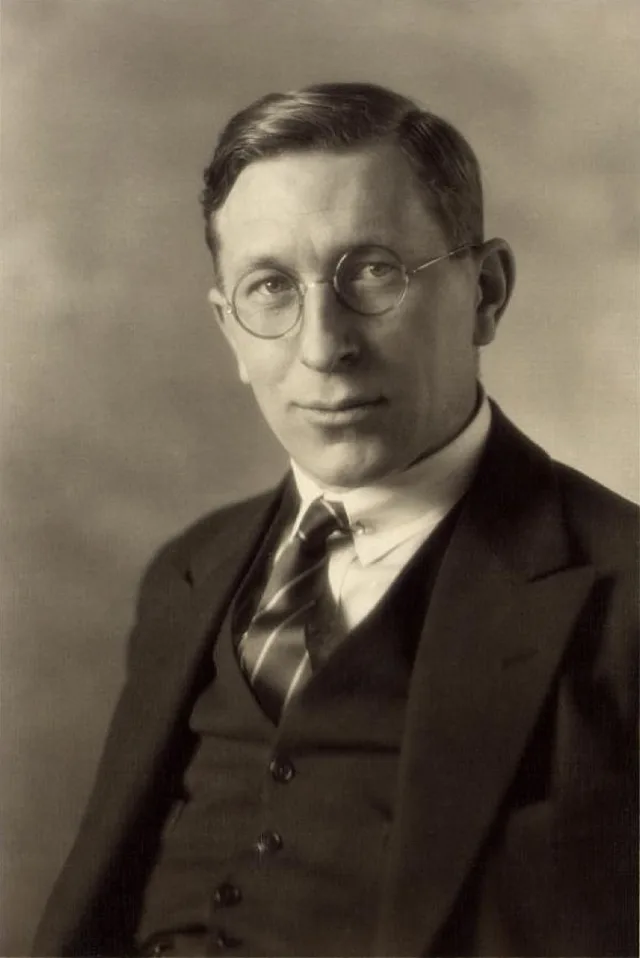
- From 1939, a team at the University of Oxford led by Howard Florey and including Ernst Chain turned it into a usable medicine.
- Fleming, Florey and Chain shared the 1945 Nobel Prize in Physiology or Medicine.
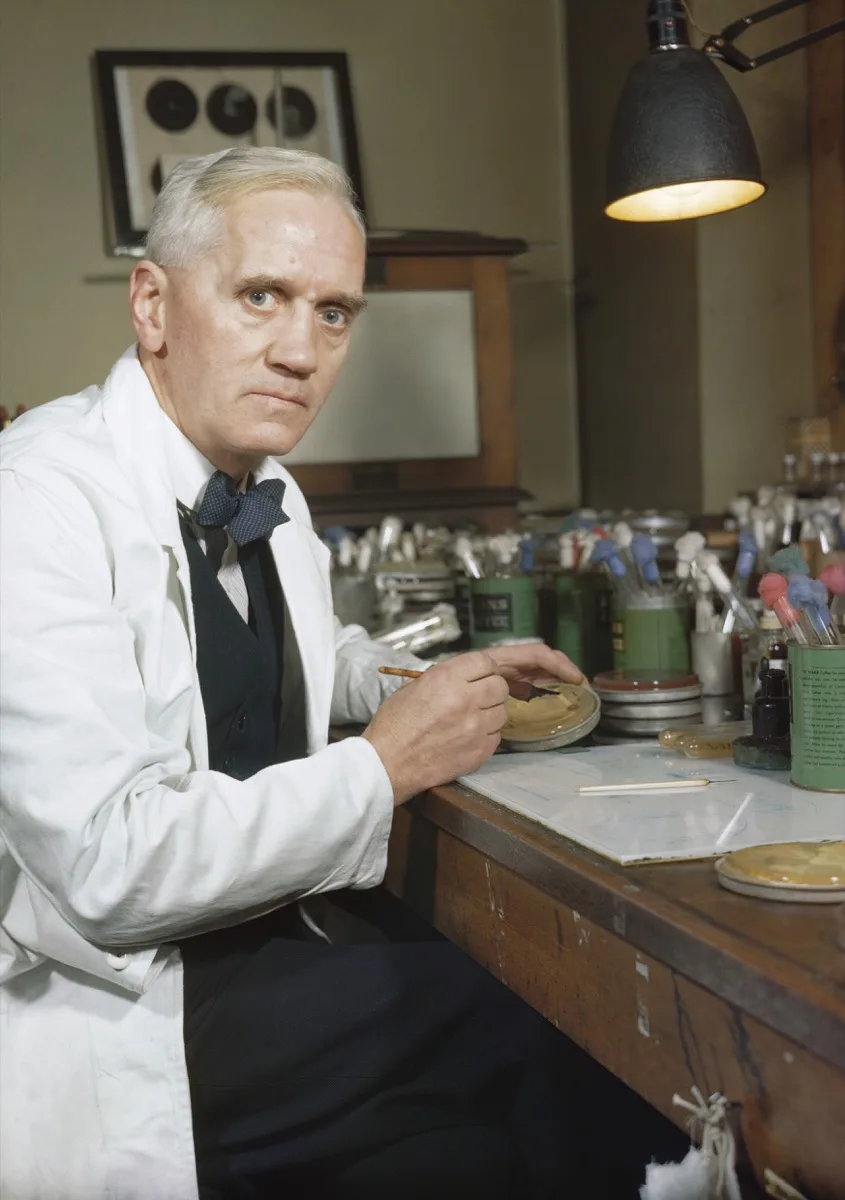
The discovery of penicillin is one of the most important moments in the history of medicine, and it began with a contaminated culture plate in London.
The mould at St Mary's
In 1928, Scottish physician Alexander Fleming was studying Staphylococcus bacteria at St Mary's Hospital in London. He noticed that a mould contaminating one of his cultures was killing the bacteria around it. Fleming later described waking on 28 September 1928 with no plan to revolutionise medicine. He concluded that the mould, a Penicillium, released an antibacterial substance, which he named penicillin, and found it killed only certain kinds of bacteria.
A discovery that was nearly forgotten
Fleming had no training in chemistry and left that work to his assistants. He reported his findings to the British Journal of Experimental Pathology in May 1929, but the article attracted little serious attention, and the work on penicillin at St Mary's ended that year.
Oxford turns it into a medicine
In 1939, a team at the Sir William Dunn School of Pathology at the University of Oxford, led by Howard Florey and including Ernst Chain, Norman Heatley, Edward Abraham and others, took up the research. They found ways to grow the mould and to extract, purify and store penicillin, tested its safety in animals, and then ran clinical trials. With mass production in the United States, penicillin saved the lives of thousands of soldiers in the Second World War.
Fleming, Florey and Chain shared the 1945 Nobel Prize in Physiology or Medicine. Penicillin opened the age of antibiotics, though today's spread of antibiotic resistance is a reminder that these medicines must be used carefully and only when they are needed.
Source: Wikipedia
This story is relayed from the source named above; responsibility for its content rests with the original source.
FAQ
Who discovered penicillin?
Alexander Fleming discovered penicillin in 1928 at St Mary's Hospital in London, when he saw that a Penicillium mould killed bacteria in a culture.
When was penicillin discovered?
Penicillin was discovered in 1928; Fleming later said he woke on 28 September 1928 without planning to revolutionise medicine.
Who turned penicillin into a usable medicine?
A University of Oxford team led by Howard Florey and including Ernst Chain developed methods from 1939 to produce, purify and test penicillin.
Who won the Nobel Prize for penicillin?
Alexander Fleming, Howard Florey and Ernst Chain shared the 1945 Nobel Prize in Physiology or Medicine for penicillin.
Why was Fleming's discovery ignored at first?
Fleming's 1929 paper attracted little attention, he had no chemistry training to purify penicillin, and the work at St Mary's stopped that year.