

Persistent bacterial vaginosis: Australian team tests longer and combined antibiotic treatments
- Bacterial vaginosis is the most common vaginal condition among women of reproductive age.
- In 2025 a Melbourne trial showed that treating male partners cut recurrence by more than 60%.
- A new analysis identifies two routes to repeat bacterial vaginosis: re-infection and persistence of bacteria.
- The team is now trialling longer and combined antibiotic courses for persistent cases.
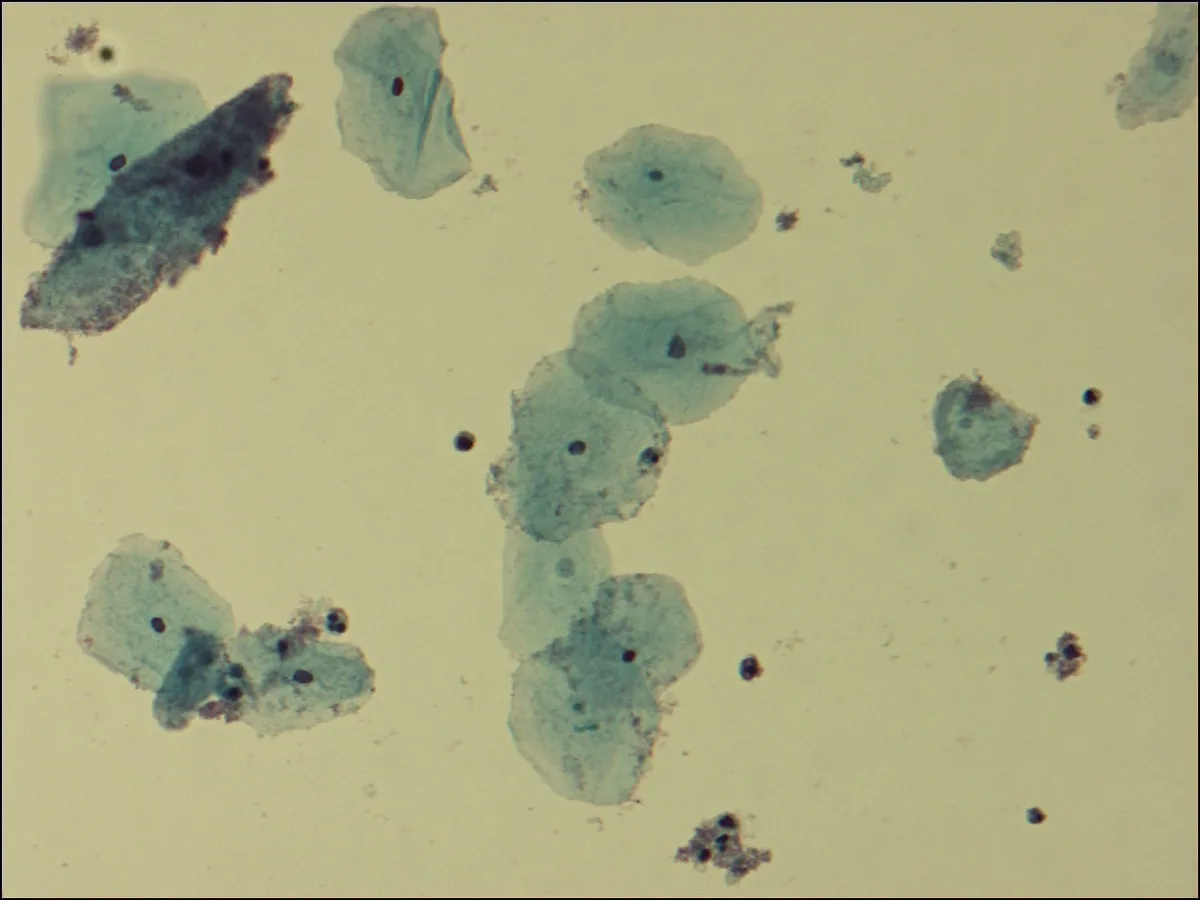
Bacterial vaginosis (BV) is the most common vaginal condition among women of reproductive age. It occurs when healthy vaginal bacteria are lost and other bacteria overgrow, upsetting the balance of the vaginal microbiome. Many women have repeated episodes after treatment.
The background
Researchers from Monash University and the Melbourne Sexual Health Centre (Bayside Health) showed in a 2025 study in the New England Journal of Medicine that treating male partners reduced BV recurrence in women by more than 60%, evidence that the condition is sexually transmissible.
Also read: New model explains why pain with sex can persist long after childbirth
The new findings
Their latest analysis, published in The Lancet Obstetrics, Gynaecology & Women's Health, examined why some women still have repeat BV even when their partners are treated at the same time. It identifies two distinct pathways: re-infection, and persistence of BV bacteria that survive the first course of treatment before couples resume sex.
Lead author Dr. Lenka Vodstrcil said that identifying persistence early allows more intensive, female-focused treatment before the infection takes hold again.
What comes next
Professor Catriona Bradshaw, the senior author, said the team is trialling longer courses and new combinations of antibiotics designed to eradicate persistent BV bacteria. The aim is to combine partner treatment, which addresses re-infection, with tailored treatment for persistence. These trials are still under way, so their results are not yet known.
Source: News-Medical (Monash University)
This story is relayed from the source named above; responsibility for its content rests with the original source.
FAQ
What is bacterial vaginosis?
Bacterial vaginosis is the most common vaginal condition in women of reproductive age, caused by a loss of healthy vaginal bacteria and an overgrowth of other bacteria.
Is bacterial vaginosis sexually transmissible?
Yes, the Monash University and Melbourne Sexual Health Centre research found evidence that bacterial vaginosis is sexually transmissible, since treating male partners cut recurrence by more than 60%.
Why does bacterial vaginosis come back after treatment?
The Melbourne research identified two reasons bacterial vaginosis returns: re-infection from a partner and persistence of bacteria that survive the first treatment.
What new treatments for persistent bacterial vaginosis are being tested?
The Melbourne team is testing longer courses and new combinations of antibiotics designed to eradicate persistent bacterial vaginosis bacteria.
Are the new bacterial vaginosis treatments available now?
No, the new antibiotic approaches for persistent bacterial vaginosis are still being tested in trials, and their results are not yet known.