
Finnish study: animal and plant protein show opposite links with testosterone in men
- A University of Eastern Finland study of 2,546 men aged 42 to 60 examined protein intake and testosterone.
- Men eating the most animal protein had total testosterone about 1.2 nmol/l lower than men eating the least.
- Men eating the most plant protein had levels about 1.1 nmol/l higher.
- The differences were small and the cross-sectional design cannot show cause and effect.
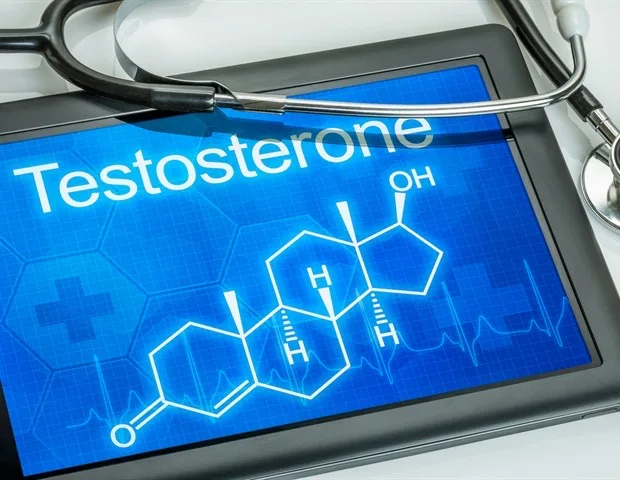
Testosterone is a key male hormone that matters for muscles, bones and sexual function. A study from the University of Eastern Finland, published in the International Journal of Food Sciences and Nutrition, looked at how the source of dietary protein relates to blood testosterone levels.
The study
The data come from the Kuopio Ischaemic Heart Disease Risk Factor Study and include 2,546 men aged 42 to 60 living in eastern Finland. Their diet was recorded over four days between 1984 and 1989, and total testosterone and sex hormone-binding globulin (SHBG) were measured in blood samples. The analysis adjusted for age, body mass index and other dietary, lifestyle and health factors.
Also read: BMJ editorial warns rapid growth in private testosterone prescribing risks overtreatment
The findings
- Men with the highest animal protein intake had total testosterone on average 1.2 nmol/l lower than men with the lowest intake.
- Men with the highest plant protein intake had levels 1.1 nmol/l higher than men with the lowest intake.
- Dairy protein was linked to lower testosterone and SHBG, while plant protein from vegetables and non-cereal sources was linked to higher testosterone. Meat protein was linked to lower SHBG but not to total testosterone.
Limits
Doctoral researcher Miika Wynne-Ellis noted that the differences, although statistically significant, were relatively small, and that their health implications cannot be inferred. The study was cross-sectional, so it does not prove that protein sources change testosterone production. The associations may reflect other parts of the diet or metabolic factors.
Source: News-Medical (University of Eastern Finland)
This story is relayed from the source named above; responsibility for its content rests with the original source.
FAQ
What did the Finnish study find about animal protein and testosterone?
The University of Eastern Finland study found that men with the highest animal protein intake had total testosterone about 1.2 nmol/l lower than men with the lowest intake.
Is plant protein linked to higher testosterone in men?
In the Finnish study, men with the highest plant protein intake had testosterone levels about 1.1 nmol/l higher than men with the lowest intake.
Which protein source was linked to lower testosterone in the Finnish study?
In the Finnish study, dairy protein was linked to lower total testosterone and lower sex hormone-binding globulin.
Who took part in the protein and testosterone study?
The protein and testosterone study included 2,546 men aged 42 to 60 from the Kuopio Ischaemic Heart Disease Risk Factor Study in eastern Finland.
Does eating plant protein raise testosterone?
The Finnish study cannot show that, because it was cross-sectional and found only small associations between plant protein and testosterone, not cause and effect.