
Global study: radiation doses from heart scans vary widely between countries
- An international study coordinated by the IAEA and Columbia University analysed radiation doses in more than 19,000 patients in 101 countries.
- The study found marked variation in radiation doses for the same heart tests between countries, regions and income levels.
- Patients in low- and middle-income countries often received higher doses, particularly for coronary CT angiography.
- The researchers stress that lowering radiation doses does not mean lowering diagnostic quality.
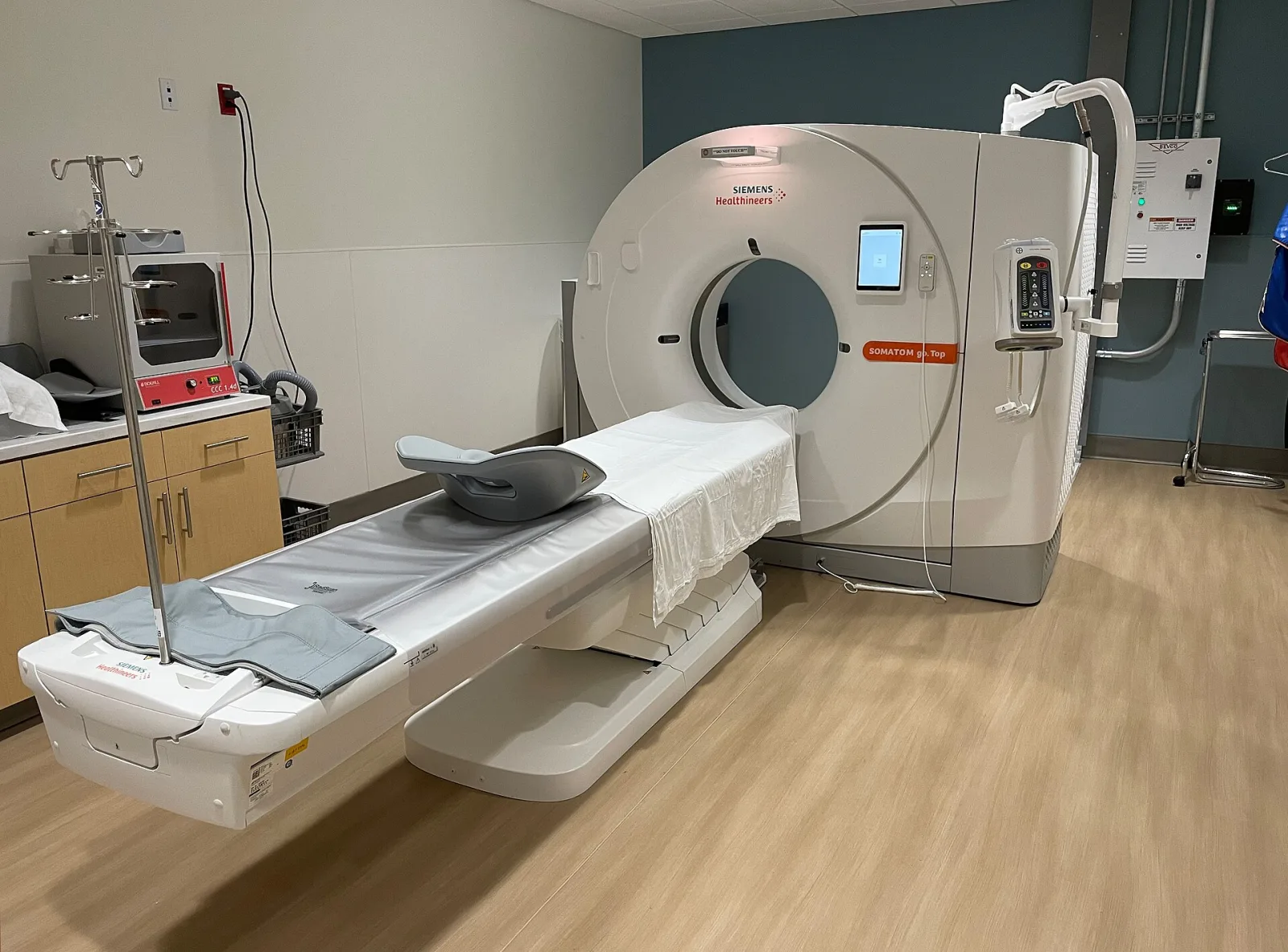
A major international study coordinated by the International Atomic Energy Agency (IAEA) and Columbia University in the United States has revealed wide differences in the amount of radiation patients receive from tests used to diagnose coronary artery disease, the narrowing or blockage of the arteries that supply the heart.
The largest global assessment of its kind
Published in JAMA, the study analysed data from more than 19,000 patients at 742 centres in 101 countries, making it the largest and most comprehensive global assessment of radiation exposure from non-invasive cardiac imaging. Each centre contributed data from one defined week in the fourth quarter of 2023, covering nuclear cardiology tests and cardiac CT scans.
Also read: Research in 27 countries sheds light on how ionising radiation affects the body
What the study found
Many centres kept radiation exposure within recommended limits, but the study found marked variation between countries, regions and income levels, with some patients receiving higher doses than others for the same test. Patients in low- and middle-income countries often received significantly higher doses, particularly for coronary CT angiography. Optimised protocols and newer technology were consistently associated with lower exposure.
Principal investigator Professor Andrew J Einstein of Columbia University said radiation from medical imaging saves lives every day but must always be optimised, adding that these differences are not inevitable because the technology and knowledge to reduce dose often already exist.
What comes next
The authors emphasise that reducing radiation doses does not mean reducing diagnostic quality, and call for better training, standardised protocols, updated equipment and regional and global dose reference levels. Note that the study measured doses, not their health effects on patients.
Source: International Atomic Energy Agency
This story is relayed from the source named above; responsibility for its content rests with the original source.
FAQ
What did the IAEA study on cardiac imaging find?
The study found marked variation in the radiation doses patients receive for the same heart tests between countries, regions and income levels.
How many patients were in the cardiac imaging radiation study?
The study included more than 19,000 patients at 742 centres in 101 countries.
Where was the cardiac imaging radiation study published?
The study was published in JAMA in February 2026.
Does lowering radiation dose make heart scans less accurate?
The study's authors stress that lowering radiation doses does not mean lowering diagnostic quality when optimised protocols and modern equipment are used.
Which heart test showed the highest doses in lower-income countries?
Coronary CT angiography showed significantly higher doses for patients in low- and middle-income countries.