
Eritrea eliminates trachoma, becoming the 34th country to beat the leading infectious cause of blindness
- WHO has validated Eritrea's elimination of trachoma as a public health problem.
- Eritrea is the 11th country in WHO's African Region and the 34th worldwide to reach the milestone.
- The country used the SAFE strategy: surgery, antibiotics, facial cleanliness and better water and sanitation.
- As of March 2026, 92 million people still lived in trachoma-endemic areas.
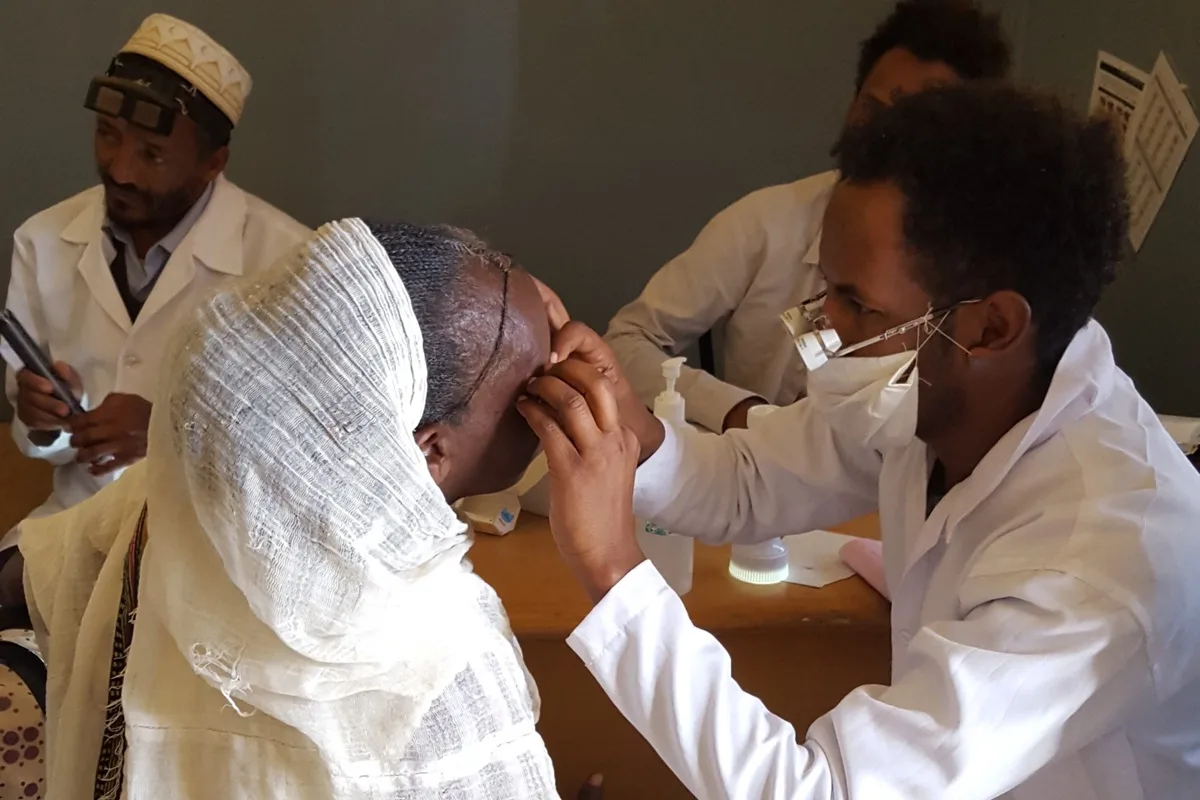
The World Health Organization announced on 16 November 2026 that it has validated Eritrea's elimination of trachoma as a public health problem. Eritrea is the 11th country in WHO's African Region and the 34th globally to get there. WHO Director-General Dr Tedros Adhanom Ghebreyesus said the country had consigned the disease to history "after two decades of determined effort".
A disease of poverty
Trachoma is the world's leading infectious cause of blindness. It is caused by the bacterium Chlamydia trachomatis and spreads through contact with eye and nasal discharge. Repeated infections scar the inner eyelid until the lashes turn inward (trichiasis), which can end in blindness. It thrives where people lack clean water, sanitation and health care.
How Eritrea did it
After baseline surveys between 2006 and 2020, Eritrea rolled out WHO's SAFE strategy: surgery for trichiasis, antibiotics to clear infection, facial cleanliness to cut transmission and environmental improvement, especially water and sanitation. All 58 sub-zobas, the country's second-level districts, were surveyed. Health workers used digital mapping to reach remote communities, and oral azithromycin was donated by Pfizer through the International Trachoma Initiative. A community-led sanitation approach delivered gains with limited outside funding, and surveillance for new trichiasis cases will continue.
The global picture
The number of people needing interventions against trachoma fell from about 1.5 billion in 2002 to under 100 million by November 2025, a drop of roughly 94%. Still, 92 million people lived in endemic areas as of March 2026, and trachoma remained a public health problem in at least 29 countries. In 2025, 98,829 people had surgery for advanced disease and 47.4 million received antibiotics.
Source: World Health Organization
This story is relayed from the source named above; responsibility for its content rests with the original source.
FAQ
When did WHO validate Eritrea's elimination of trachoma?
WHO announced on 16 November 2026 that it had validated Eritrea's elimination of trachoma as a public health problem.
What is trachoma?
Trachoma is a bacterial eye infection caused by Chlamydia trachomatis. It is the world's leading infectious cause of blindness and spreads through eye and nasal discharge.
What is the SAFE strategy against trachoma?
The SAFE strategy recommended by WHO combines surgery for trichiasis, antibiotics, facial cleanliness and environmental improvement such as water and sanitation.
How many countries have eliminated trachoma?
With Eritrea, 34 countries have eliminated trachoma as a public health problem, 11 of them in WHO's African Region.
How many people are still at risk of trachoma blindness?
As of March 2026, 92 million people lived in trachoma-endemic areas, and the disease remained a public health problem in at least 29 countries.