
FDA approves Hibsago (bepirovirsen), a first-in-class treatment that may let some hepatitis B patients stop therapy
- On 20 October 2026 the FDA approved GSK's Hibsago (bepirovirsen) injection for chronic hepatitis B.
- Bepirovirsen is the first antisense oligonucleotide approved for the disease and is given with existing antiviral therapy.
- In B-Well 1 and B-Well 2, 19% of bepirovirsen patients kept the virus under control 24 weeks after stopping all treatment, versus none on placebo.
- Hibsago carries a boxed warning for serious liver reactions and low platelet counts.
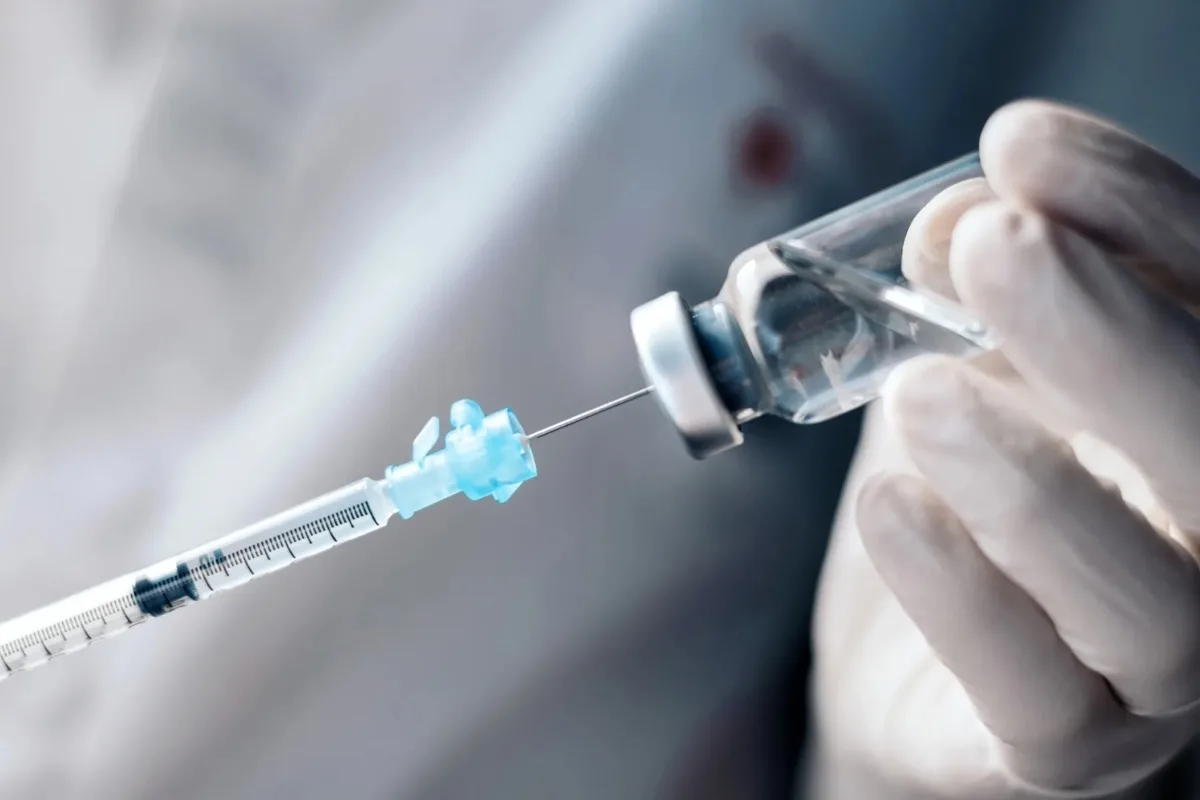
The US Food and Drug Administration approved Hibsago (bepirovirsen) injection from GSK on 20 October 2026. It is used together with existing antiviral therapy to treat chronic hepatitis B virus (HBV) infection in certain adults without cirrhosis, and it is the first antisense oligonucleotide the agency has approved for the disease.
Who it is for
The approval covers adults who have taken HBV antivirals for at least six months, have suppressed virus in the blood and have a hepatitis B surface antigen (HBsAg) level of 3,000 IU/mL or less on an FDA-authorized test. The FDA also authorized Roche's Elecsys HBsAg II quant II RxDx assay as a companion diagnostic.
How it works and what the trials showed
Bepirovirsen targets the genetic instructions the virus uses to copy itself and make its proteins, lowering both virus and surface antigen. It is injected under the skin for up to 24 weeks alongside the usual medicine, which continues for at least 24 more weeks. In the B-Well 1 and B-Well 2 trials, 24% of bepirovirsen patients met the criteria to stop their usual medicine, versus none on placebo. Twenty-four weeks after stopping all treatment, 19% still had the virus under control with undetectable HBsAg.
Warnings and limits
Hibsago carries a boxed warning for serious liver reactions and for low platelet counts that can raise bleeding risk, plus warnings for worsening kidney function and vasculitis. Patients need regular blood tests before and during treatment. The most common side effects are injection-site reactions, fever, fatigue and headache. Most treated patients did not reach lasting control of the virus.
Sources: US Food and Drug Administration (FDA), FDA — Novel Drug Approvals 2026, Healio, WebMD
This story is relayed from the source named above; responsibility for its content rests with the original source.
FAQ
What is Hibsago (bepirovirsen)?
Hibsago (bepirovirsen) is an injection from GSK and the first antisense oligonucleotide the FDA has approved for chronic hepatitis B, used together with standard antiviral therapy.
Who is eligible for bepirovirsen?
Bepirovirsen is for adults without cirrhosis who have taken HBV antivirals for at least six months, have suppressed virus and an HBsAg level of 3,000 IU/mL or less.
How many patients could stop treatment after bepirovirsen?
In the B-Well trials, 24% of bepirovirsen patients met the criteria to stop their usual medicine, and 19% kept the virus under control 24 weeks after stopping all treatment, versus none on placebo.
What are the main risks of Hibsago?
Hibsago has a boxed warning for serious liver reactions and low platelet counts, plus warnings for kidney problems and vasculitis, so patients need regular blood tests.
Does the bepirovirsen approval mean hepatitis B is cured for everyone?
No. Bepirovirsen gives lasting control of hepatitis B only in a minority of patients, and it does not prevent passing the virus to others.