
Joseph Lister and carbolic acid: how antiseptic surgery began in Glasgow
- In 1865, surgeon Joseph Lister began using carbolic acid to prevent infection in wounds at the Glasgow Royal Infirmary.
- On 12 August 1865 he treated 11-year-old James Greenlees, whose leg fracture healed without infection.
- Lister based his method on Louis Pasteur's work showing that living organisms cause putrefaction.
- His antiseptic system cut post-operative infections and earned him the title "father of modern surgery".
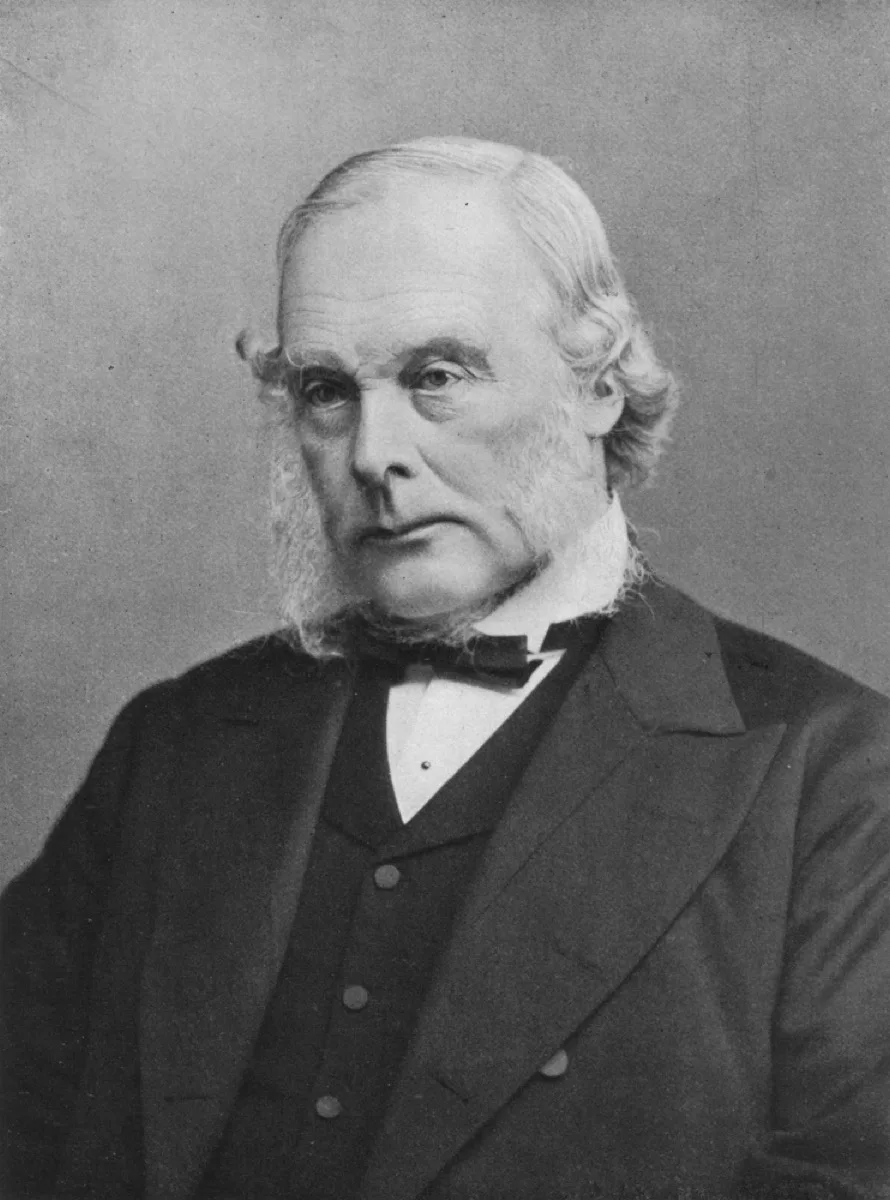
In the mid-19th century, even a successful operation could end in death from wound infection. The English surgeon Joseph Lister (1827–1912) changed this by bringing germ theory into the operating theatre.
Inspired by Pasteur
Around 1865, the Glasgow chemistry professor Thomas Anderson pointed Lister towards the research of the French chemist Louis Pasteur, who had shown that living organisms cause fermentation and putrefaction. Lister reasoned that the decay of wounds might likewise be caused by germs, and that killing them could prevent it.
Also read: Tip of the day: stop smoking at least 4 weeks before any surgery
The boy with the broken leg
At the time, amputation was the standard treatment for a compound fracture, where broken bone pierces the skin. On 12 August 1865, at the Glasgow Royal Infirmary, Lister applied lint dipped in carbolic acid to the wound of James Greenlees, an 11-year-old boy whose left leg had been run over by a cart wheel. After slightly over six weeks, the bones had fused without suppuration. An earlier attempt that March, on a patient named Neil Kelly, had not succeeded.
A new system of surgery
Lister published his results in The Lancet in five instalments beginning on 10 March 1867. He used carbolic acid, today called phenol, to sterilise instruments, patients' skin, sutures, surgeons' hands and wards. His work reduced post-operative infections and made surgery safer, which is why he is called the "father of modern surgery".
Carbolic acid is harsh on tissue and has long been replaced by gentler antiseptics and by sterile, aseptic technique. But the principle Lister proved, that preventing germs from entering a wound prevents infection, remains the foundation of every operating theatre.
Source: Wikipedia
This story is relayed from the source named above; responsibility for its content rests with the original source.
FAQ
What did Joseph Lister discover?
Joseph Lister showed that infection in wounds is caused by germs and introduced carbolic acid to sterilise wounds, instruments and hands, founding antiseptic surgery.
Who was James Greenlees?
James Greenlees was an 11-year-old boy whose compound leg fracture Lister treated with carbolic acid on 12 August 1865; the bones healed without infection.
What is carbolic acid?
Carbolic acid is the old name for phenol, the chemical Lister used as an antiseptic in surgery from 1865.
How did Louis Pasteur influence Lister?
Pasteur showed that living organisms cause fermentation and putrefaction, which led Lister to conclude that germs cause wound infection.
Why is Lister called the father of modern surgery?
Lister is called the father of modern surgery because his antiseptic methods greatly reduced post-operative infections and made surgery safer worldwide.