
Ether Day: how a Boston demonstration in 1846 made painless surgery possible
- On 16 October 1846, dentist William T. G. Morton gave ether to a patient at Massachusetts General Hospital in Boston.
- Surgeon John Collins Warren then removed a tumour from the neck of Edward Gilbert Abbott without the patient feeling pain.
- News of the demonstration spread quickly, and ether was soon used in London and elsewhere.
- The operating theatre where it happened is preserved today as the Ether Dome.
Before the 1840s, surgery meant enduring the knife fully awake. That changed in a Boston operating theatre on 16 October 1846, a date remembered as Ether Day.
A dentist's experiment
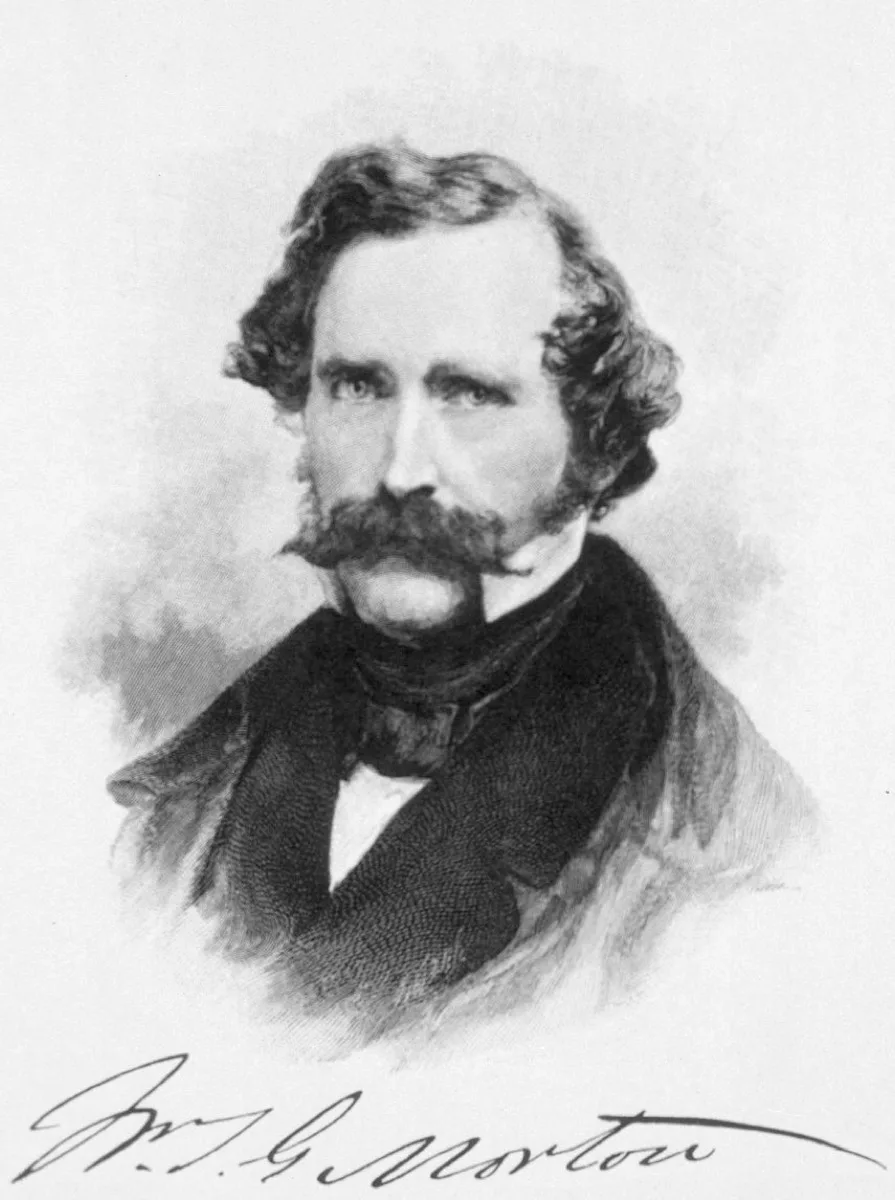
William Thomas Green Morton was an American dentist who had studied with dentist Horace Wells and attended lectures by Charles T. Jackson, who introduced him to the anaesthetic properties of ether. On 30 September 1846, Morton gave ether to a patient named Ebenezer Hopkins Frost and extracted a tooth painlessly. A favourable newspaper account caught the attention of Boston surgeon Henry Jacob Bigelow, who arranged a public demonstration.
Also read: Tip of the day: stop smoking at least 4 weeks before any surgery
The operation at Massachusetts General Hospital
On 16 October 1846, in the operating theatre of Massachusetts General Hospital, Morton administered ether to Edward Gilbert Abbott. Surgeon John Collins Warren then removed a tumour from Abbott's neck without pain. News spread rapidly: the first recorded use of ether outside the United States was a tooth extraction in London by dentist James Robinson.
A disputed legacy
Morton tried to hide the substance, calling it "Letheon", and obtained a patent a month later, although everyone soon knew it was ether. The medical community condemned the patent, and it was never enforced. Wells and Jackson also claimed credit, and Morton's request to Congress for a reward of $100,000 failed. He died in 1868.
Whatever the disputes, the demonstration won the medical world's acceptance of surgical anaesthesia. The theatre, now called the Ether Dome, is preserved as a monument. Modern anaesthesia uses far safer drugs and close monitoring, but every pain-free operation today traces back to that autumn morning in Boston.
Source: Wikipedia
This story is relayed from the source named above; responsibility for its content rests with the original source.
FAQ
What is Ether Day?
Ether Day is 16 October 1846, when ether anaesthesia was first demonstrated publicly during an operation at Massachusetts General Hospital in Boston.
Who gave the ether on Ether Day?
The ether on Ether Day was given by William T. G. Morton, an American dentist who had already used it for a painless tooth extraction in September 1846.
What operation was performed on Ether Day?
On Ether Day, surgeon John Collins Warren painlessly removed a tumour from the neck of a patient named Edward Gilbert Abbott.
What is the Ether Dome?
The Ether Dome is the operating theatre at Massachusetts General Hospital where the 1846 ether demonstration took place; it is preserved as a monument.
Why was Morton's patent on ether controversial?
Morton patented ether under the name Letheon, but doctors condemned the patent as unjust in a humane profession, and it was never enforced.