
Screening twice for STIs in pregnancy linked to fewer preterm births in randomised trial
- A trial in South Africa enrolled 2,247 pregnant women to test screening for chlamydia, gonorrhoea and trichomoniasis.
- Preterm birth occurred in 14.5% of women screened twice versus 18.8% with standard care, a 23% lower risk.
- Screening only once did not reduce preterm birth.
- About 80% of infections found caused no symptoms.
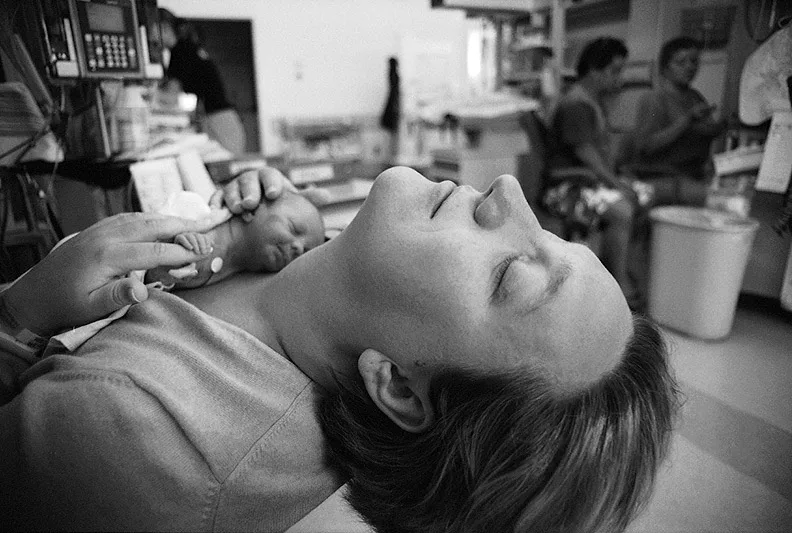
Chlamydia, gonorrhoea and trichomoniasis are common, treatable sexually transmitted infections (STIs) that have been linked to preterm birth and low birth weight. A randomised clinical trial published in Clinical Infectious Diseases by researchers from the University of Pennsylvania and the University of Southern California tested whether routine screening during pregnancy helps.
The trial
The study enrolled 2,247 pregnant women at four government clinics in South Africa. They were randomly assigned to one of three groups: screening and treatment at the first prenatal visit; screening at the first visit and again at 30 to 34 weeks; or standard care, with treatment based on symptoms.
Also read: Opt-out screening tripled chlamydia and gonorrhoea testing among teens in US primary care
The results
At the start, about 27% of participants had at least one of the three infections, and around 80% of those infections caused no symptoms. Among women screened again in the third trimester, 9.2% tested positive at that visit.
Preterm birth occurred in 14.5% of women screened twice compared with 18.8% of those receiving standard care, a 23% lower risk. Women screened only once had a rate of 18.9%, almost the same as standard care.
Limits
Screening twice did not significantly reduce the study's main combined outcome of preterm birth or low birth weight, nor low birth weight on its own, so the authors say the preterm finding needs further study. Co-lead author Dr. Andrew Medina-Marino noted that waiting for symptoms alone may miss infections that can be treated.
Source: Newswise (University of Pennsylvania)
This story is relayed from the source named above; responsibility for its content rests with the original source.
FAQ
Does STI screening in pregnancy reduce preterm birth?
In the South African trial, screening and treating pregnant women twice for STIs was linked to a 23% lower risk of preterm birth, while screening once showed no benefit.
Which infections were screened for in the pregnancy STI trial?
The pregnancy STI trial screened for chlamydia, gonorrhoea and trichomoniasis, three common and treatable sexually transmitted infections.
How many pregnant women had an STI in the trial?
About 27% of pregnant women in the trial had at least one of the three STIs at the start, and around 80% of those infections caused no symptoms.
When was the second STI screening done in the pregnancy trial?
In the pregnancy trial, the second STI screening was done between 30 and 34 weeks of pregnancy.
Did STI screening in pregnancy reduce low birth weight?
No, screening twice for STIs in pregnancy did not significantly reduce low birth weight or the combined outcome of preterm birth or low birth weight.