
First global report measures inequalities in noncommunicable diseases and their risk factors
- On 20 October 2026 WHO published State of inequality: noncommunicable diseases and their risk factors.
- The NCD inequality report covers cancer, cardiovascular disease, chronic respiratory disease and diabetes.
- In low- and middle-income countries, less educated people have higher rates of hypertension and diabetes.
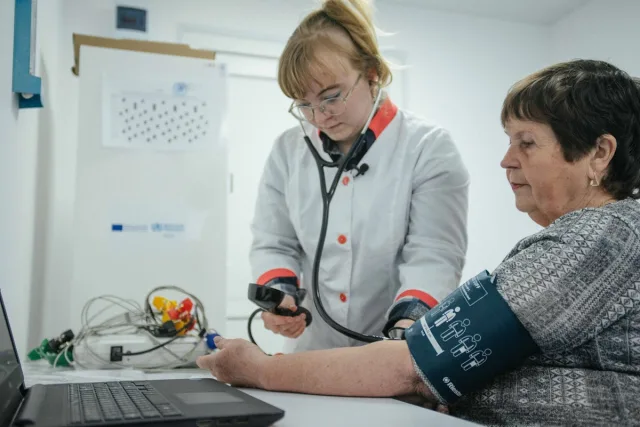
- Rural populations in many of these countries get less hypertension diagnosis and treatment than urban ones.
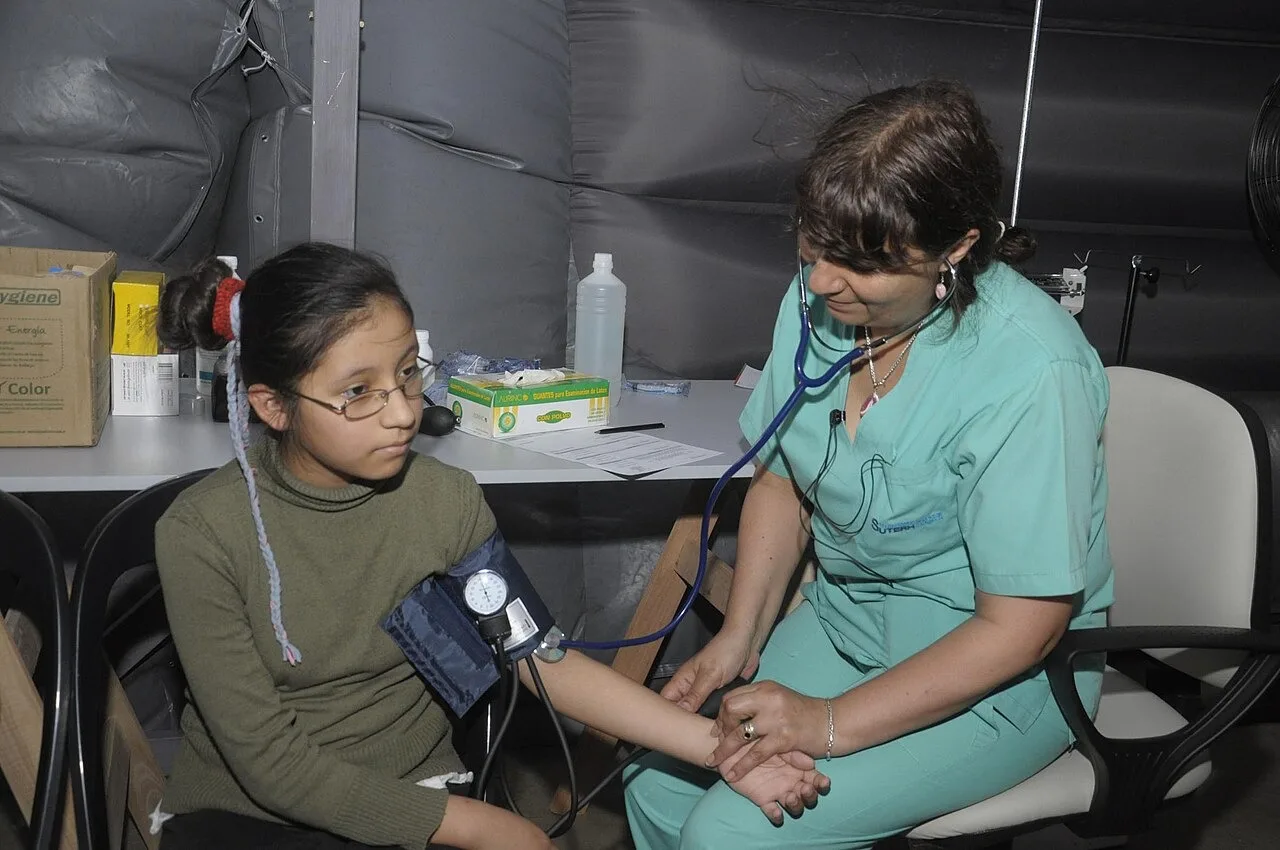
On 20 October 2026 the World Health Organization published State of inequality: noncommunicable diseases and their risk factors, the first effort to systematically measure inequalities in these diseases worldwide, looking at differences between population groups within countries.
What the report covers
It examines four major NCDs, cancer, cardiovascular diseases, chronic respiratory diseases and diabetes, and risk factors including tobacco and alcohol use, obesity and unhealthy diets, insufficient physical activity and air pollution. Using national data from the past decade, it compares groups by age, gender, income, education, place of residence, disability, employment and migration status.
Also read: New global roadmap to 2035 targets hypertension and pre-eclampsia in pregnancy
Key gaps
- In low- and middle-income countries, less educated people tend to have higher rates of hypertension and diabetes.
- Poorer and less educated women are less likely to receive cervical cancer screening.
- Rural populations have less access to hypertension diagnosis and treatment and more exposure to household air pollution.
- Men use more tobacco and alcohol and are less likely to be diagnosed and treated for hypertension, while obesity is more common among women.
- Younger adults with hypertension are less likely to be diagnosed and treated than older adults.
Why it matters
The report says inequality data can help countries target NCD prevention and care at groups being left behind. It also notes that missing data for some groups, such as people with disabilities and migrants, limits the full picture.
Source: World Health Organization
This story is relayed from the source named above; responsibility for its content rests with the original source.
FAQ
What is WHO’s report on inequalities in noncommunicable diseases?
State of inequality: noncommunicable diseases and their risk factors, published by WHO in October 2026, is the first systematic global assessment of NCD inequalities between population groups within countries.
Which diseases does the WHO NCD inequality report cover?
The WHO report covers cancer, cardiovascular diseases, chronic respiratory diseases and diabetes, along with their main risk factors.
How does education affect hypertension and diabetes risk?
The WHO report shows that in low- and middle-income countries, less educated people tend to have higher rates of hypertension and diabetes.
Does hypertension care differ between rural and urban areas?
Yes. In many low- and middle-income countries, rural populations get less hypertension diagnosis and treatment than urban populations, according to WHO.
How do men and women differ in noncommunicable disease risks?
According to the WHO report, men use more tobacco and alcohol and are less often diagnosed with hypertension, while obesity and insufficient physical activity are more common among women.