
A bean-based chewing gum cut HPV levels in saliva samples by up to 93%
- A University of Pennsylvania dental team made a chewing gum from lablab beans containing the antiviral protein FRIL.
- Gum extracts lowered HPV by 93% in saliva and 80% in oral rinse samples from head and neck cancer patients.
- A version enhanced with the peptide protegrin cut two harmful bacteria to near-undetectable levels while sparing helpful ones.
- The lab results, in Scientific Reports, have not yet been tested in people chewing the gum.
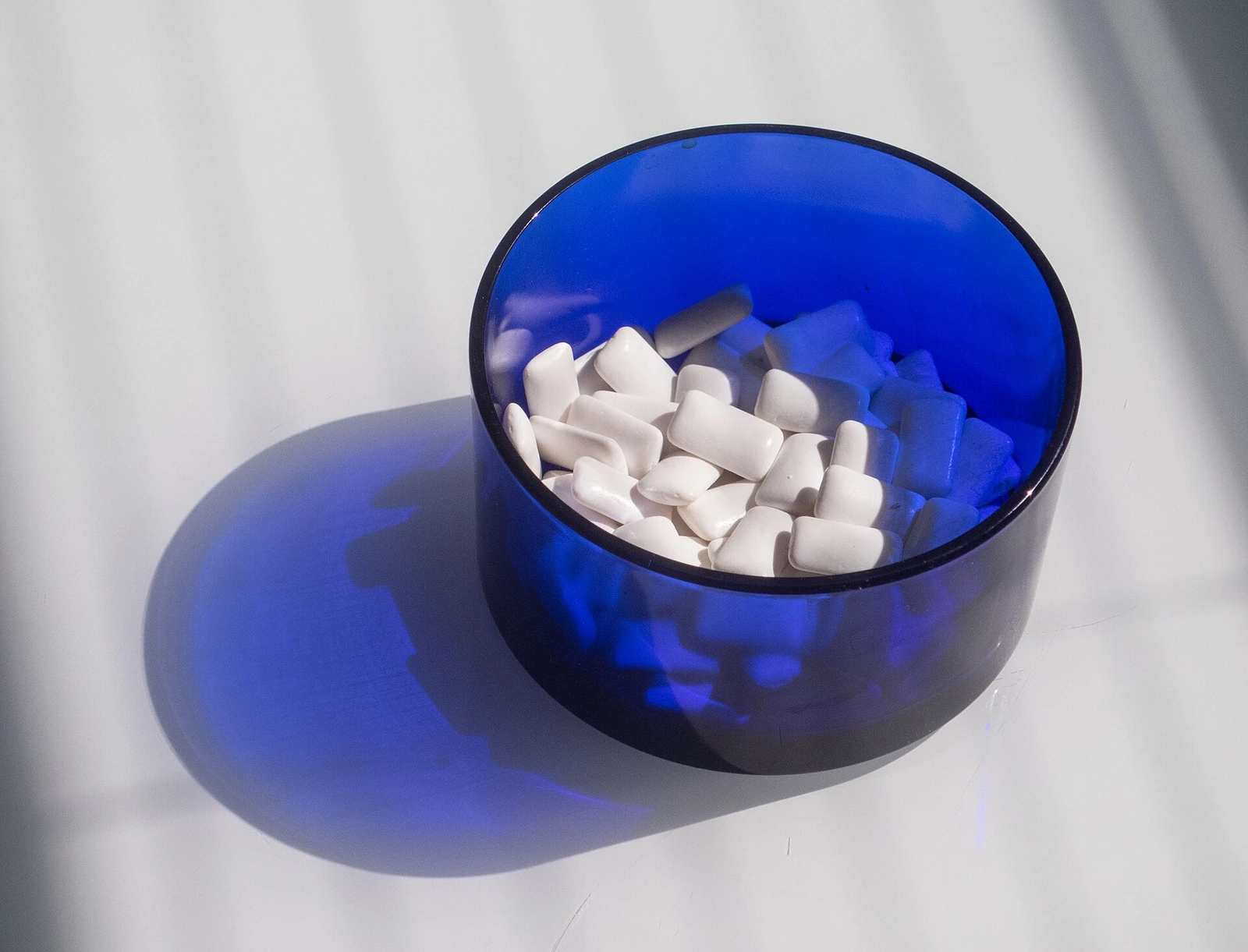
Chewing gum could one day help fight microbes linked to head and neck cancer. In a study in Scientific Reports, a team led by Henry Daniell at the University of Pennsylvania School of Dental Medicine tested a gum made from lablab beans, which contain a naturally occurring antiviral protein called FRIL.
Why these microbes
The researchers targeted three: human papillomavirus (HPV), linked to the global rise in oropharyngeal cancer affecting the tonsils and base of the tongue, and the bacteria Porphyromonas gingivalis and Fusobacterium nucleatum, associated with gum disease and worse outcomes in some oral cancer patients.
Also read: First ADA living guideline: dental exams remain key to detecting oral cancer early
The results
Testing gum extracts on oral samples from people with head and neck cancer, the team saw HPV levels fall by 93% in saliva and 80% in oral rinse samples. They then engineered the gum to carry protegrin, an antimicrobial peptide. A single dose of that extract reduced both harmful bacterial species to almost undetectable levels while leaving beneficial mouth bacteria largely unharmed.
What to keep in mind
These are laboratory results on patient samples, not a trial of people chewing the gum, so it cannot yet be said to prevent cancer. The researchers hope the plant-based approach could become an affordable aid to existing treatments. For now, daily brushing, gum care and regular dental check-ups remain the first line of defence for oral health.
Source: ScienceDaily (University of Pennsylvania)
This story is relayed from the source named above; responsibility for its content rests with the original source.
FAQ
What chewing gum did the University of Pennsylvania develop?
The University of Pennsylvania team developed a gum made from lablab beans containing the antiviral protein FRIL, plus a version enhanced with the antibacterial peptide protegrin.
How much did the gum reduce HPV?
The gum extracts reduced human papillomavirus by 93% in saliva samples and 80% in oral rinse samples from head and neck cancer patients.
Does the gum kill beneficial mouth bacteria?
No. The enhanced gum cut the harmful bacteria Pg and Fn to near-undetectable levels while largely sparing beneficial oral bacteria.
Does the gum prevent oral cancer?
It cannot yet be said that the gum prevents oral cancer, because the results come from lab tests on patient samples, not from people chewing it.
How is HPV linked to throat cancer?
Human papillomavirus is linked to the global increase in oropharyngeal cancer, which affects the tonsils and the base of the tongue.