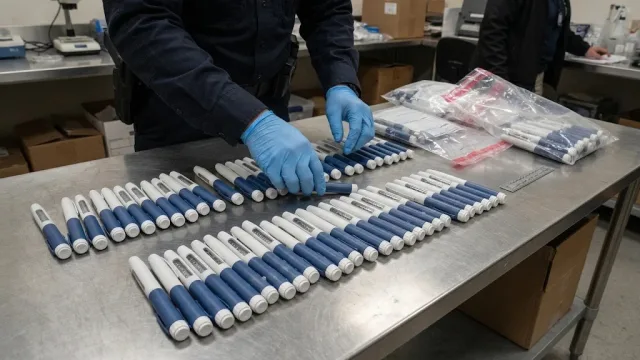

Paracelsus: "the dosage alone makes it so a thing is not a poison"
- In 1538 the Swiss physician Paracelsus wrote: all things are poison, and nothing is without poison; the dosage alone makes it so a thing is not a poison.
- Its short form, 'the dose makes the poison', became a founding principle of toxicology.
- It means harm depends on how much of a substance reaches the body, not on the substance alone.
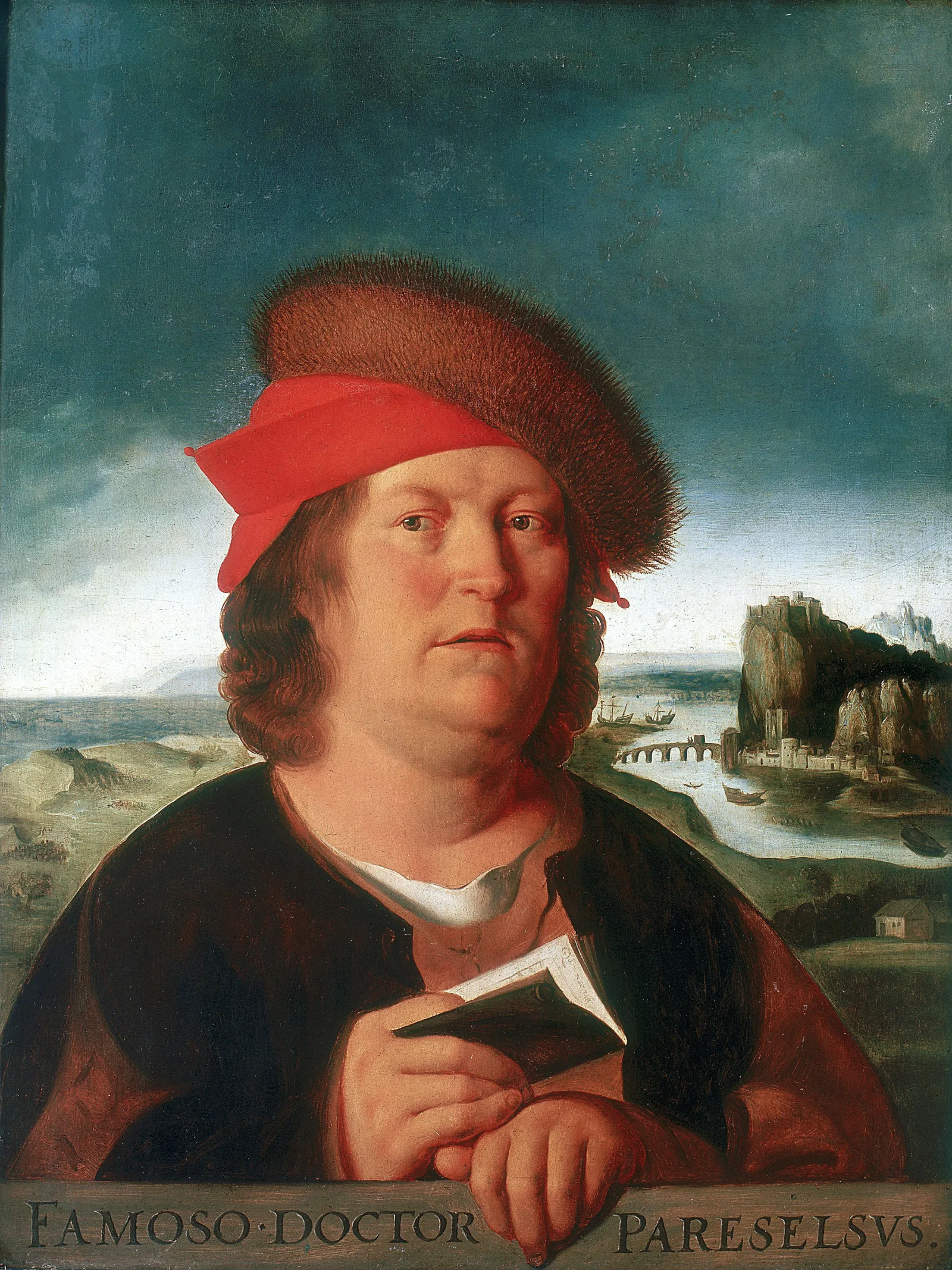
"All things are poison, and nothing is without poison; the dosage alone makes it, so a thing is not a poison."
The Swiss physician Paracelsus (1493–1541) wrote these words in 1538, in his Septem Defensiones (Seven Defences), answering critics who attacked him for using toxic substances in his remedies. The idea was later condensed into the Latin sola dosis facit venenum: the dose alone makes the poison.
Also read: EMA committee recommends Nyxoid naloxone nasal spray for opioid overdose without a prescription
Why it still matters
The principle became a cornerstone of toxicology. A substance only produces its harmful effect if it reaches the body in a high enough concentration. Even water can do harm in huge amounts, and some life-saving medicines become toxic at too high a dose. That is why doctors set doses carefully, and why patients are asked not to change them on their own.
Almost five centuries later, the sentence is still taught to medical and pharmacy students everywhere, a reminder that the line between medicine and poison is often just a number on a prescription.
Source: Wikipedia: The dose makes the poison
This story is relayed from the source named above; responsibility for its content rests with the original source.
FAQ
Who said "the dose makes the poison"?
"The dose makes the poison" comes from the Swiss physician Paracelsus, who wrote the idea in 1538 in his Septem Defensiones.
What does Paracelsus's saying about dose and poison mean?
Paracelsus's saying means that the harm of any substance depends on how much reaches the body, so anything can be toxic at a high enough dose.
Why is Paracelsus important in toxicology?
Paracelsus is important in toxicology because his principle that the dose makes the poison underpins how the safety of medicines and chemicals is assessed.