
Daraxonrasib plus chemotherapy shrank tumours in 61% of patients with advanced pancreatic cancer in an early trial
- Results presented at ENA 2026 in Barcelona tested adding the daily pill daraxonrasib to first-line chemotherapy for metastatic pancreatic cancer.
- Tumours shrank or disappeared in 60.7% of 61 patients, and disease was controlled in 90.2%.
- One-year survival was 76.6%, with a median of 12.8 months before tumours grew again.
- The trial is early and had no control group; the randomised RASolute 303 trial will decide its value.
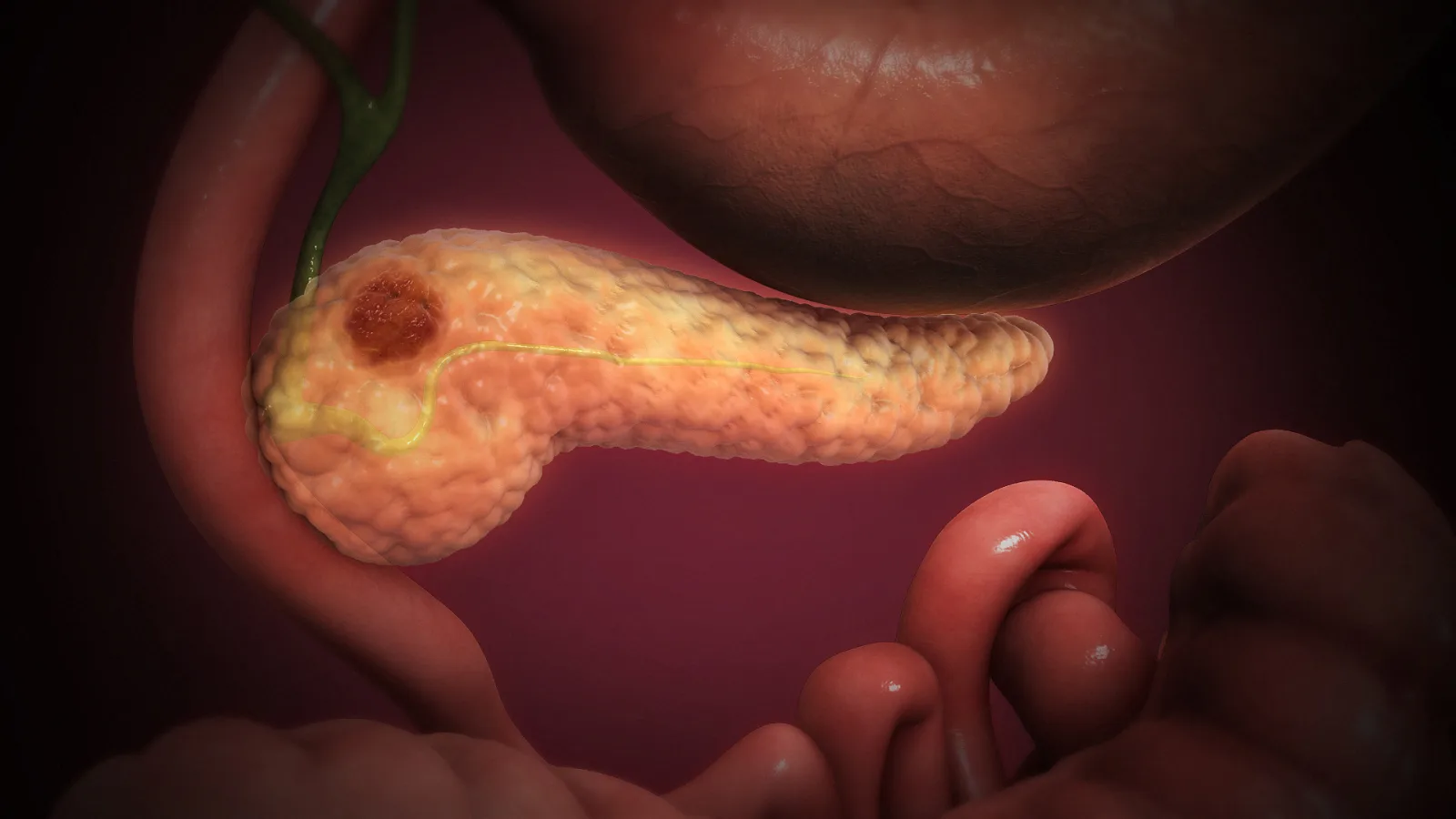
Pancreatic cancer is one of the hardest cancers to treat: most people diagnosed with metastatic disease live 8 to 11 months on standard chemotherapy. That is why results presented on 20 November 2026 at the 38th EORTC-NCI-AACR Symposium on Molecular Targets and Cancer Therapeutics (ENA 2026) in Barcelona drew so much attention. Cancer Research UK told the BBC they were "the biggest leap forward in decades" for patients.
What is the drug?
Daraxonrasib is a once-daily pill that targets mutated RAS proteins, which drive tumour growth in most pancreatic cancers. The early-phase RMC-GI-102 trial added it to gemcitabine and nab-paclitaxel as the first treatment for patients who had not been treated before.
Also read: EMA recommends daraxonrasib for metastatic pancreatic cancer after a fast-tracked phased review
Key results
- 61 patients took part, followed for a median of 18.3 months.
- Tumours shrank or disappeared in 60.7%, and became undetectable on scans in 8.2%.
- Disease was controlled in 90.2%, with a median of 12.8 months before tumours grew again.
- 76.6% of patients were alive after one year.
The most common side effects were rash, diarrhoea, fatigue and chemotherapy-related low blood counts, and only 5% stopped daraxonrasib because of them. Dr Wungki Park of Memorial Sloan Kettering Cancer Center, who presented the data, called it "a potentially transformative advance" in first-line treatment.
The limits
The study is small and early, and patients were compared with historical results rather than with a group receiving chemotherapy alone. Prof Shivan Sivakumar of the University of Birmingham noted that such comparisons are "not definitive" and that a survival benefit is not yet proven. The answer should come from the global randomised phase 3 trial, RASolute 303.
Sources: EORTC (EurekAlert!), BBC News, Science Media Centre
This story is relayed from the source named above; responsibility for its content rests with the original source.
FAQ
What is daraxonrasib?
Daraxonrasib is a once-daily oral drug that blocks mutated RAS proteins, which drive tumour growth in most pancreatic cancers.
What did daraxonrasib plus chemotherapy achieve in pancreatic cancer?
In a trial of 61 patients with metastatic pancreatic cancer, daraxonrasib plus chemotherapy shrank or cleared tumours in 60.7%, and 76.6% were alive after one year.
Is daraxonrasib a cure for pancreatic cancer?
Daraxonrasib cannot be called a cure for pancreatic cancer; follow-up is still short and doctors say longer studies are needed to know how long it controls the disease.
What are the side effects of daraxonrasib with chemotherapy?
The most common side effects of daraxonrasib with chemotherapy were rash, diarrhoea, fatigue and low blood counts, and 5% of patients stopped the drug because of them.
Which trial will confirm daraxonrasib as a first-line treatment?
The randomised phase 3 RASolute 303 trial will test daraxonrasib alone and with chemotherapy against chemotherapy alone in metastatic pancreatic cancer.