
4 November 1847: James Young Simpson's chloroform party in Edinburgh
- On 4 November 1847, Edinburgh obstetrician James Young Simpson and two assistants tested chloroform on themselves at his home in Queen Street.
- All three passed out, showing that chloroform could produce anaesthesia in humans.
- Within days Simpson used chloroform for a patient in childbirth, and the baby was delivered safely.
- Queen Victoria later used anaesthesia in childbirth, helping make pain relief in labour widely accepted.
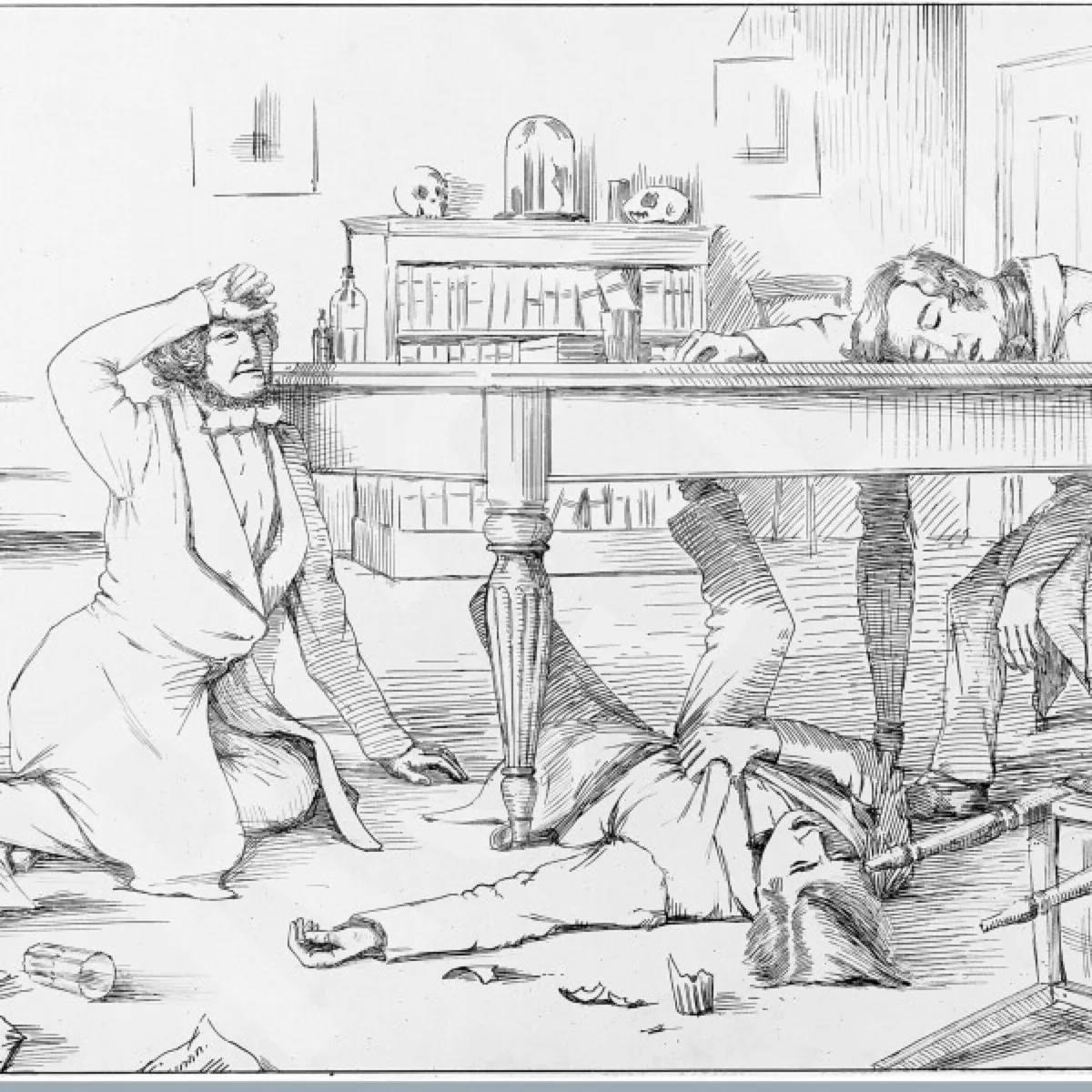
On the evening of 4 November 1847, in his house in Queen Street, Edinburgh, the obstetrician James Young Simpson carried out one of the most famous experiments in the history of medicine. After dinner, he and his assistants Dr George Keith and Dr James Matthews Duncan inhaled chloroform, a liquid suggested to Simpson by the chemist David Waldie. According to the Royal College of Surgeons of Edinburgh, Simpson and several guests passed out under the table.
Searching for a better anaesthetic
Simpson, born in Bathgate in 1811, became Professor of Midwifery at the University of Edinburgh in 1840 at just 29. In early 1847 he began using ether during childbirth, but its volatility and side effects pushed him to look for an alternative. The chloroform evening convinced him he had found it.
Also read: Ether Day: how a Boston demonstration in 1846 made painless surgery possible
A few days later he gave chloroform to a woman in labour, and the child was delivered safely. The new anaesthetics spread quickly into obstetrics and surgery. Queen Victoria herself later used anaesthesia in childbirth, which greatly increased its popularity.
Legend and caution
Historians note that accounts of the dinner party have been embellished over time, and Simpson took a real risk: chloroform is a dangerous substance, and a slightly larger dose could have been fatal. It was later largely replaced by safer agents.
Simpson's legacy goes beyond anaesthesia. He is regarded as one of the founders of gynaecology, improved obstetric forceps, and supported Sophia Jex-Blake and the Edinburgh Seven in their campaign for women to study medicine. He was made a baronet and died in 1870.
Sources: Royal College of Surgeons of Edinburgh, Wikipedia
This story is relayed from the source named above; responsibility for its content rests with the original source.
FAQ
Who discovered the anaesthetic effect of chloroform in humans?
Scottish obstetrician James Young Simpson demonstrated the anaesthetic properties of chloroform in humans in Edinburgh in November 1847.
What happened at the chloroform party on 4 November 1847?
On 4 November 1847, James Young Simpson and his assistants George Keith and James Matthews Duncan inhaled chloroform after dinner at his Edinburgh home and lost consciousness.
When did Simpson first use chloroform in childbirth?
James Young Simpson gave chloroform to a woman in labour a few days after the 4 November 1847 experiment, and the baby was delivered safely.
Did Queen Victoria use anaesthesia in childbirth?
Yes. Queen Victoria used anaesthesia during childbirth, which significantly increased the popularity of anaesthesia.
Is chloroform still used as an anaesthetic?
No. Chloroform is a dangerous substance and was later replaced by safer anaesthetic agents in modern medicine.