
Research in 27 countries sheds light on how ionising radiation affects the body
- An IAEA-coordinated research project involving 27 countries studied how biological markers can measure patients' exposure to ionising radiation.
- Researchers identified new biomarkers of the body's response to radiation and published more than 100 papers.
- The findings help identify radiosensitive people who may need specific procedures and protection.
- Some researchers showed that low-dose CT scans for lung cancer screening do not appear to damage human DNA.
An international research project coordinated by the International Atomic Energy Agency (IAEA), involving 27 countries, has strengthened global understanding of how ionising radiation affects human health. The project, MEDBIODOSE, focused on biodosimetry: using biological responses to estimate the amount of radiation a patient has received.
31 institutions from 27 countries
The IAEA launched the project in 2017 to examine biodosimetric markers in radiation oncology, nuclear medicine and diagnostic and interventional radiology. Thirty-one institutions took part, from countries including Saudi Arabia, Sudan, Brazil, China, India, Japan, Russia, Ukraine and the United Kingdom, each collecting patients' chromosomal and molecular data linked to DNA damage.
Also read: Global study: radiation doses from heart scans vary widely between countries
What the researchers found
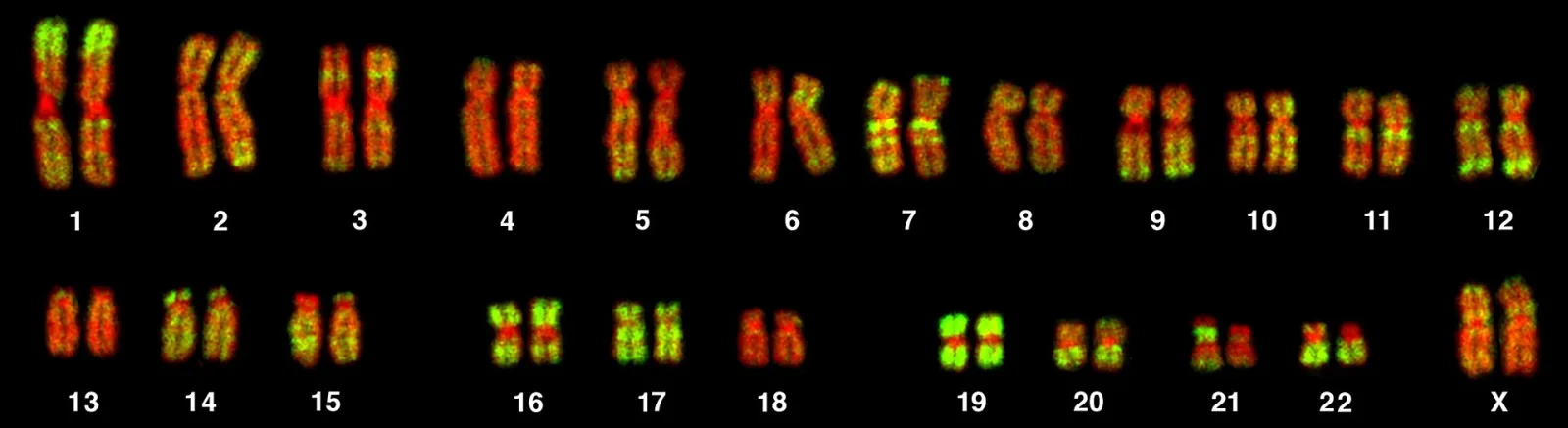
The work produced more than 100 publications. Researchers identified new biomarkers of the body's response to radiation and used them to build calibration curves for estimating absorbed dose. The project also made it possible to identify radiosensitive individuals who may need specific procedures and protection, and produced devices for rapid, sometimes automated, biomarker analysis.
Researchers showed that standard methods can detect chromosomal breaks in lymphocytes after a single CT scan, while other participants showed that low-dose CT scans used for lung cancer screening do not appear to damage human DNA, which can help address concerns about radiation-induced cancer.
Limits
The IAEA notes that knowledge gaps and methodological limitations must still be addressed before these markers can reliably inform routine clinical decisions.
Source: International Atomic Energy Agency
This story is relayed from the source named above; responsibility for its content rests with the original source.
FAQ
What is the MEDBIODOSE project?
MEDBIODOSE is an IAEA-coordinated research project, launched in 2017, on measuring patients' radiation exposure with biological markers.
How many countries took part in the IAEA radiation research?
27 countries took part through 31 institutions, including Saudi Arabia and Sudan.
Do low-dose CT scans damage DNA?
Some project researchers showed that low-dose CT scans for lung cancer screening do not appear to damage human DNA.
Why does identifying radiosensitive people matter?
Identifying radiosensitive people allows specific procedures and protection during imaging and radiotherapy.
Are radiation biomarkers ready for routine clinical use?
Not yet: the IAEA says knowledge gaps and methodological limitations must be addressed first.