
Study of 3.7 million children links radiation from medical scans to a small rise in brain tumour risk
- A JAMA study followed more than 3.7 million children in the US and Ontario, Canada, for about 12 years.
- A radiation dose equal to one head CT was linked to a 1.8-fold higher risk of brain tumour.
- That equals about 8 extra tumours per 10,000 children by age 21, so the absolute risk stays small.
- The researchers say necessary scans should not be avoided, but used judiciously at the lowest dose.
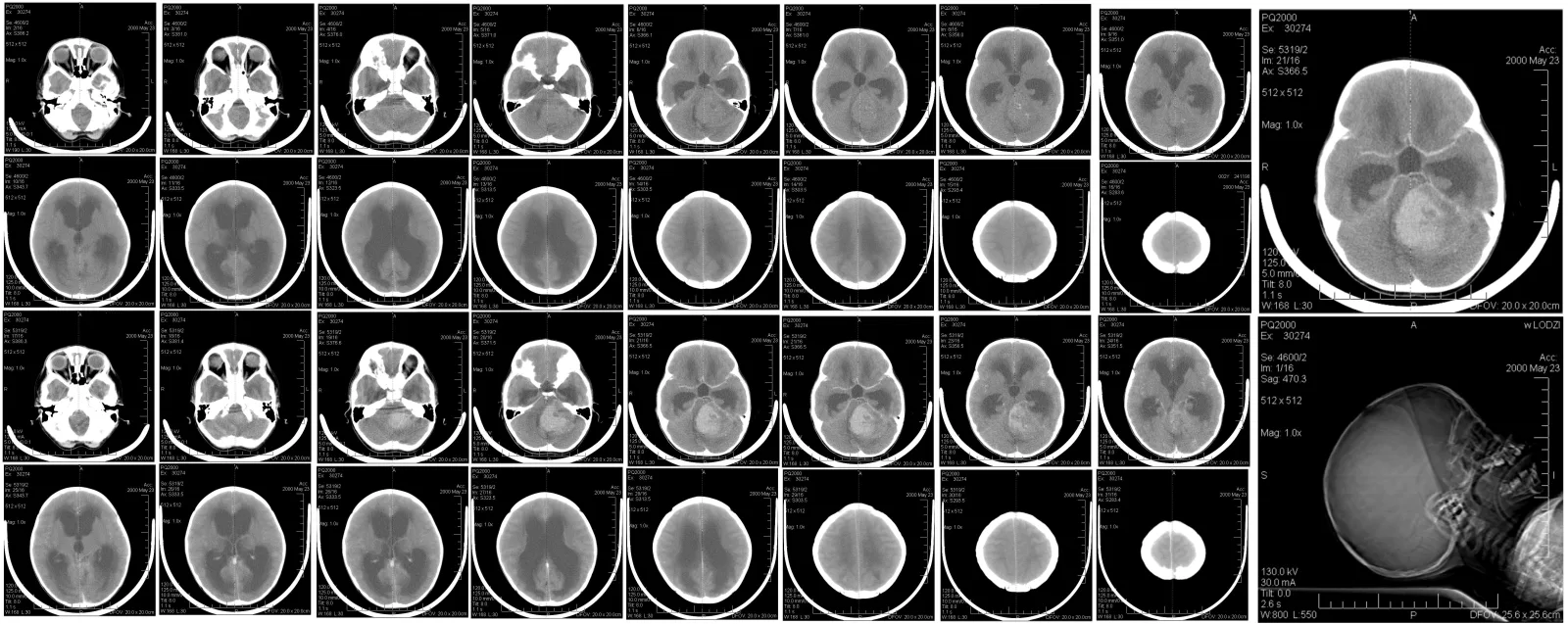
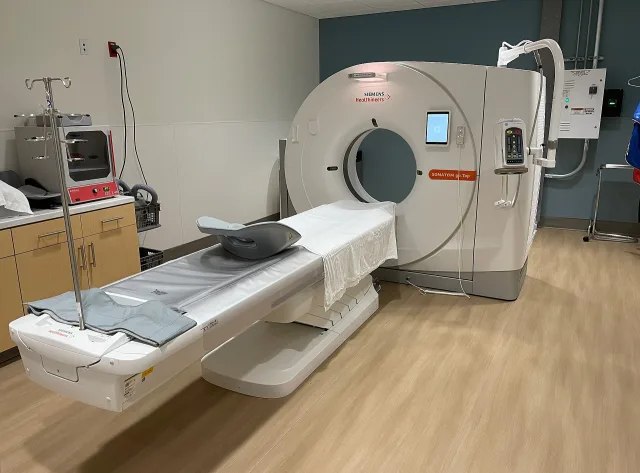
Brain tumours are the second most common childhood cancer and the leading cause of cancer death in children. In a study published on 19 November 2026 in JAMA, researchers led by UC Davis and UC San Francisco measured the cumulative radiation dose children's brains receive from medical imaging such as CT scans and X-rays.
The study
The team used electronic medical records for more than 3.7 million children in the United States and Ontario, followed from birth for an average of 12.3 years. During that time 1,536 brain tumours were diagnosed, 82.5% of them aggressive types.
Also read: First global indicators launched to track extreme heat harm to pregnant women, newborns and children
Key findings
- A dose equal to one head CT was associated with a 1.8-fold higher risk of brain tumour.
- That equals about 8 extra tumours per 10,000 children by age 21, or one extra tumour for every 1,266 head CT scans.
- The link was stronger for aggressive tumours.
- The researchers estimated that 10.1% of brain tumours in children and adolescents may be attributable to imaging radiation.
How to read the numbers
First author Dr Diana Miglioretti stressed that the findings "do not mean that parents should avoid getting their children medically necessary imaging" and that the risk remains small. Senior author Dr Rebecca Smith-Bindman said head CT is invaluable in settings such as bleeding after severe trauma, but is overused. The authors call for every radiation-based exam to be clinically justified and performed at the lowest dose that still answers the question. The study is observational, so it shows an association rather than proven cause, and doses were estimated from medical records.
Sources: UC Davis Health, EurekAlert! (UC Davis Health)
This story is relayed from the source named above; responsibility for its content rests with the original source.
FAQ
Do CT scans raise the risk of brain tumours in children?
In the JAMA study, a dose equal to one head CT was linked to a 1.8-fold higher risk of brain tumours in children, though the absolute risk remains small.
How large is the extra risk from a child's head CT?
The extra risk from a child's head CT is about one additional brain tumour per 1,266 scans, or 8 per 10,000 children by age 21.
Should children avoid CT scans?
Children should not avoid necessary CT scans; the researchers say each scan should have a clear medical reason and use the lowest effective dose.
How many children were in the JAMA imaging and brain tumour study?
The JAMA imaging and brain tumour study included more than 3.7 million children in the US and Ontario, followed for an average of 12.3 years.
What share of childhood brain tumours is linked to medical imaging?
The JAMA researchers estimated that 10.1% of brain tumours in children and adolescents may be attributable to radiation from medical imaging.