
William Osler: "To study the phenomena of disease without books is to sail an uncharted sea"
- William Osler said: To study the phenomena of disease without books is to sail an uncharted sea, while to study books without patients is not to go to sea at all.
- The line comes from his address "Books and Men" at the Boston Medical Library in 1901.
- It sums up his approach to medical teaching, combining reading with learning at the bedside.
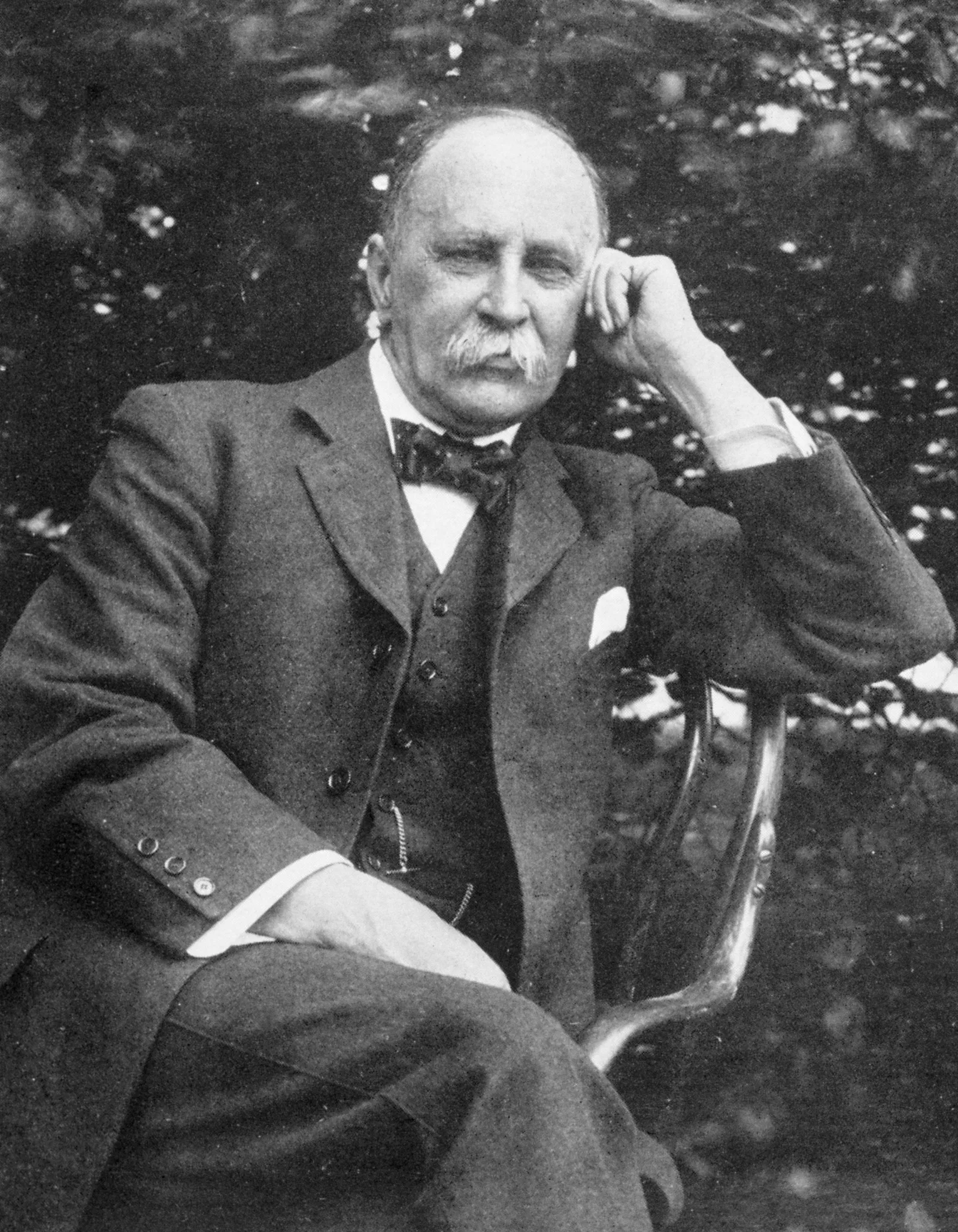
"To study the phenomena of disease without books is to sail an uncharted sea, while to study books without patients is not to go to sea at all."
The Canadian physician William Osler (1849–1919) spoke these words in "Books and Men", an address at the Boston Medical Library in 1901, later published in his collection Aequanimitas. Osler was one of the "Big Four" founding professors of Johns Hopkins Hospital, created the first residency programme for specialty training, and is often called the father of modern medicine.
Also read: Hippocrates: "Life is short, and Art long"
What it means
Osler believed a doctor needs two things, and neither can replace the other: recorded knowledge built up over generations, which serves as the chart, and experience at the bedside, which is the voyage itself. A doctor who treats patients without reading is lost without a guide, while one who only reads and never examines patients has not really practised medicine at all.
That is why Osler made bedside teaching central to medical education, while remaining a lifelong lover of books and a champion of medical libraries.
Sources: William Osler, Aequanimitas (1906), Internet Archive, Wikiquote
This story is relayed from the source named above; responsibility for its content rests with the original source.
FAQ
Who said "to study the phenomena of disease without books is to sail an uncharted sea"?
The Canadian physician William Osler said it in his address "Books and Men" at the Boston Medical Library in 1901.
What does Osler's quote about books and patients mean?
Osler's quote means a doctor needs both recorded knowledge and bedside experience, and neither can replace the other.
Who was William Osler?
William Osler (1849–1919) was a Canadian physician, one of the four founding professors of Johns Hopkins Hospital, who created the first specialty residency programme.