AI finds a hidden signal in ordinary ECGs that flags risk of sudden cardiac death
- UC Berkeley researchers trained an AI system on more than 440,000 ECGs from Sweden.
- It was tested on patient records from the United States and Taiwan.
- It identified a group with a 7% annual sudden cardiac death rate, versus 4.6% with conventional criteria.
- Published in Nature, it could one day help decide who needs an implanted defibrillator.
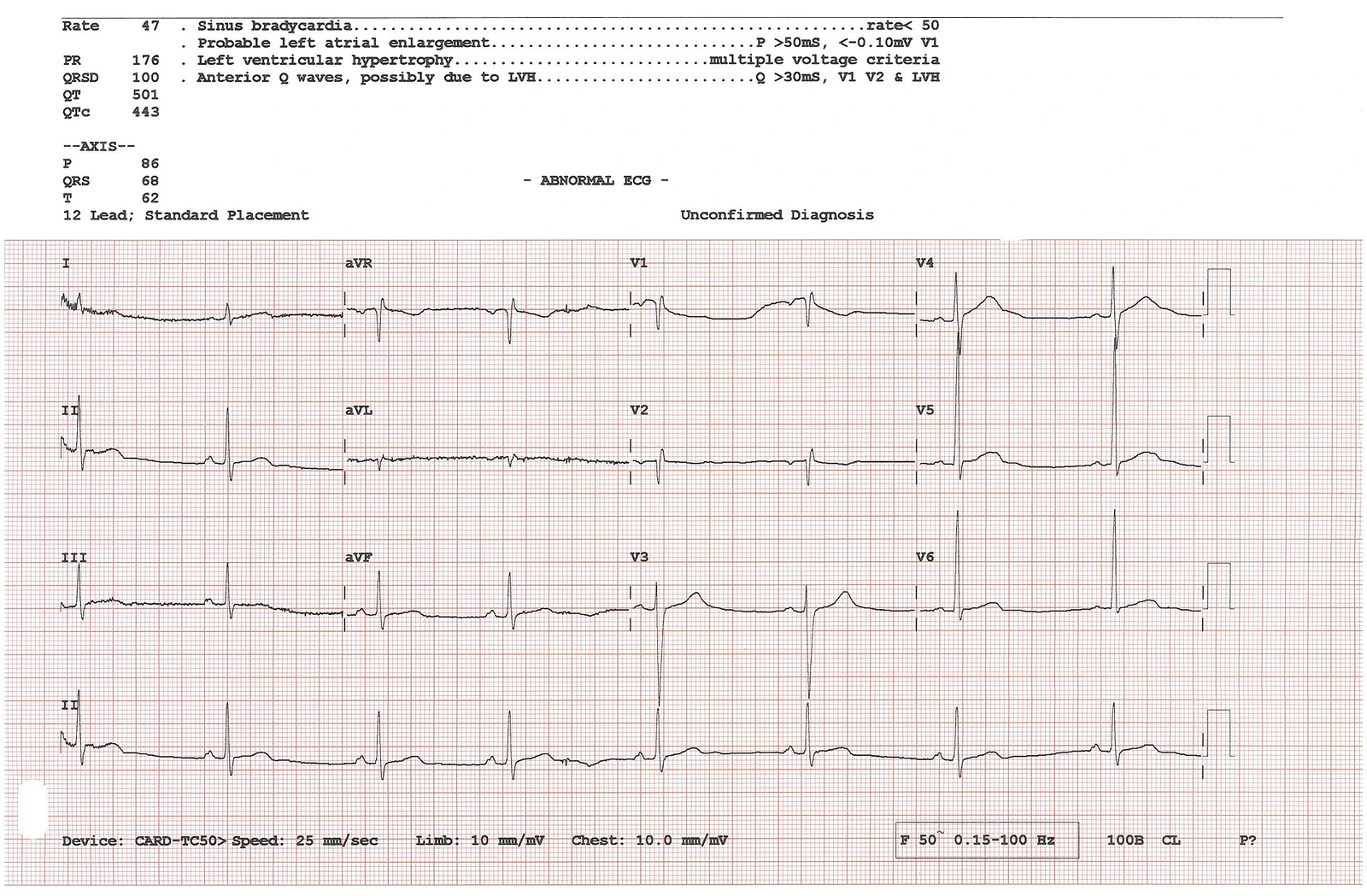
Sudden cardiac arrest happens when the heart's electrical system fails and it stops pumping. It can strike older people with known heart disease and apparently healthy young athletes alike. Implanted defibrillators can prevent some deaths, but working out who needs one has long been difficult.
What the researchers did
A UC Berkeley team trained an AI system on more than 440,000 electrocardiograms collected in Sweden, linking them to death certificates so it could learn subtle differences between healthy people, patients with known heart risks and those who later died suddenly from cardiac causes. They then tested it on thousands more records from the United States and Taiwan. The results are published in Nature.
Also read: On this day in 2004: Ancel Keys dies at 100, the scientist who linked diet to heart disease
The results
Current screening relies mainly on how much blood the heart pumps with each beat, which picks out a group with an annual sudden cardiac death rate of 4.6%. The AI identified a group with a rate of 7% a year, separating the highest-risk patients more sharply, and also flagged thousands of at-risk people who would normally be judged low risk.
Why it matters
The system works on ordinary ECG images that hospitals already record, so no new test is needed. It remains a research tool, and lead author Ziad Obermeyer says the next question is what changes inside the heart produce the patterns the AI has learned to spot.
Source: ScienceDaily (UC Berkeley)
This story is relayed from the source named above; responsibility for its content rests with the original source.
FAQ
What is the difference between sudden cardiac arrest and a heart attack?
Sudden cardiac arrest is an electrical failure that stops the heart pumping, while a heart attack is a blockage of blood flow to part of the heart muscle.
How many ECGs was the Berkeley AI trained on?
The UC Berkeley AI system was trained on more than 440,000 electrocardiograms collected in Sweden.
Is AI better than standard methods at predicting sudden cardiac death?
The Berkeley AI identified a group with a 7% annual sudden death rate versus 4.6% using standard criteria, showing sharper risk discrimination.
Does the AI system need a new kind of test?
No. The AI system works on the ordinary ECG images that hospitals already record routinely.