
Ignaz Semmelweis, the doctor who saved mothers by washing his hands and was mocked for it
- Ignaz Semmelweis (1818–1865) was a Hungarian obstetrician later called the saviour of mothers.
- In Vienna in 1847, Semmelweis realised that doctors' hands carried childbed fever from the autopsy room.
- Semmelweis made staff wash their hands in a chlorine solution, and maternal deaths on his ward fell sharply.
- Most doctors of his time rejected the idea; the work of Pasteur and Lister vindicated him after his death.
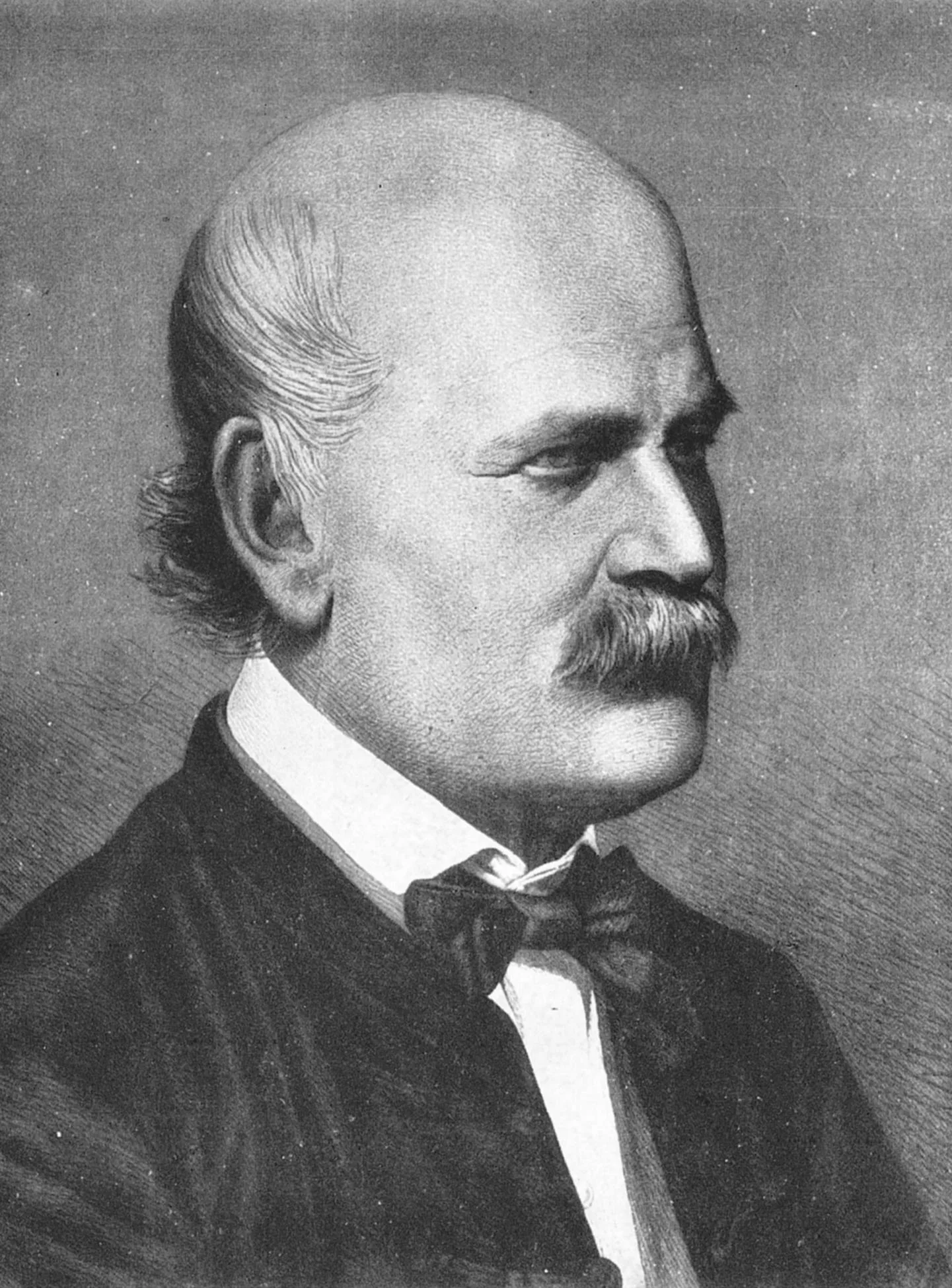
In the 1840s, giving birth in one of Europe's finest hospitals could be deadly. At the Vienna General Hospital, the First Obstetric Clinic, staffed by doctors and medical students, lost around 10% of mothers to childbed fever, while the Second Clinic, run by midwives, had far fewer deaths. The puzzle obsessed a young Hungarian doctor, Ignaz Semmelweis, born in Buda in 1818.
A colleague's death reveals the cause
In 1847 his colleague Jakob Kolletschka was cut during an autopsy and died with symptoms much like childbed fever. Semmelweis concluded that doctors were carrying "cadaverous particles" from the dissecting room to women in labour. He ordered everyone to wash their hands in a chlorinated lime solution before examining patients, and within months deaths on his ward fell dramatically.
Right too early
Germ theory did not yet exist, and many doctors refused to accept that their own hands caused disease. Semmelweis returned to Hungary and published his book on childbed fever in 1861, but the rejection wore him down. He was committed to an asylum near Vienna and died there on 13 August 1865, aged 47. Within a few years, the work of Pasteur and Lister proved him right.
Budapest's leading medical university now bears his name, and the World Health Organization counts hand hygiene among the simplest and most effective ways to prevent infections in healthcare. It is the same logic behind the reminder that antibiotics do not cure colds and flu: preventing infection beats treating it.
Sources: Wikipedia, World Health Organization
This story is relayed from the source named above; responsibility for its content rests with the original source.
FAQ
Who was Ignaz Semmelweis?
Ignaz Semmelweis was a Hungarian obstetrician (1818–1865) who showed that handwashing by doctors prevents childbed fever, earning the title saviour of mothers.
What is childbed fever?
Childbed fever, or puerperal fever, is a bacterial infection after childbirth that was a leading cause of maternal death in 19th-century hospitals.
How did Ignaz Semmelweis cut maternal deaths?
Ignaz Semmelweis cut maternal deaths in 1847 by requiring doctors and students to wash their hands in chlorinated lime solution before examining women.
Why was Ignaz Semmelweis rejected?
Doctors rejected Ignaz Semmelweis because germ theory was not yet known and his idea implied that physicians themselves were spreading the disease.
Why does Ignaz Semmelweis matter today?
Ignaz Semmelweis's handwashing experiment is the origin of hospital hand-hygiene programmes, which the WHO counts among the most effective infection-prevention measures.