
Alexander Fleming in 1945: "The time may come when penicillin can be bought by anyone in the shops"
- In his 1945 Nobel lecture, penicillin's discoverer Alexander Fleming warned about its misuse.
- He predicted people would underdose themselves and expose microbes to non-lethal amounts, making them resistant.
- Eight decades later, antibiotic resistance is one of the gravest threats to global health.
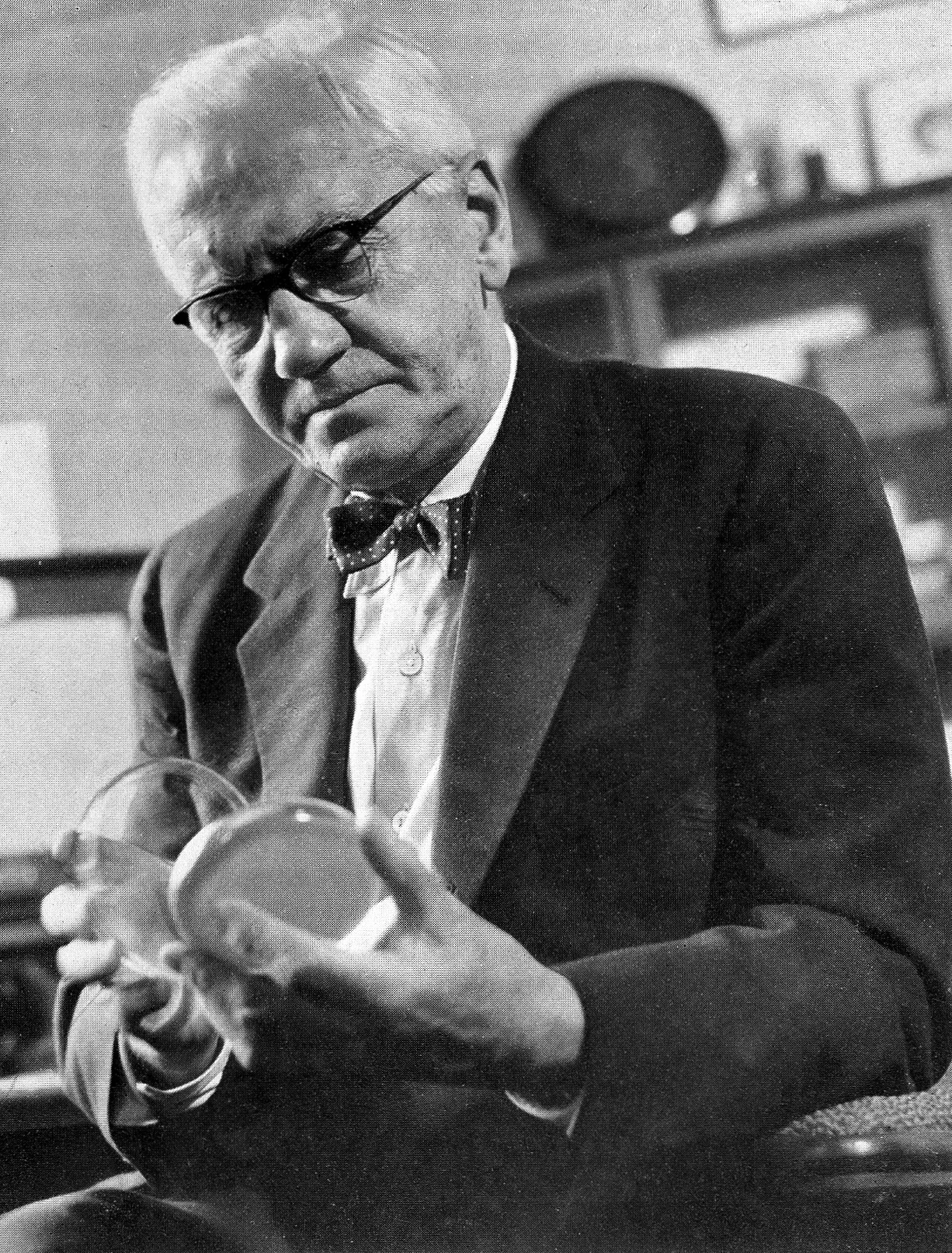
"The time may come when penicillin can be bought by anyone in the shops. Then there is the danger that the ignorant man may easily underdose himself and by exposing his microbes to non-lethal quantities of the drug make them resistant."
Alexander Fleming, who discovered penicillin, spoke these words in his Nobel lecture on 11 December 1945, only a few years after the drug came into wide use.
Also read: From a mouldy dish to a Nobel Prize: the discovery of penicillin
A prophecy fulfilled
In the same lecture Fleming gave a hypothetical example: Mr X has a sore throat, buys penicillin and takes "not enough to kill the streptococci but enough to educate them to resist penicillin". He then infects his wife, who develops pneumonia that penicillin can no longer cure.
Eighty years on, antimicrobial resistance is one of the most serious threats to global health that WHO warns about. Fleming's lesson, given before the problem existed, still holds: no antibiotics without a prescription, and no stopping a course early.
Source: NobelPrize.org: Fleming Nobel Lecture (1945)
This story is relayed from the source named above; responsibility for its content rests with the original source.
FAQ
What did Fleming say about penicillin resistance?
In his 1945 Nobel lecture, Alexander Fleming warned that underdosing with penicillin exposes microbes to non-lethal amounts and makes them resistant.
When did Fleming give his Nobel lecture?
Alexander Fleming gave his Nobel lecture on 11 December 1945 after winning the Nobel Prize in Physiology or Medicine for penicillin.
Did Fleming's warning come true?
Yes. Antimicrobial resistance is now one of the most serious threats to global health, according to WHO.