
Ultrasound study finds breast implant flipping in one in eight patients
- A US study in the Aesthetic Surgery Journal found silicone breast implant flipping in 12.7% of patients.
- The implant flipping study scanned 590 patients at 7 sites with high-resolution ultrasound.
- Implant flipping was linked to larger implants, prepectoral placement and poor soft-tissue support.
- The researchers say in-office ultrasound improves detection of implant flipping and surgical planning.
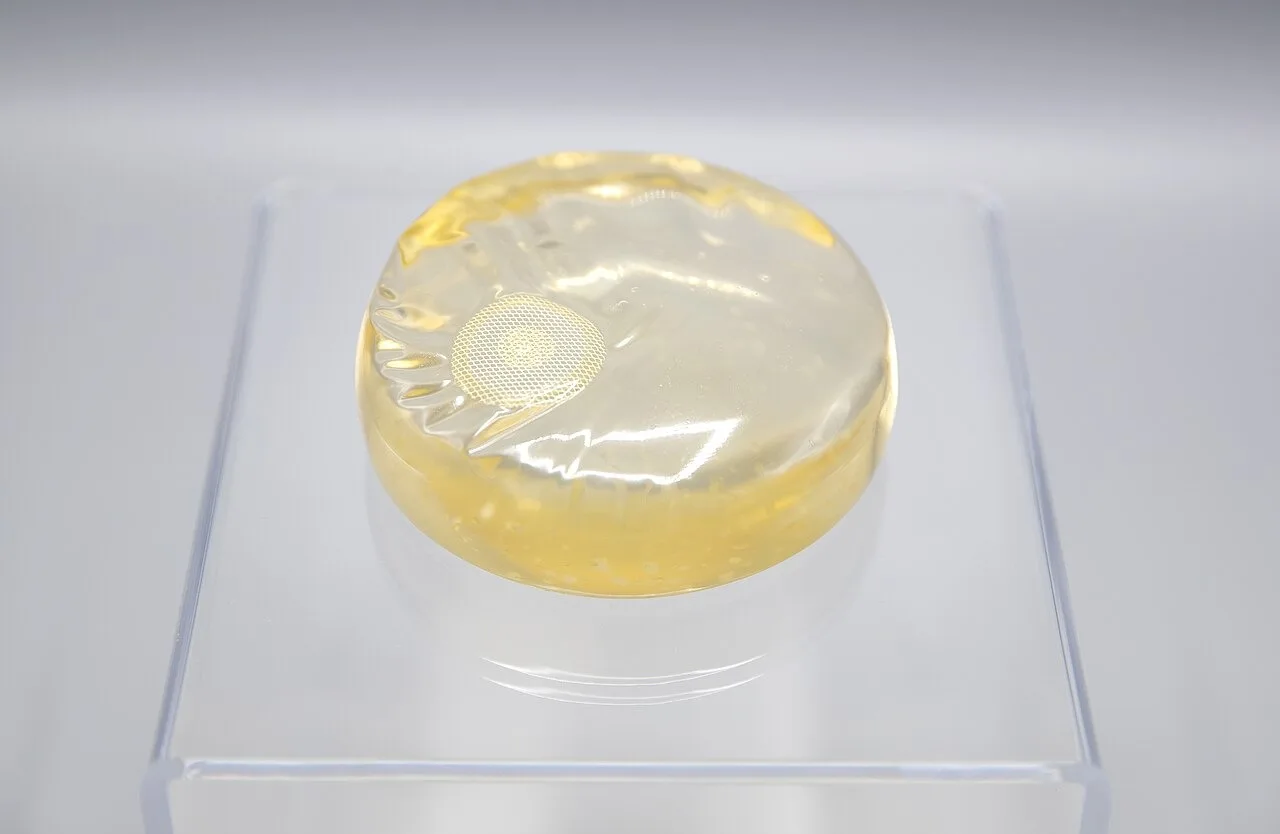
Silicone breast implants have a domed front and a relatively flat back. Sometimes an implant rotates so the back faces forward, a malposition known as implant flipping. A prospective study published in the Aesthetic Surgery Journal on 16 October 2026 is described as the first to measure how common this is in aesthetic patients.
The study
590 consecutive patients with silicone implants had in-office high-resolution ultrasound during routine follow-up at 7 US sites between April and August 2026. Their mean age was 43; 64.6% had primary augmentations and 35.4% revisions. Implants came from four manufacturers: Allergan (63.9%), Motiva (15.9%), Mentor (12.4%) and Sientra (7.1%).
Also read: Plastic surgery statistics 2025: lifts lead growth and facial fat grafting rises 39%
Findings
- Flipping was found in 75 patients (12.7%), about one in eight.
- Three factors were independently linked to flipping: larger implant volume, prepectoral placement (above the chest muscle) and lack of soft-tissue support.
What it means
The researchers say in-office ultrasound improves detection, patient counselling and surgical planning. The study only included patients attending follow-up at US clinics over four months, so it may not represent everyone with implants.
Source: Aesthetic Surgery Journal via PubMed
This story is relayed from the source named above; responsibility for its content rests with the original source.
FAQ
What is breast implant flipping?
Breast implant flipping is when a silicone implant rotates so that its flat back surface faces forward.
How common was breast implant flipping in the Aesthetic Surgery Journal study?
The study found breast implant flipping in 75 of 590 patients, or 12.7%, about one in eight.
What are the risk factors for breast implant flipping?
Breast implant flipping was linked to larger implant volume, prepectoral placement and lack of soft-tissue support.
How was breast implant flipping detected in the study?
Breast implant flipping was detected with in-office high-resolution ultrasound during routine follow-up visits.
Where was the breast implant flipping study done?
The breast implant flipping study was done at 7 sites in the United States between April and August 2026.