
GLP-1 drugs linked to delayed wound healing after aesthetic and body-contouring surgery, review of 29,000 patients finds
- A systematic review in Plastic and Reconstructive Surgery pooled 12 studies with 29,357 patients.
- GLP-1 drug use was associated with more delayed wound healing and hypertrophic scarring after aesthetic and body-contouring surgery.
- GLP-1 users had fewer seromas than patients who had previously had bariatric surgery.
- The evidence is observational, and the authors call for prospective studies.

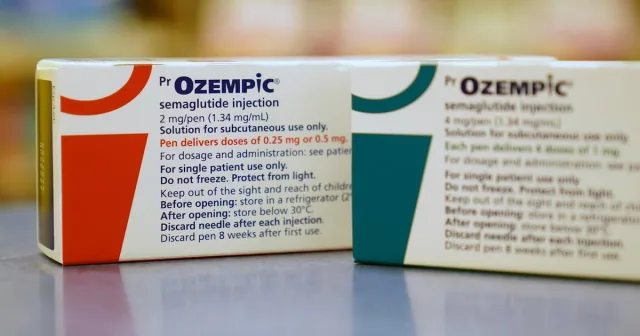
As GLP-1 receptor agonists such as semaglutide become widely used for weight loss, more patients are seeking body-contouring surgery afterwards. Their effect on healing after surgery has been unclear. A systematic review and meta-analysis published in Plastic and Reconstructive Surgery on 15 October 2026 set out to answer that question.
How the review was done
The team searched medical databases up to May 2026 and identified 12 studies with 29,357 patients, 10 of which were pooled statistically. They compared patients with and without GLP-1 exposure for infection, wound breakdown, delayed healing, hypertrophic scarring, seroma, haematoma and venous blood clots.
Also read: Ultrasound study finds breast implant flipping in one in eight patients
What they found
- GLP-1 use was associated with a higher risk of delayed wound healing.
- It was also associated with more hypertrophic (raised) scarring.
- Compared with patients who had previously had bariatric surgery, GLP-1 users had lower rates of seroma (fluid collection under the skin).
Limits
All included studies were observational, so the findings show association rather than proven cause. The authors say prospective studies are needed to clarify how these drugs affect the period around surgery and to guide patient selection.
Source: Plastic and Reconstructive Surgery via PubMed
This story is relayed from the source named above; responsibility for its content rests with the original source.
FAQ
What did the Plastic and Reconstructive Surgery review find about GLP-1 drugs?
The review found GLP-1 drug use was associated with higher risks of delayed wound healing and hypertrophic scarring after aesthetic and body-contouring surgery.
How many patients were in the GLP-1 body-contouring review?
The review included 12 studies with 29,357 patients, 10 of which were pooled in the meta-analysis.
Do GLP-1 drugs increase seroma after body contouring?
No. GLP-1 users had lower seroma rates than patients who had previously undergone bariatric surgery.
Did the GLP-1 review prove the drugs cause delayed healing?
No. The included studies were observational and show an association, not proven causation; the authors call for prospective studies.
Which drugs does the GLP-1 surgery review refer to?
The review refers to GLP-1 receptor agonists used for weight loss, such as semaglutide.