
Tranexamic acid in facelift surgery did not raise complications in 1,036-patient study
- An Aesthetic Surgery Journal study compared 1,036 face-and-neck-lift patients with or without tranexamic acid.
- Tranexamic acid mixed with local anaesthetic was not linked to more ischaemic or systemic complications.
- No permanent nerve paralysis occurred in the tranexamic acid study.
- The tranexamic acid study was retrospective and from a single surgeon, so wider confirmation is needed.
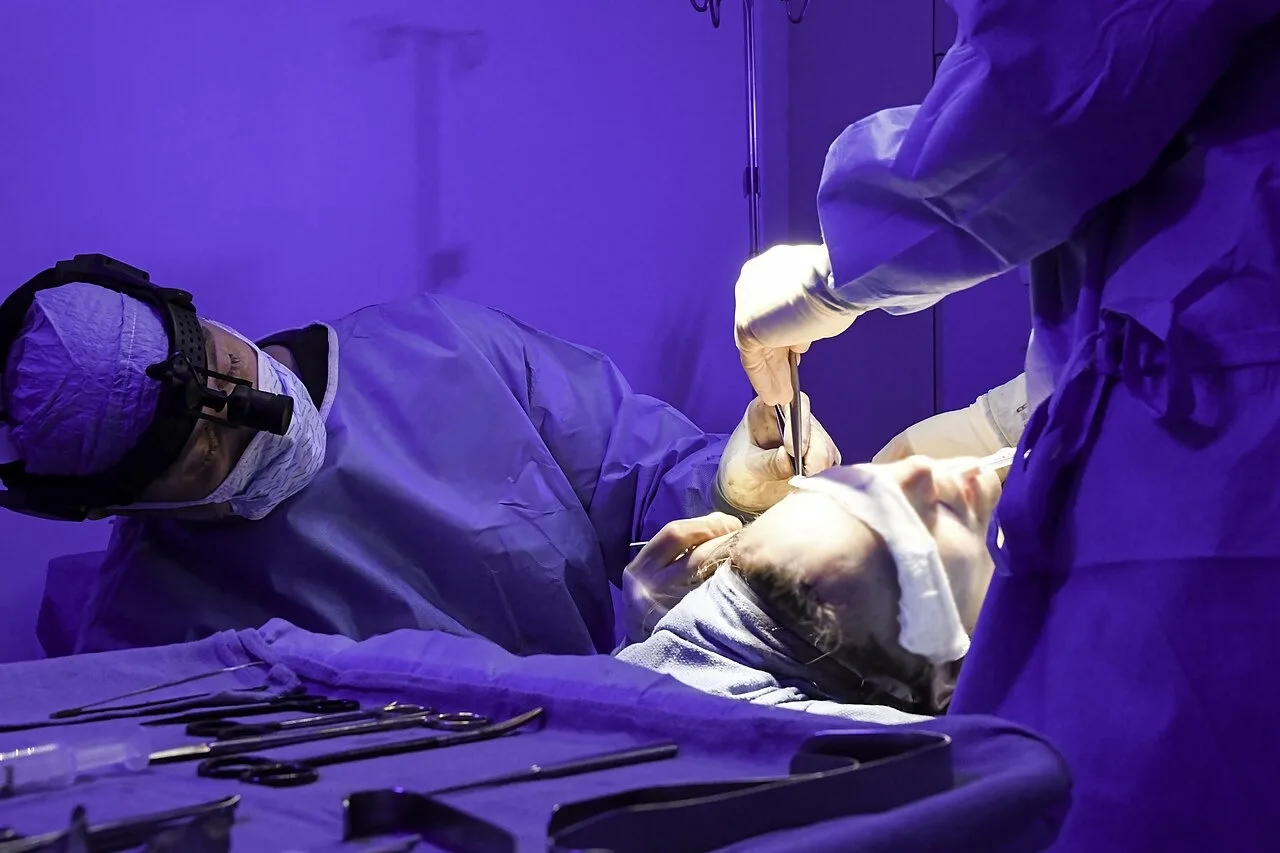
Tranexamic acid (TXA) is used in facelifts to reduce bleeding during and after surgery, lessen bruising and shorten time to drain removal. Concerns remain about effects on skin blood supply and systemic complications. A study published in the Aesthetic Surgery Journal on 6 October 2026 examined its safety.
Study design
Researchers reviewed one surgeon's patients who had combined face and neck lifts under intravenous sedation between 2012 and 2025: 1,036 patients, 556 of whom received TXA mixed into the local anaesthetic and 480 who did not. TXA was used at fixed concentrations of 9.1 mg/mL for incision infiltration and 0.8 mg/mL in tumescent solution, averaging 582.6 mg per case.
Also read: Plastic surgery statistics 2025: lifts lead growth and facial fat grafting rises 39%
Findings
- TXA was not associated with more minor or major ischaemic events.
- There was no increase in systemic complications.
- Mild flap blood-supply stress needing topical nitroglycerin occurred at similar rates in both groups.
- No cases of permanent nerve paralysis were seen.
Limits
The study was retrospective and reflects one surgeon's technique and a defined dosing protocol, so its results may not apply to other doses or routes of administration.
Source: Aesthetic Surgery Journal via PubMed
This story is relayed from the source named above; responsibility for its content rests with the original source.
FAQ
Why is tranexamic acid used in facelift surgery?
Tranexamic acid is used in facelifts to reduce bleeding and bruising and to shorten time to drain removal.
Did tranexamic acid increase facelift complications in the Aesthetic Surgery Journal study?
No. Tranexamic acid mixed with local anaesthetic was not associated with more ischaemic or systemic complications.
How many patients were in the tranexamic acid facelift study?
The study included 1,036 patients: 556 received tranexamic acid and 480 did not.
What tranexamic acid dose was used in the facelift study?
The average total tranexamic acid dose was 582.6 mg per case, at 9.1 mg/mL in incisions and 0.8 mg/mL in tumescent solution.
What are the limits of the tranexamic acid facelift study?
The tranexamic acid study was retrospective, from a single surgeon with a defined dosing protocol, so results may not apply to other methods.