
A toothbrush that makes electricity as you brush to kill bacteria behind decay and gum disease
- Chinese researchers have built a toothbrush with PVDF bristles that generate electrical charges as they bend.
- The charges release reactive oxygen species that kill bacteria and break up plaque.
- A 3-month trial in 115 adults found better plaque control and less gum inflammation and bleeding than with nylon brushes.
- The study is in Science Advances, and experts say larger studies are still needed.
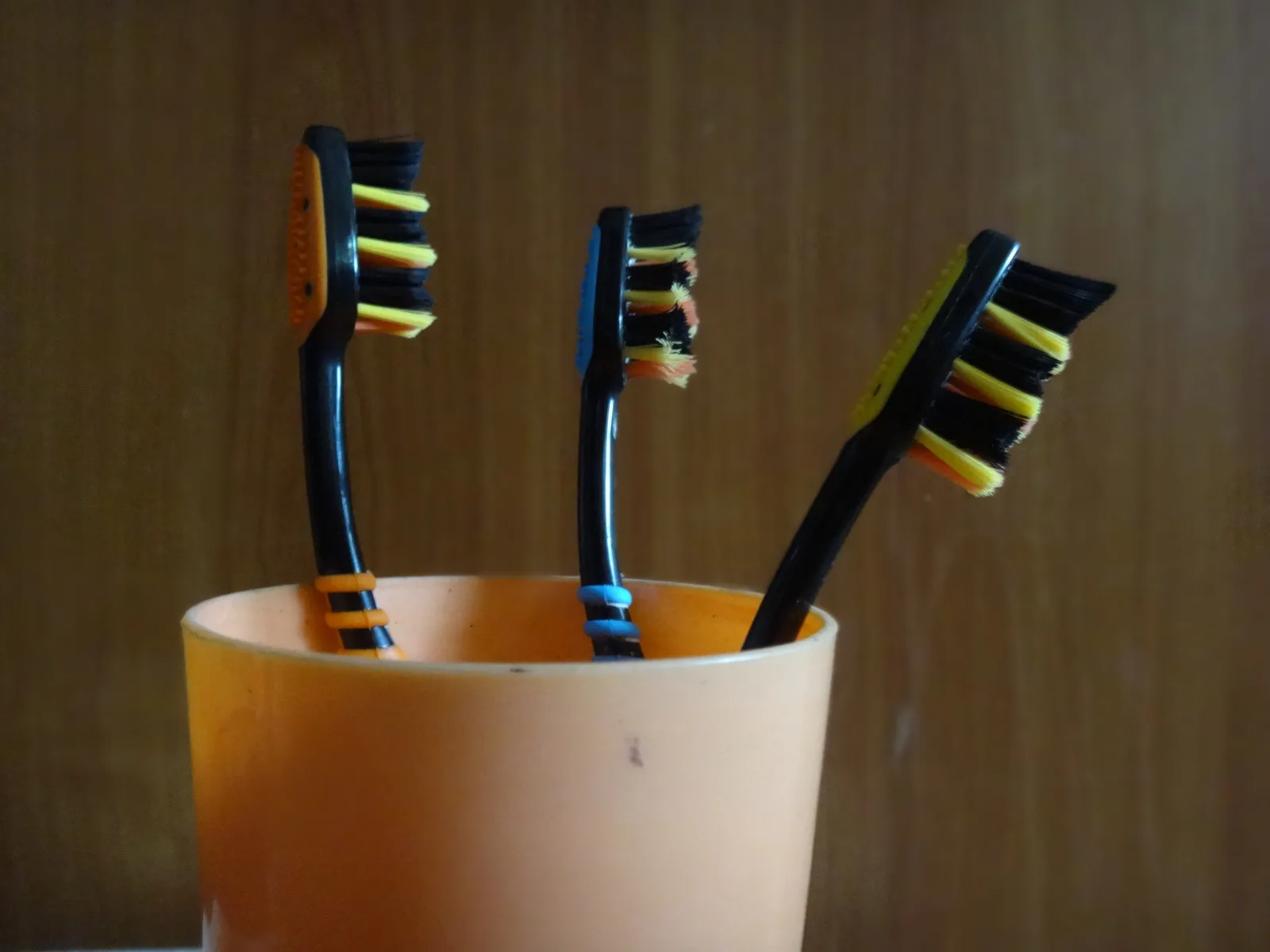
A normal toothbrush relies on scrubbing to remove plaque, but some bacteria survive brushing and start rebuilding it. A team at Peking University Hospital of Stomatology has tried a different approach: a toothbrush that generates its own electricity with every stroke, reported on 4 November 2026 in Science Advances.
How it works
The bristles are made of PVDF, a piezoelectric plastic that produces an electrical charge when it bends. That charge triggers reactions in saliva and water that release reactive oxygen species, which damage bacterial cells and break up biofilms on teeth. In lab tests, the bristles killed more than half of the decay-causing Streptococcus mutans bacteria, compared with 9% for nylon, and cut the gum-disease bacterium P. gingivalis by up to 78%, compared with less than 8%.
Also read: Pure cranberry juice slowed dental plaque regrowth in a small study
The human trial
115 adults took part in a 3-month trial, using either the new brush or a standard nylon brush with the same brushing instructions. The new brush improved plaque control and reduced gum inflammation and bleeding, and DNA analysis of plaque samples showed fewer of several harmful oral bacteria.
What is still missing
Dr Nicholas Jakubovics, an oral microbiologist at Newcastle University who was not involved, said the idea of a brush surface "actively doing something" is really interesting. But the trial was short, the brush is not on sale, and larger, longer studies are needed to show whether it prevents decay and tooth loss. Gum disease remains a leading cause of tooth loss in adults, and for people who have already lost teeth, options such as dental implants in Turkey are possible once the gums have been treated.
Sources: EurekAlert! (Science Advances), Live Science
This story is relayed from the source named above; responsibility for its content rests with the original source.
FAQ
How does the electricity-generating toothbrush work?
The electricity-generating toothbrush has PVDF bristles that produce a charge when they bend, releasing reactive oxygen species that kill bacteria and break up plaque.
What did the piezoelectric toothbrush achieve in people?
In a 3-month trial of 115 adults, the piezoelectric toothbrush improved plaque control and reduced gum inflammation and bleeding compared with a nylon brush.
Does the PVDF toothbrush kill decay-causing bacteria?
In the lab, the PVDF toothbrush killed more than half of decay-causing Streptococcus mutans bacteria, compared with 9% for nylon bristles.
Can I buy the electricity-generating toothbrush?
No, the electricity-generating toothbrush is still a research prototype, and larger, longer studies are needed before it could reach the market.
Why does gum health matter?
Gum health matters because gum disease is a leading cause of tooth loss in adults, and good plaque control helps prevent gum inflammation and bleeding.