Ebola mRNA vaccine: Uganda starts Africa's first trial
- Uganda launched Africa's first clinical trial of an mRNA vaccine against Bundibugyo Ebola on 27 November 2026, run by the Uganda Virus Research Institute with Moderna.
- The Ugandan Ebola vaccine trial will enrol 224 healthy volunteers aged 1 to 65 and, for the first time, test the vaccine in children.
- The Phase I trial measures safety and immune response only, so it cannot yet show whether the mRNA vaccine prevents Ebola.
- Gavi has also committed to buy 1.5 million doses of a second candidate, the Oxford and Serum Institute of India ChAdOx1 vaccine.
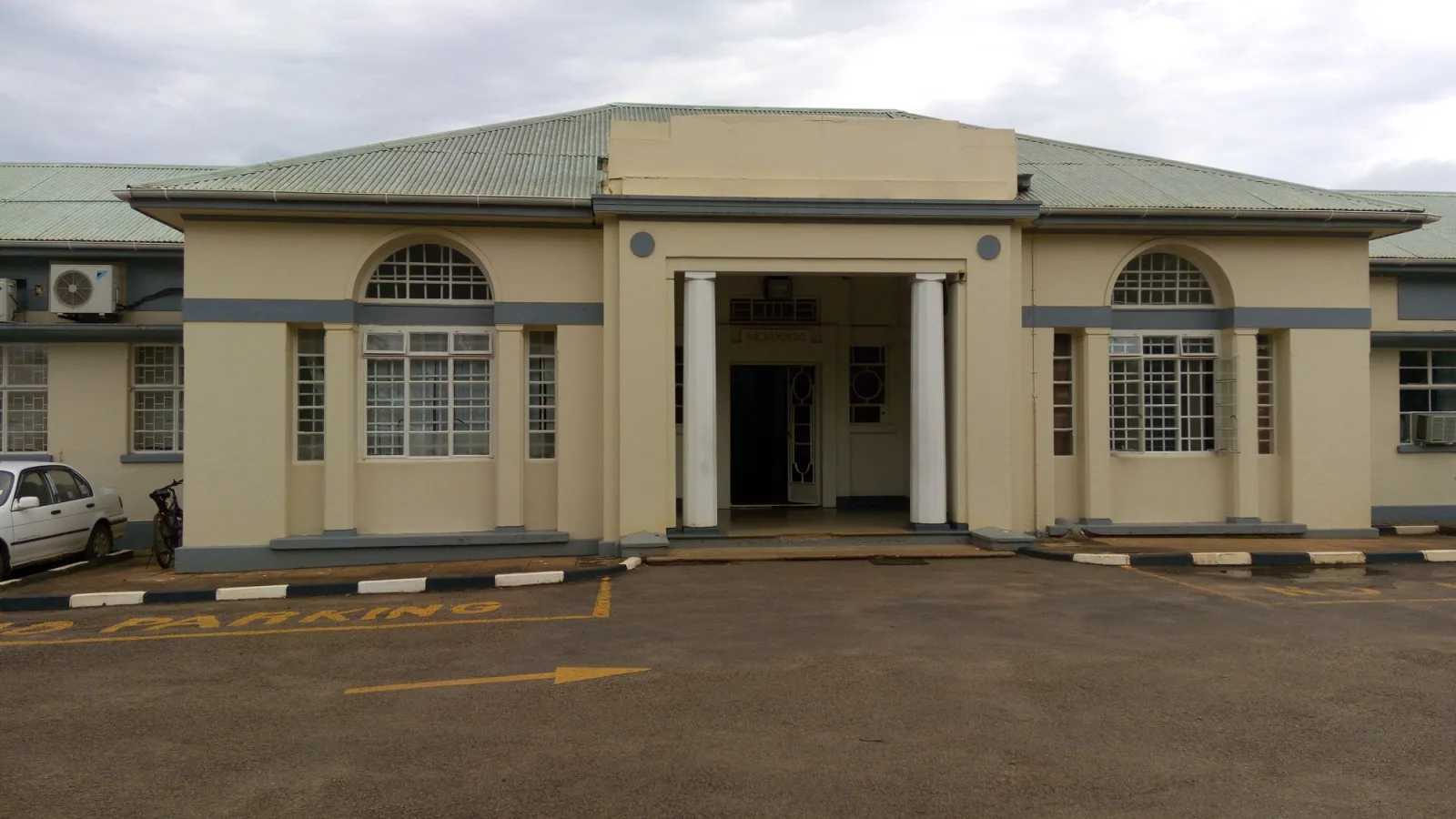
Uganda launched Africa's first clinical trial of an mRNA vaccine against the Bundibugyo species of Ebola virus on Friday 27 November 2026. The state-run Uganda Virus Research Institute (UVRI) said it is running the trial with Moderna, which makes the vaccine. Bundibugyo is the virus behind the outbreak centred on the Democratic Republic of the Congo, now the second-largest Ebola outbreak on record, and no vaccine or treatment is approved against it.
What the Ugandan trial will test
- Volunteers: 224 healthy people aged 1 to 65.
- Goal: to check the vaccine's safety and its ability to trigger an immune response.
- Children: it is the first time the vaccine is tested in children aged 1 year and above.
- Second human study: Moderna began the first trial in Canada in August, in adults aged 18 to 65.
"Children are often among those hardest hit when Ebola strikes, yet they are too often the last to benefit from new vaccines," said Richard Hatchett, chief executive of the Coalition for Epidemic Preparedness Innovations (CEPI), which is helping to fund the vaccine.
Also read: Bundibugyo Ebola outbreak passes 9,700 cases in DR Congo and spreads to Kenya and Nigeria
A race against the outbreak
The WHO counts more than 11,000 cases and 5,700 deaths in the DR Congo since the outbreak was declared in May, and insecurity has forced response teams out of parts of the east. The WHO has called for faster trials of vaccines and treatments, and two candidates, the Moderna vaccine and the ChAdOx1 vaccine from the University of Oxford and the Serum Institute of India, are due to start testing in eastern DR Congo among contacts of cases and people at high risk. Scientists are also checking whether Merck's Ervebo, made against the Zaire strain, offers any cross-protection.
Gavi, the Vaccine Alliance, signed a commitment this week to buy 1.5 million doses of ChAdOx1 so they can be deployed quickly if trials succeed. It hopes the trials will conclude in the first half of 2027.
What this does not show yet
A Phase I trial is small and is designed to test safety and immune response, not protection. Whether the mRNA vaccine actually prevents Bundibugyo Ebola will only be known from larger trials. Uganda itself contained imported cases earlier this year and was declared Ebola-free in August after 20 cases, including two deaths.
Sources: Reuters (via Yahoo News), AFP (via Yahoo News)
This story is relayed from the source named above; responsibility for its content rests with the original source.
FAQ
What did Uganda announce about an Ebola vaccine?
Uganda announced on 27 November 2026 that the Uganda Virus Research Institute, with Moderna, had launched Africa's first clinical trial of an mRNA vaccine against Bundibugyo Ebola.
Who can take part in the Ugandan mRNA Ebola vaccine trial?
The Ugandan mRNA Ebola vaccine trial aims to enrol 224 healthy volunteers aged 1 to 65, making it the first test of this vaccine in children.
Is there an approved vaccine for Bundibugyo Ebola?
No. There is currently no approved vaccine or treatment for Bundibugyo Ebola; Ervebo is approved against the Zaire strain and is being studied for cross-protection.
Does the Phase I trial show that the mRNA Ebola vaccine works?
No. The Phase I trial of the mRNA Ebola vaccine measures safety and immune response; protection against infection must be shown in larger trials.
Which other Bundibugyo Ebola vaccine is being tested?
The ChAdOx1 vaccine from the University of Oxford and the Serum Institute of India is also entering trials in the DR Congo, and Gavi has committed to buy 1.5 million doses.