An 8-year Finnish study links childhood screen time to better thinking skills in adolescence
- University of Jyväskylä researchers followed children from childhood into adolescence for 8 years.
- More screen time in childhood was linked to better cognitive processing as teenagers.
- The researchers say what children do on screens likely matters more than how long.
- Light activity in girls and guided activity in boys were linked to better working memory.
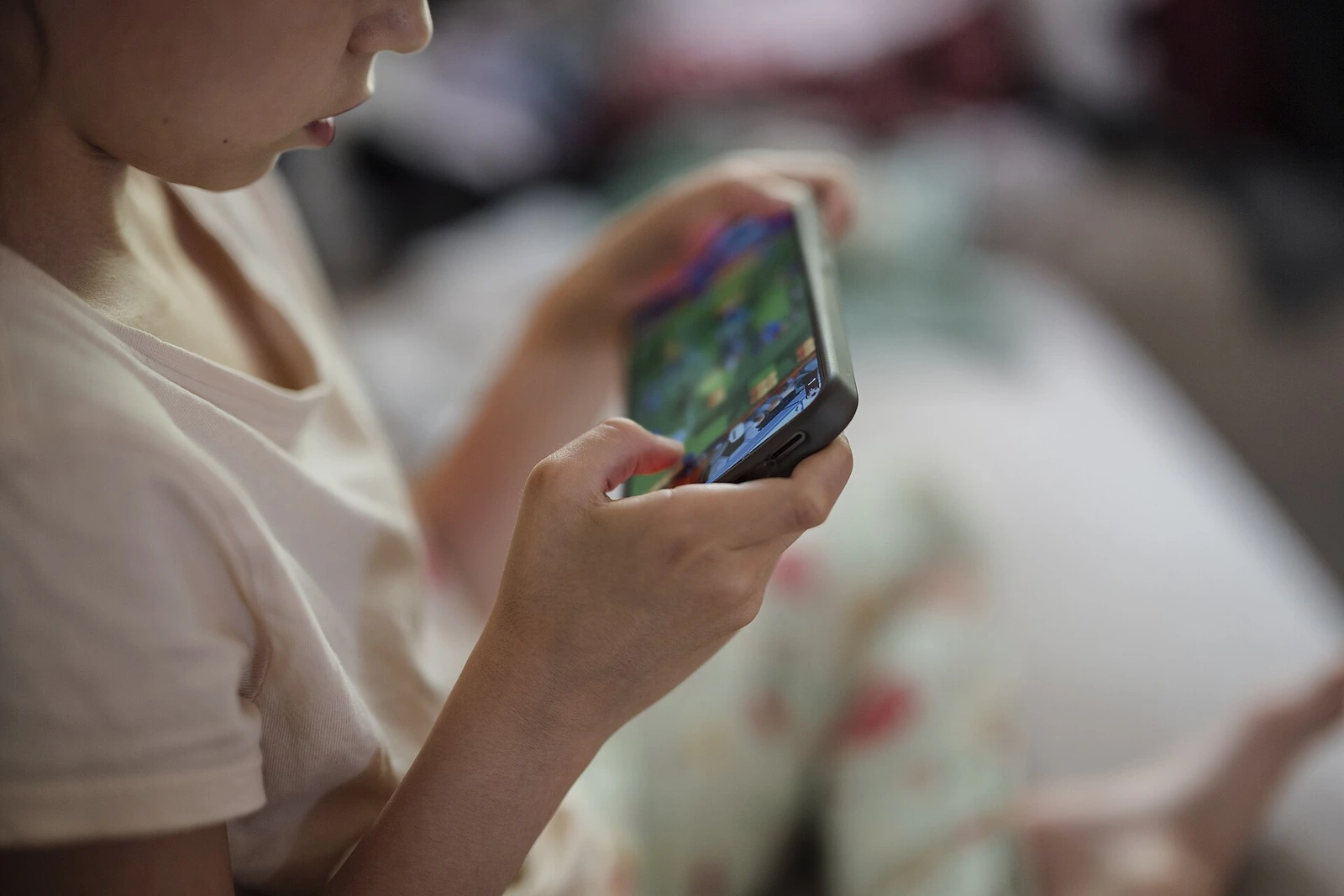
Screen time is often seen as harmful to children's brains, but a Finnish study that followed children for 8 years found something surprising.
The study
Researchers at the University of Jyväskylä examined how screen time, physical activity and sedentary behaviour from childhood through adolescence related to teenagers' cognitive performance, and whether the links differed between boys and girls.
Also read: WHO issues its first global guidelines on obesity care for children and adolescents
The results
More screen time in childhood was associated with better cognitive processing in adolescence: taking in information, paying attention, remembering and solving problems. Doctoral researcher Petri Jalanko says the essential point is probably what children do on screens, and encourages parents and teachers to promote uses that build active thinking, creativity and learning.
Physical activity showed a more complex picture: in girls, light-intensity activity since childhood was linked to better working memory, while in boys guided activity, such as organised sport, was linked to stronger working memory.
Balance is key
The findings don't mean unlimited screens are good: the study is observational and did not break down types of use in detail. The researchers conclude that the aim is balance between physical activity and screen time that stimulates thinking, rather than treating screens as harmful by default.
Source: ScienceDaily (University of Jyväskylä)
This story is relayed from the source named above; responsibility for its content rests with the original source.
FAQ
Is screen time bad for children's brains?
In an 8-year Finnish study, more childhood screen time was linked to better cognitive processing in adolescence, but the type of use matters most.
What kind of screen time is good for children?
University of Jyväskylä researchers say screen use that promotes active thinking, problem-solving, creativity and learning is the most beneficial.
Does physical activity affect children's memory?
Yes. Light activity in girls and guided activity in boys were linked to better working memory in adolescence.