Avicenna (Ibn Sina), the physician whose Canon of Medicine was taught in Europe for six centuries
- Avicenna (Ibn Sina) was born around 980 in Afshana near Bukhara and had memorised the whole Quran by age 10.
- Avicenna's Canon of Medicine, a five-book encyclopedia finished in 1025, stayed in use at European universities as late as 1650.
- Avicenna is credited with about 450 works; around 240 survive, including 40 on medicine.
- Avicenna died in Hamadan on 22 June 1037 and is buried there.
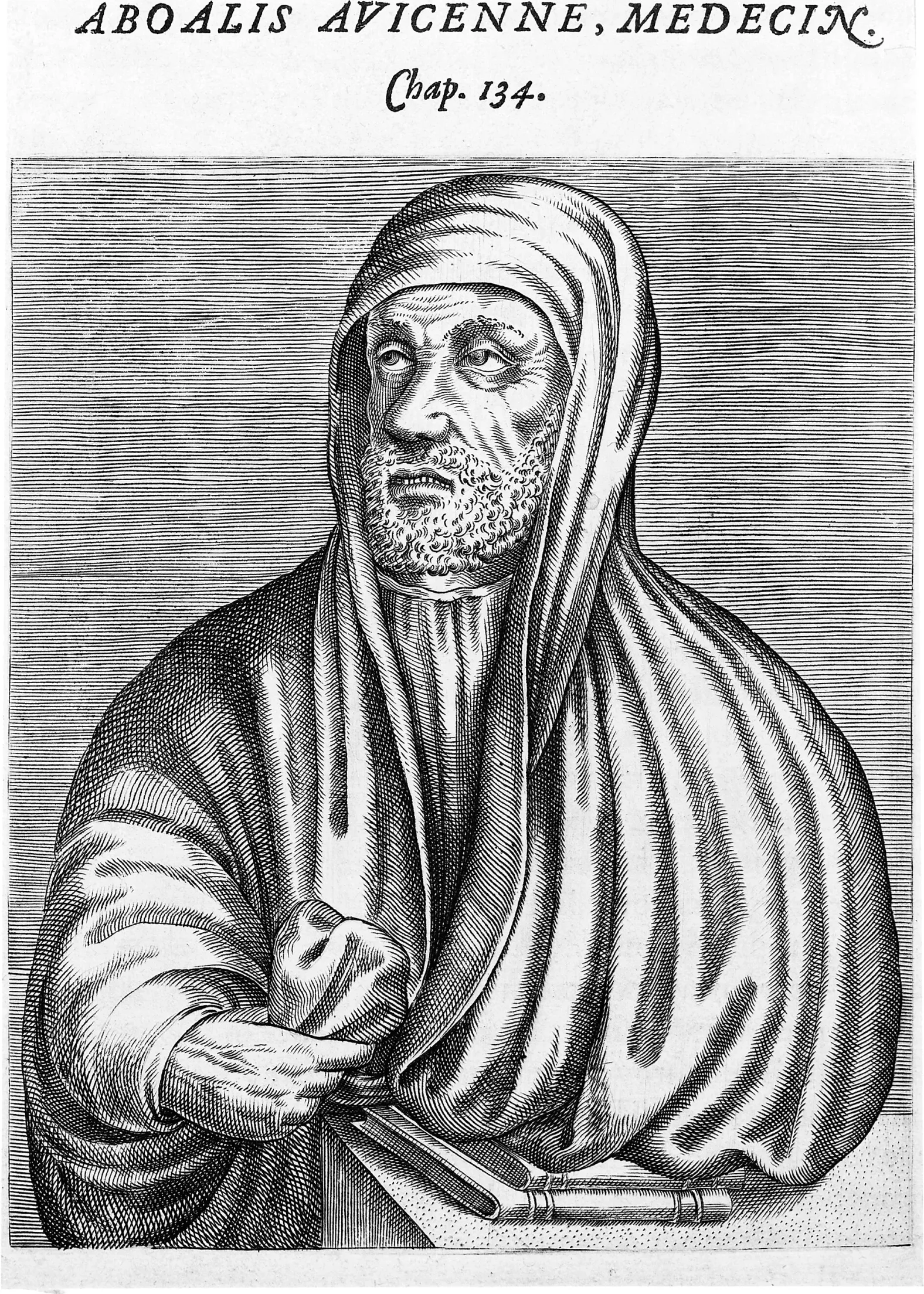
Few doctors have carried a nickname as grand as "Prince of Physicians". Abu Ali al-Husayn ibn Sina, known in the West as Avicenna, was born around 980 in the village of Afshana near Bukhara. By ten he had memorised the entire Quran; by eighteen he had worked through the Greek sciences and was already practising medicine.
The Canon of Medicine
In 1025 he completed al-Qanun fi al-Tibb, the Canon of Medicine: a five-book encyclopedia that pulled together what the Islamic world knew about medicine, drawing on Greek, Persian and Indian traditions and adding his own observations. Gerard of Cremona translated it into Latin, the first printed edition appeared in 1472, and it remained a standard text at many European universities as late as 1650.
Ideas ahead of their time
Among the contributions credited to him are recognising that tuberculosis is contagious, that some diseases spread through water and soil, and that mind and body interact in illness. He built on earlier masters, among them Abu Bakr al-Razi, who told smallpox from measles.
A polymath on the move
About 450 works are attributed to him, and around 240 survive, including 150 on philosophy and 40 on medicine, written mostly in Arabic with some in Persian. Alongside the Canon he wrote The Book of Healing, an encyclopedia of philosophy and science. He moved between royal courts and even served as vizier in Hamadan.
In 1037, while travelling with the ruler Ala al-Dawla on a campaign near Isfahan, he was struck by the colic that had troubled him for years. He died in Hamadan on 22 June 1037 and was buried there, where his mausoleum still stands.
Sources: Wikipedia: Avicenna, Wikipedia: The Canon of Medicine
This story is relayed from the source named above; responsibility for its content rests with the original source.
FAQ
Who was Avicenna?
Avicenna (Ibn Sina) was a physician and philosopher of the Islamic world, born around 980 near Bukhara and died in Hamadan in 1037, best known for the Canon of Medicine.
What is the Canon of Medicine?
The Canon of Medicine is a five-book medical encyclopedia that Avicenna completed in 1025, summarising the medical knowledge of his time.
How long was Avicenna's Canon used in Europe?
Avicenna's Canon of Medicine remained a standard text at many European universities as late as 1650, after its Latin translation.
How many books did Avicenna write?
About 450 works are attributed to Avicenna; around 240 survive, including 150 on philosophy and 40 on medicine.
Where is Avicenna buried?
Avicenna is buried in Hamadan, the city where he died on 22 June 1037, and his mausoleum still stands there.