Galen of Pergamon, the physician whose ideas ruled medicine for more than 1,300 years
- Galen was born in 129 CE in Pergamon, today Bergama in Turkey.
- As physician to the gladiators of Pergamon, Galen lost only 5 of them, against 60 under his predecessor.
- Galen showed that the larynx produces the voice and distinguished motor from sensory nerves.
- Galen's views dominated medicine for more than 1,300 years until Ibn al-Nafis and then Vesalius corrected them.
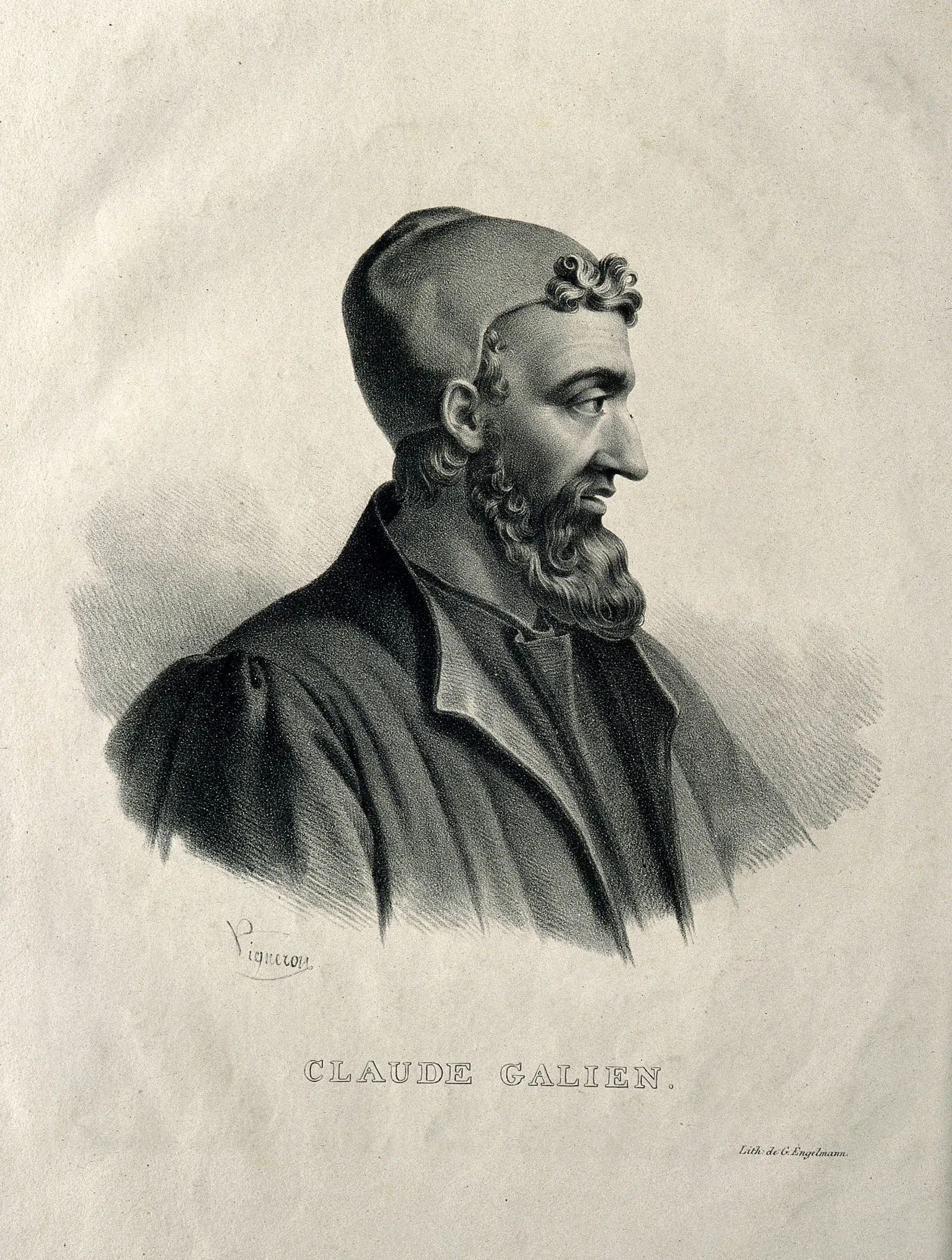
Galen was born in 129 CE in Pergamon, today Bergama in western Turkey, the son of a wealthy architect. His city was a centre of learning, with a library second only to Alexandria's and a great temple to Asclepius, the god of healing. Galen studied in Smyrna (now İzmir), Corinth, Crete and Cyprus before reaching the famous medical school of Alexandria.
Doctor to the gladiators
In 157, aged 28, he came home as physician to the gladiators of Pergamon. Only 5 gladiators died on his watch, against 60 under his predecessor, a difference put down to his care of their wounds. He moved to Rome in 162, became physician to several emperors and lived through the Antonine Plague, most likely smallpox.
Also read: William Harvey: "I profess both to learn and to teach anatomy, not from books but from dissections"
Experiments that changed anatomy
Human dissection was forbidden in Rome, so Galen dissected Barbary apes and pigs. He showed that the larynx produces the voice and that the brain controls it through the recurrent laryngeal nerve, and he explained the difference between motor and sensory nerves. He may have written some 500 treatises; about 3 million words survive.
A long legacy, and long-lived mistakes
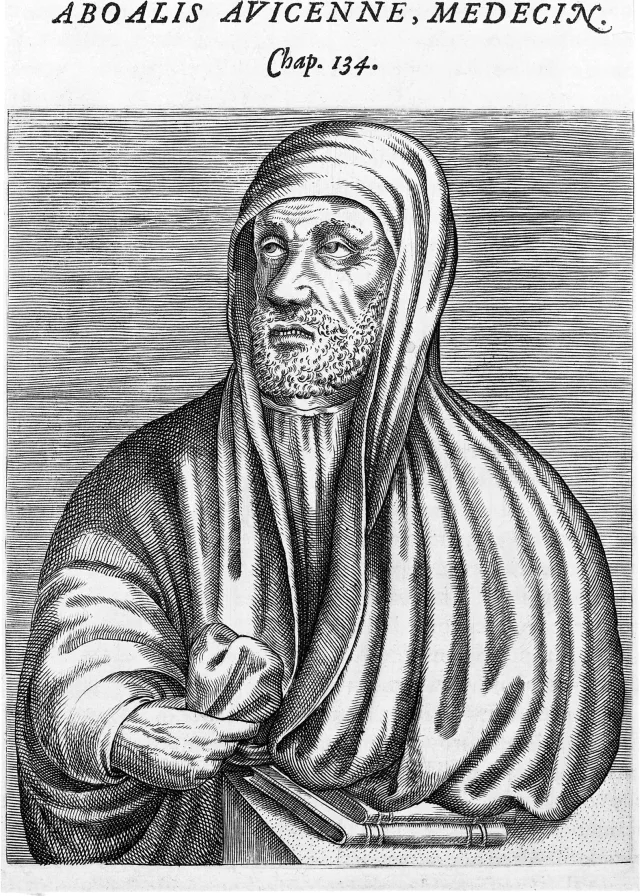
His views shaped medicine for more than 1,300 years, and Avicenna built on them in the Canon of Medicine. But applying animal anatomy to humans led to errors: Ibn al-Nafis challenged his account of the circulation around 1242, and Andreas Vesalius corrected his anatomy in 1543 by dissecting the human body itself.
Sources: Wikipedia: Galen, Wikipedia: Pergamon
This story is relayed from the source named above; responsibility for its content rests with the original source.
FAQ
Who was Galen?
Galen was a Greek physician of the Roman Empire, born in 129 CE in Pergamon (today Bergama, Turkey), and one of the most accomplished medical researchers of antiquity.
Where was Galen born?
Galen was born in the ancient city of Pergamon, which is today Bergama in western Turkey.
What did Galen discover about the voice?
Galen showed that the larynx produces the voice and that the brain controls it through the recurrent laryngeal nerve, in a famous experiment on pigs.
Why did Galen's anatomy contain errors?
Human dissection was forbidden in Rome, so Galen dissected apes and pigs and applied the results to humans, errors later corrected by Ibn al-Nafis and Vesalius.
How long did Galen influence medicine?
Galen's ideas dominated medicine in Europe and the Islamic world for more than 1,300 years.