Heart regeneration: why the beating heart can't self-repair
- Heart regeneration is held back by the heart's own beating, a CNIC study in Nature Cardiovascular Research reports.
- Heart muscle cells that briefly stopped contracting dismantled their sarcomeres and began dividing again.
- The same heart cells stopped dividing once contraction was restored, and their metabolism returned to its mature state.
- The CNIC researchers stress that this lab finding is not yet a treatment for heart attack or heart failure.
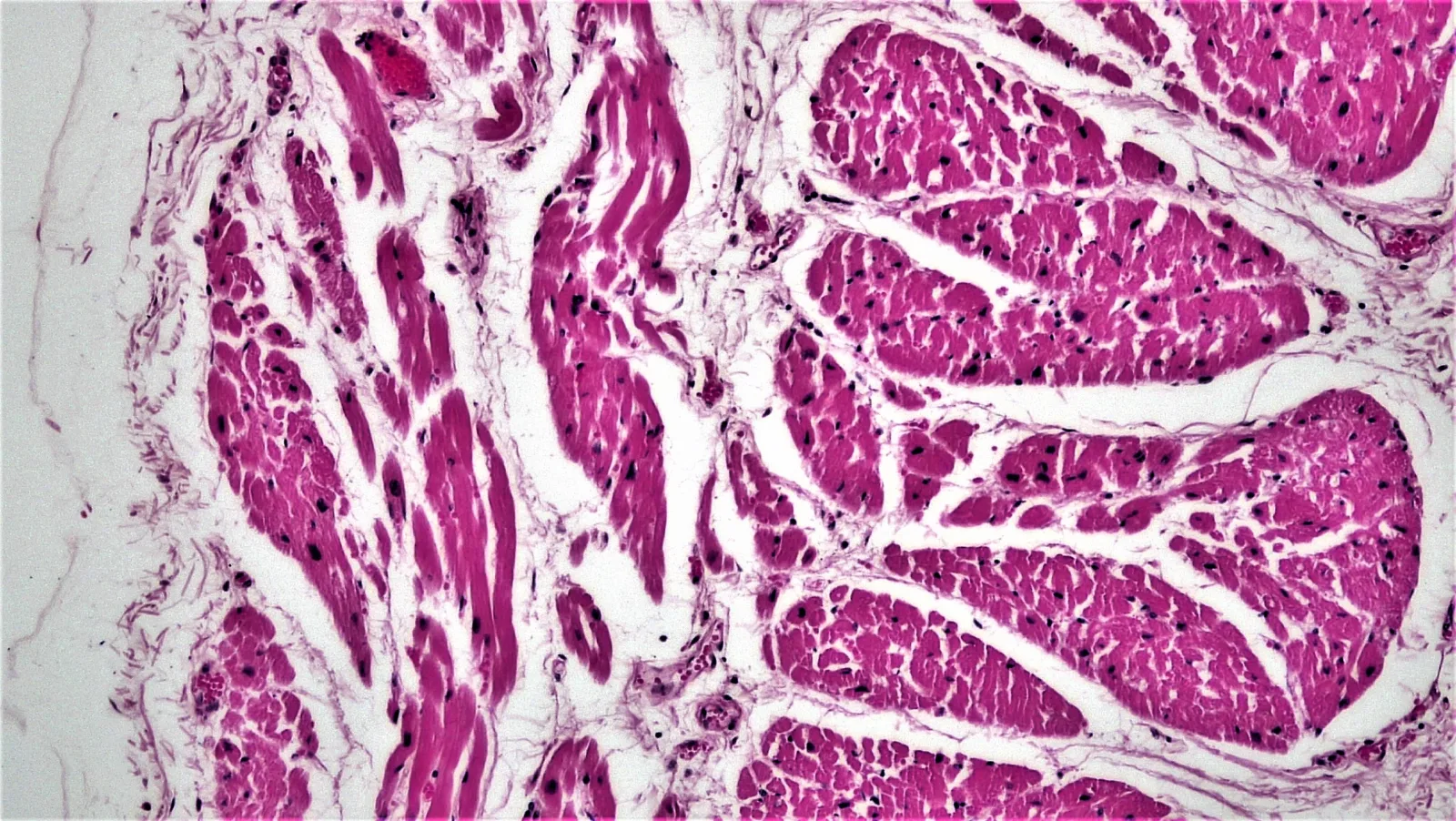
Why can a damaged heart not rebuild itself? A study published in Nature Cardiovascular Research and announced on 26 November 2026 by Spain's National Centre for Cardiovascular Research (CNIC) points to an unexpected culprit: the heartbeat itself. The heart beats more than 100,000 times a day, and the work suggests that this constant contraction actively keeps heart muscle cells from dividing.
What the researchers did
The team, led by Florian Weinberger at CNIC with colleagues at University Medical Center Hamburg-Eppendorf and the German Centre for Cardiovascular Research, studied cardiomyocytes in several systems: human heart cells grown from stem cells, engineered heart tissue, living slices of heart muscle, animal models and native adult human heart tissue.
Also read: Blood pressure pills cut heart risk even in low-risk people
- When contraction was temporarily switched off, the sarcomeres (the cell's contractile machinery) came apart and the cells re-entered the cell cycle, with a clearly higher ability to divide.
- The resting cells also shifted to a more glycolytic, less energy-hungry metabolism, which seemed to favour division.
- When beating resumed, sarcomeres reassembled, metabolism returned to its mature profile and the cells stopped dividing.
Why it matters, and its limits
After a heart attack, lost muscle is replaced by scar, because adult heart cells lose their ability to divide soon after birth. The study describes this as a trade-off: the heart gives up regeneration in order to keep pumping. Understanding that brake could one day guide therapies after myocardial infarction or in heart failure, a field where prevention still matters most, as shown by earlier research on flu vaccination after a heart attack.
The authors are cautious. The press release gives no effect sizes, and stopping the heartbeat is obviously impossible in a patient; any future approach would need to unlock cell division only briefly and without harming heart function. For now, this is basic science, not a treatment.
Sources: CNIC (Spanish National Centre for Cardiovascular Research), Nature Cardiovascular Research
This story is relayed from the source named above; responsibility for its content rests with the original source.
FAQ
Why can't the human heart repair itself?
Adult heart muscle cells largely lose their ability to divide shortly after birth, and a CNIC study in Nature Cardiovascular Research suggests that the heart's constant contraction actively keeps them in this non-dividing state.
What happened when heart cells stopped contracting in the CNIC study?
When contraction was temporarily inhibited, heart muscle cells disassembled their sarcomeres, shifted to a more glycolytic metabolism and re-entered the cell cycle, showing a significantly greater capacity to divide.
Does the heart contraction study lead to a new treatment?
No. The CNIC researchers say the findings on contraction and heart regeneration do not immediately translate into therapies, although they reveal mechanisms that could be targeted after a heart attack or in heart failure.
Which models were used in the heart regeneration study?
The heart regeneration study used human stem cell-derived heart cells, engineered heart tissue, living myocardial slices, animal models and native adult human heart tissue.
Who carried out the study on heart contraction and regeneration?
The study was led by Florian Weinberger of Spain's CNIC, with Nancy Shehata and Rajiven Srikantharajah as first authors and partners at University Medical Center Hamburg-Eppendorf and the German Centre for Cardiovascular Research.