On this day in 1895: Alfred Nobel signs the will that created the Nobel Prize in Medicine
- On 27 November 1895 Alfred Nobel signed his third and last will at the Swedish-Norwegian Club in Paris.
- He left most of his wealth to a fund whose interest would reward those who conferred "the greatest benefit to humankind".
- One of five equal parts was for the most important discovery in physiology or medicine.
- His family opposed the will, and the first prizes were not awarded until 1901.
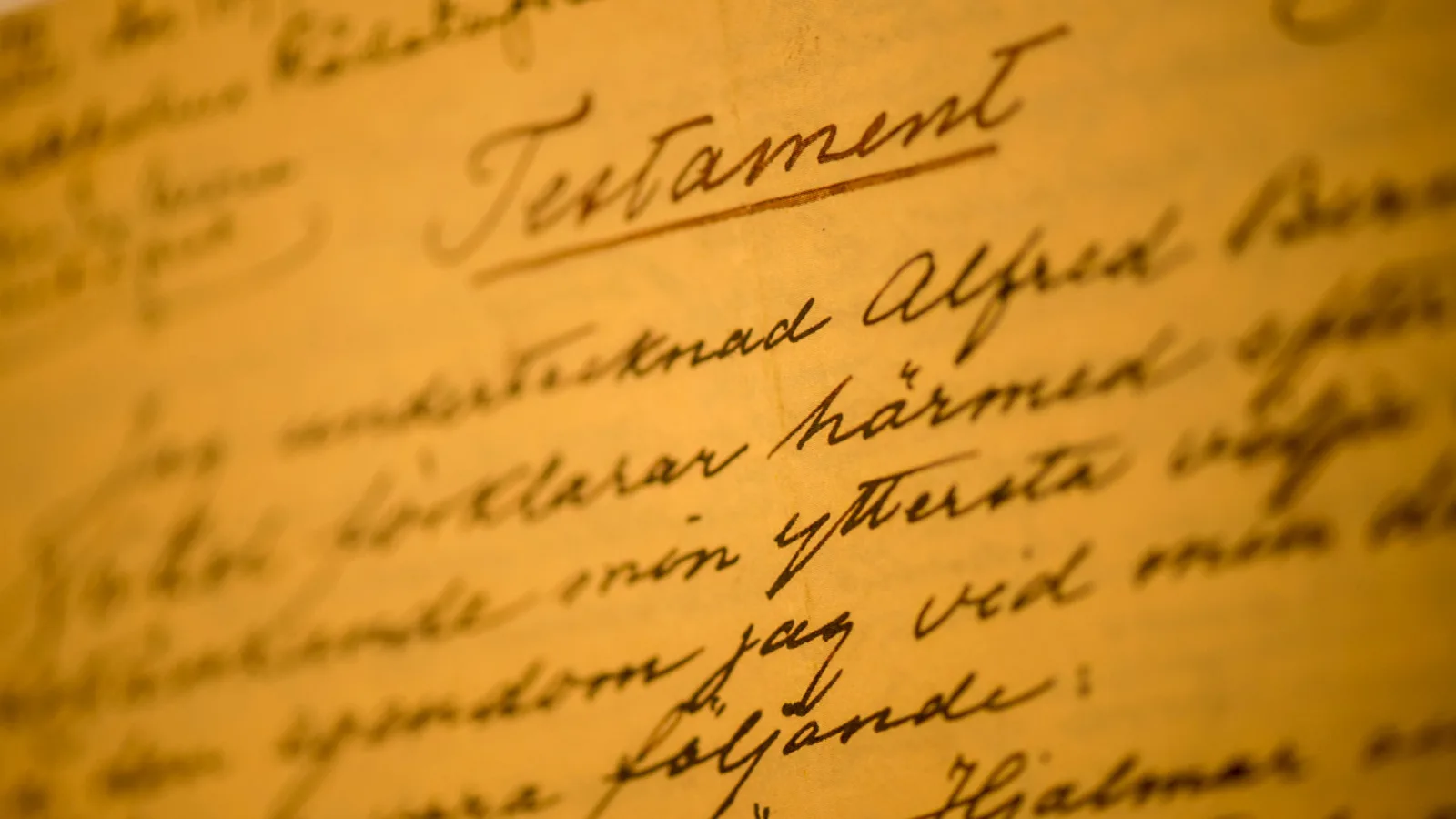
On 27 November 1895, Swedish chemist and inventor Alfred Nobel signed his third and last will at the Swedish-Norwegian Club in Paris. His family did not know he had decided to leave most of his fortune to establish a prize.
"The greatest benefit to humankind"
The will directed that his remaining assets form a fund whose interest would be distributed each year as prizes "to those who, during the preceding year, have conferred the greatest benefit to humankind". The interest was to be divided into five equal parts, one for "the most important discovery within the domain of physiology or medicine", alongside physics, chemistry, literature and peace.
Also read: Frederick Banting at 135: the Canadian surgeon behind insulin and World Diabetes Day
Five years of controversy
When the will was opened after his death it caused controversy in Sweden and abroad: his family opposed it, and the prize-awarding bodies he named initially refused to carry out his wishes. It took five years before the first prizes were awarded in 1901.
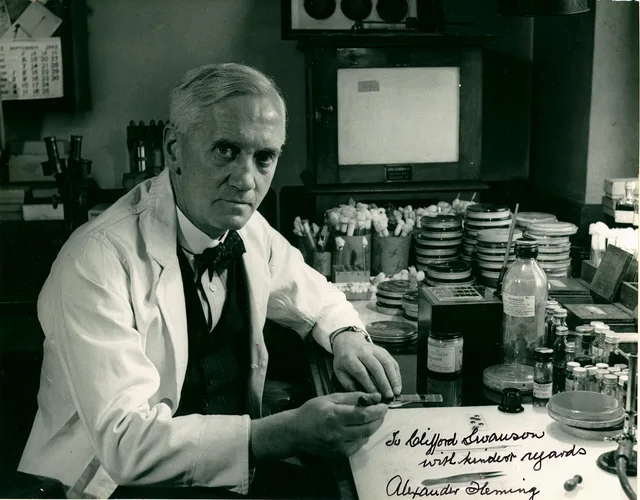
Since then the Nobel Prize in Physiology or Medicine has honoured discoveries that changed lives, from insulin to penicillin, and become the highest recognition in medical research.
Sources: NobelPrize.org, Wikipedia
This story is relayed from the source named above; responsibility for its content rests with the original source.
FAQ
When did Alfred Nobel sign his will?
Alfred Nobel signed his third and last will on 27 November 1895 at the Swedish-Norwegian Club in Paris.
What did Nobel's will say about medicine?
Nobel's will set aside one of five equal parts of the fund's interest for the most important discovery in physiology or medicine.
When was the first Nobel Prize awarded?
The first Nobel Prizes were awarded in 1901, after five years of controversy over Alfred Nobel's will.