Robotic dental implant surgery for toothless jaws: placement errors under a millimetre
- A systematic review led from Charité Berlin assessed the accuracy of robot-assisted implant surgery in people with no teeth.
- It included 5 studies and 35 patients.
- Average deviation was about 0.73 mm at the implant platform, 0.74 mm at the apex and 1.64 degrees in angle.
- The authors call the accuracy promising but the evidence very weak.
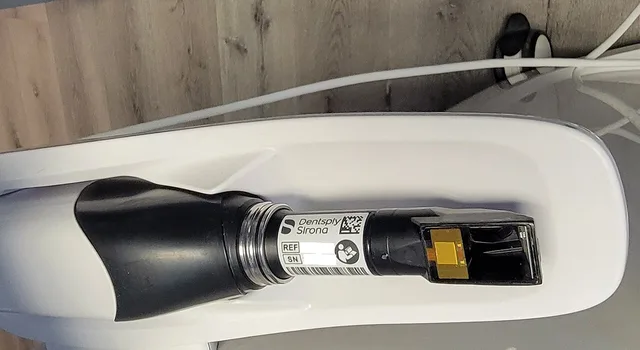
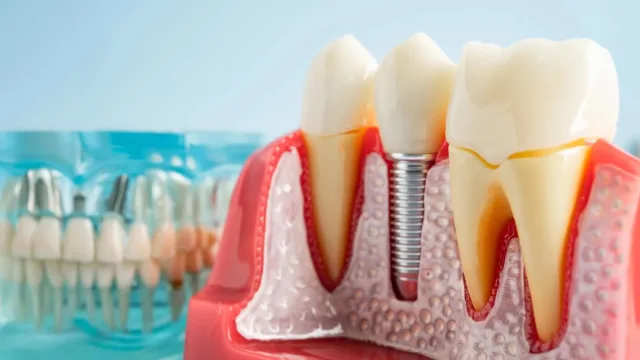
Robots have entered implant dentistry in recent years, promising more precise placement. A systematic review led from Charité university hospital in Berlin, published in the Journal of Dentistry in November 2026, measured that accuracy in fully edentulous patients, among the most challenging dental implant cases.
The review
Of 123 records screened, 5 studies with 35 patients met the criteria.
The results
Average deviation from the planned position was 0.73 mm at the implant platform, 0.74 mm at the apex and 1.64 degrees in angle. An exploratory analysis suggested more autonomous systems were more accurate than operator-dependent ones.
A careful reading
The authors call the accuracy "promising" but rate the certainty of evidence "very low" because the studies are few and small, and note that data on implant survival, complications and cost remain limited. For anyone exploring dental implants in Turkey, the dentist's experience and careful planning remain the foundation of success, with or without a robot.
Source: Journal of Dentistry (PubMed)
This story is relayed from the source named above; responsibility for its content rests with the original source.
FAQ
How accurate is robotic dental implant surgery?
In a Charité review, robot-placed implants deviated on average about 0.73 mm at the platform, 0.74 mm at the apex and 1.64 degrees in angle.
Is robotic implant surgery better than other methods?
Not yet proven. The researchers rate the evidence for robotic implant surgery as very low and call for larger trials.
How many studies were in the robotic implant review?
The Charité review included 5 studies with 35 patients who had lost all or most of their teeth.