H5N1 bird flu: WHO reports first death linked to dairy cows
- H5N1 bird flu infected three dairy farm workers in Yakima County, Washington State, the World Health Organization reported on 24 November 2026.
- One of the three H5N1 patients died on 1 November, the first death reported worldwide after exposure to infected dairy cattle.
- WHO found no evidence that the H5N1 virus spread from person to person in these cases.
- WHO rates the H5N1 risk to the general public as low, and low to moderate for people who work with infected animals.
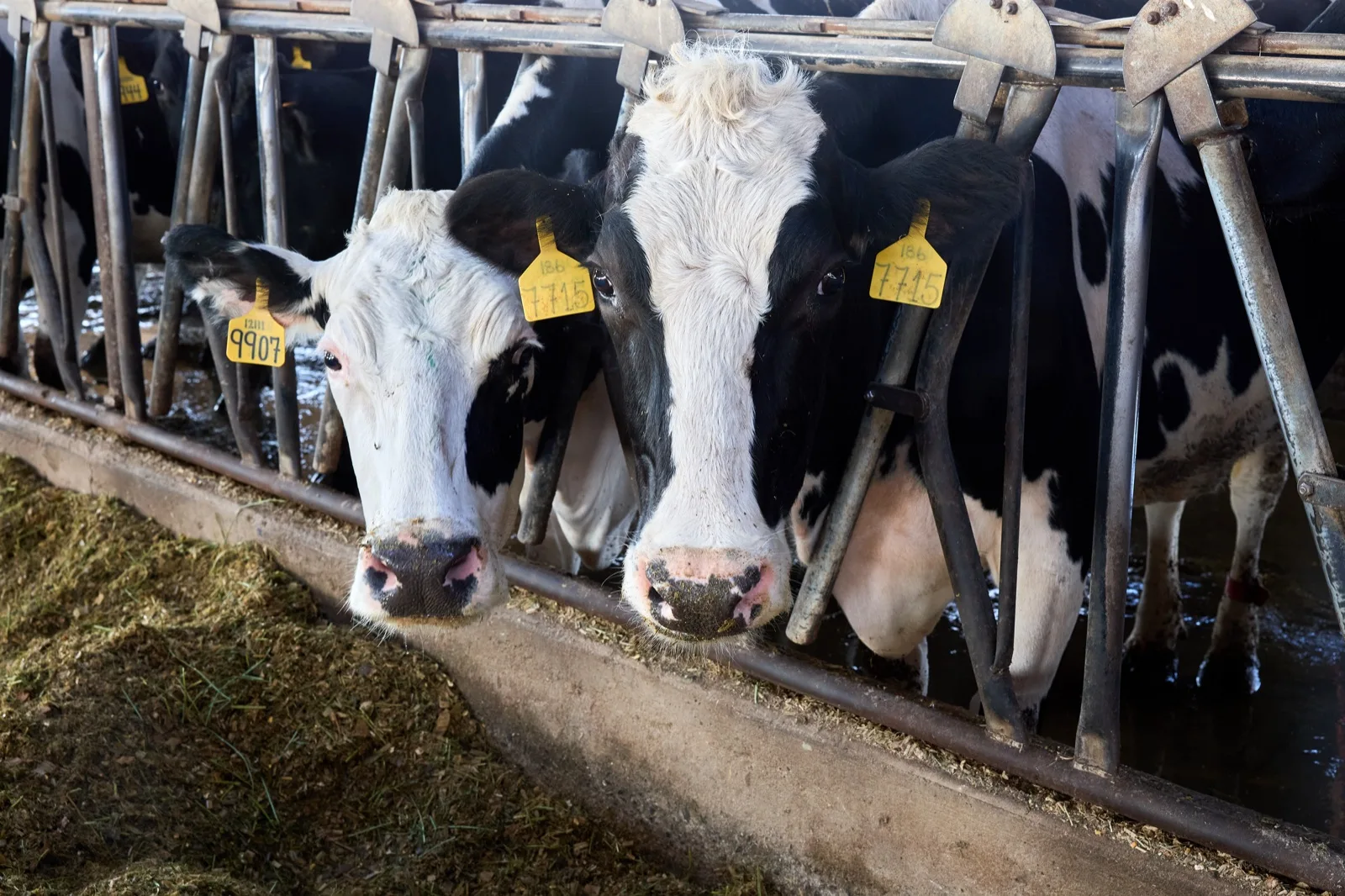
The World Health Organization (WHO) has published a Disease Outbreak News report on three laboratory-confirmed human infections with avian influenza A(H5N1) in Washington State, USA. The United States notified WHO of the cases between 16 October and 4 November 2026. All three patients were adults who worked on dairy cattle farms in Yakima County, where the virus had recently been found in dairy herds.
A first death after contact with dairy cattle
The second patient, who had underlying medical conditions, developed respiratory symptoms in late October, was admitted to hospital with severe illness and died on 1 November. WHO says this is the first death reported anywhere in the world following exposure to infected dairy cattle. The other two patients had mild illness and were not hospitalised: the first had eye irritation, a runny nose, muscle aches and headache and was offered oseltamivir, while the third had conjunctivitis.
Also read: EMA committee backs extending AstraZeneca's H5N1 pandemic nasal flu vaccine to adults
What the genetic tests showed
Sequencing placed the viruses in clade 2.3.4.4b, genotype B3.13, and found them highly similar to viruses detected in Washington dairy cattle. The US Department of Agriculture said the virus was most likely introduced from Idaho through cattle movement. As of 20 November 2026, the United States had recorded 75 human H5 infections since 2024.
How big is the risk?
- WHO found no evidence of person-to-person spread, and contact monitoring is ongoing.
- The risk is low for the general population and low to moderate for people exposed at work.
- Raw milk should be avoided; pasteurised milk and properly cooked eggs and poultry are safe.
- Seasonal flu vaccines are unlikely to protect against H5 viruses, and no H5 vaccine for humans is readily available yet.
The report comes as the US enters an early seasonal flu wave, and after Europe's regulator backed extending a nasal H5N1 pandemic vaccine to adults. WHO does not recommend any travel or trade restrictions.
Sources: World Health Organization, European Centre for Disease Prevention and Control, WHO: Avian influenza A(H5N1)
This story is relayed from the source named above; responsibility for its content rests with the original source.
FAQ
How many people caught H5N1 bird flu in Washington State?
H5N1 bird flu was confirmed in three adults who worked on dairy cattle farms in Yakima County, Washington State, according to the WHO report of 24 November 2026.
Why is the H5N1 death in Washington significant?
The H5N1 death in Washington on 1 November 2026 is the first death reported worldwide following exposure to infected dairy cattle, according to WHO.
Did H5N1 spread between people in the Washington cases?
WHO found no evidence of person-to-person spread of H5N1 in the three Washington cases, and close contacts are still being monitored.
Is milk safe to drink during the H5N1 outbreak in cattle?
Pasteurised milk and milk products are safe to consume, WHO says, but raw or unpasteurised milk should be avoided while H5N1 circulates in dairy cattle.
Does the seasonal flu vaccine protect against H5N1 bird flu?
The seasonal flu vaccine is unlikely to protect against H5N1 bird flu, according to WHO, and no H5 vaccine for humans is readily available yet.