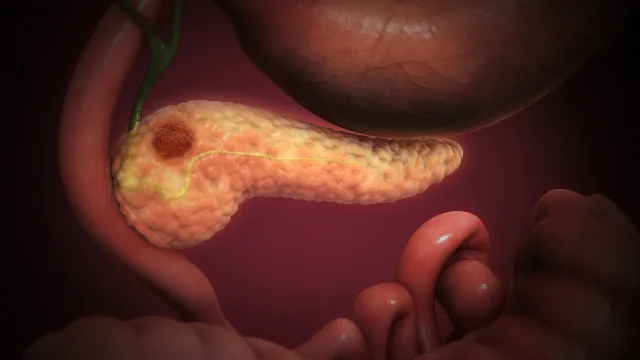

Scientists uncover a hidden hereditary form of aggressive prostate cancer linked to the CDK12 gene
- University of British Columbia researchers identified a rare inherited form of aggressive prostate cancer.
- Analysing genetic data from more than 4,500 patients, they found 5 men with inherited CDK12 mutations.
- All five developed metastatic prostate cancer between ages 44 and 62.
- The team recommends adding CDK12 to genetic testing panels to find at-risk families early.
About 5% to 10% of cancers are linked to inherited mutations passed from parent to child, the best known being in BRCA1 and BRCA2. A study in Cancer Discovery now points to another gene, CDK12, as a potential marker of inherited prostate cancer risk.
The discovery
Researchers at the University of British Columbia, with partners in Australia, the Netherlands, Spain and Belgium, analysed genetic data from more than 4,500 people with aggressive prostate cancer and found five unrelated men with inherited CDK12 mutations. All five developed cancer that had spread beyond the prostate between ages 44 and 62. Scientists had previously believed harmful CDK12 changes arose inside tumours rather than being inherited.
Rare but important
The mutation appears in only about one in 1,000 people with aggressive prostate cancer, yet the team estimates hundreds of families worldwide may be affected. Senior author Dr Alexander Wyatt says the opportunity is to identify these families earlier and offer enhanced screening "when there are still curative treatment options". The researchers recommend adding CDK12 to existing genetic testing panels, using technology that already exists.
When prostate cancer is caught while still confined to the gland, radical prostatectomy is among the curative options a urologic surgeon may discuss.
Source: ScienceDaily (University of British Columbia)
This story is relayed from the source named above; responsibility for its content rests with the original source.
FAQ
What does the CDK12 gene have to do with prostate cancer?
University of British Columbia researchers found that inherited CDK12 mutations are linked to a rare, aggressive form of prostate cancer that appears relatively early in life.
How common is the inherited CDK12 mutation?
The inherited CDK12 mutation appears in about one in every 1,000 people with aggressive prostate cancer.
What share of cancers are linked to inherited mutations?
About 5% to 10% of cancers are associated with inherited mutations passed from parents to children.
Can CDK12 mutations be tested for?
Yes. The technology to detect CDK12 mutations already exists, and researchers recommend adding it to hereditary prostate cancer testing panels.