
Rudolf Virchow: "Every cell comes from a cell", the phrase that founded modern pathology
- German physician Rudolf Virchow published the Latin epigram Omnis cellula e cellula in 1855.
- It means every living cell arises from a pre-existing cell, rejecting spontaneous generation.
- The phrase was coined by François-Vincent Raspail and cell division was shown by Robert Remak, but Virchow popularised it.
- His 1858 book Cellular Pathology is regarded as the root of modern pathology.
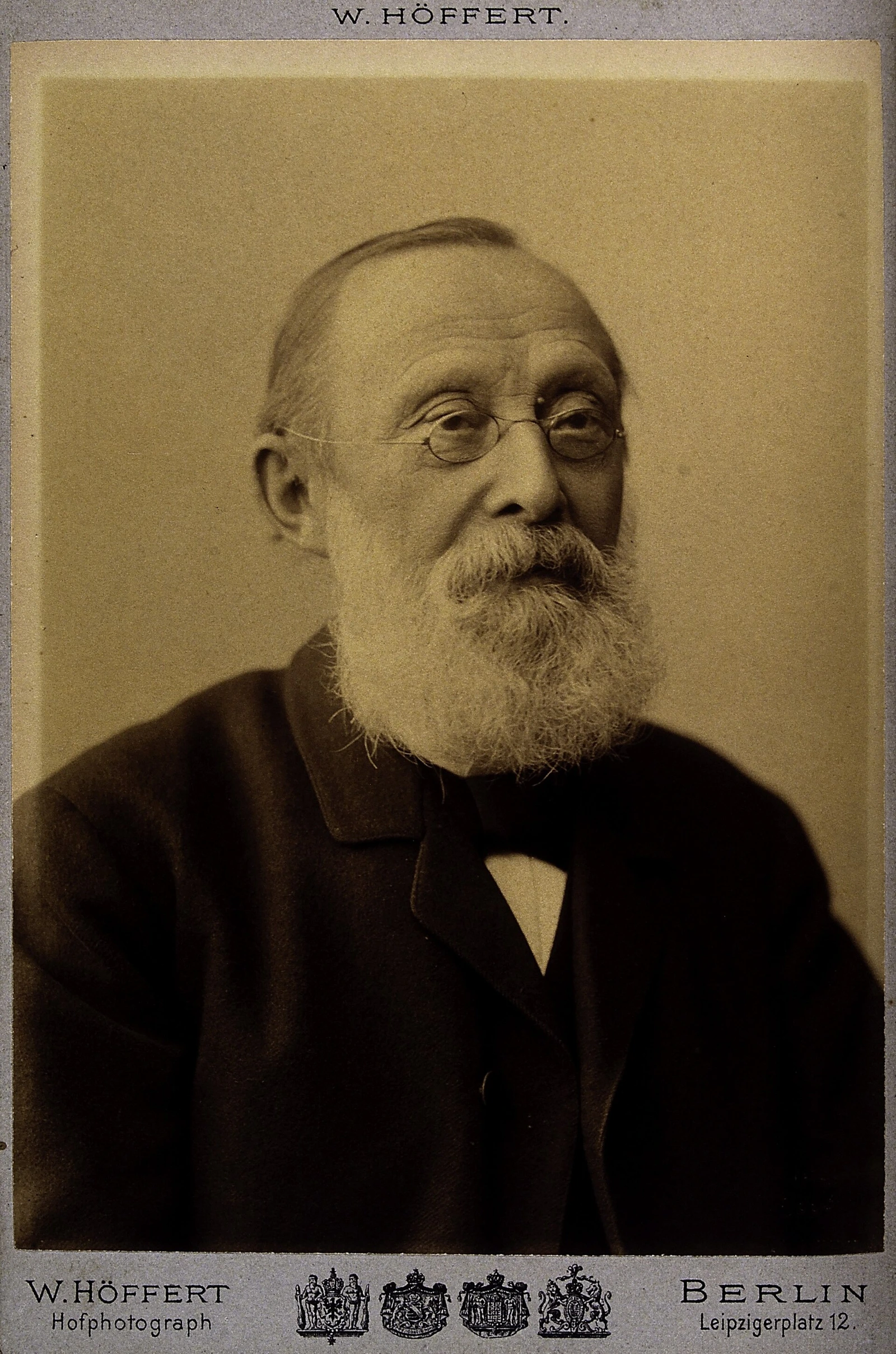
"Omnis cellula e cellula": every cell comes from a cell.
With this short Latin phrase the German physician Rudolf Virchow (1821–1902) summed up his view of life and disease. He published it in 1855 as a rejection of spontaneous generation, the idea that living things could arise from non-living matter.
From disease to the cell
Virchow argued that disease begins in cells themselves. His 1858 lectures, published as Cellular Pathology, are regarded as the root of modern pathology. He was the first to describe and name leukaemia, coined the terms embolism and thrombosis, and developed the first systematic method of autopsy.
Credit where due
In fairness to history, the phrase was first coined by François-Vincent Raspail, and it was Robert Remak who showed that cells arise from the division of pre-existing cells. Historians note that Virchow published Remak's work as his own, causing a rift between them. Still, it was Virchow who made the phrase a motto medical students learn to this day.
Source: Wikipedia
This story is relayed from the source named above; responsibility for its content rests with the original source.
FAQ
What does Omnis cellula e cellula mean?
Omnis cellula e cellula is Latin for every cell comes from a cell; Rudolf Virchow published it in 1855.
Who was Rudolf Virchow?
Rudolf Virchow (1821–1902) was a German physician regarded as the founder of cellular pathology and the first to describe and name leukaemia.
Did Virchow discover cell division?
No. Robert Remak showed that cells arise by division and François-Vincent Raspail coined the phrase, but Virchow popularised it.