An experimental compound burns fat without sacrificing muscle, taking a different route from GLP-1 drugs
- UC Berkeley researchers found that the compound TOFA raises the energy the body burns rather than cutting food intake.
- In mice, TOFA increased energy expenditure by up to 18% without extra activity or higher body temperature.
- Obese mice lost fat with no significant loss of lean muscle, and blood sugar and fatty liver improved.
- The study is in Science Advances; TOFA's effectiveness and safety in humans are not yet established.
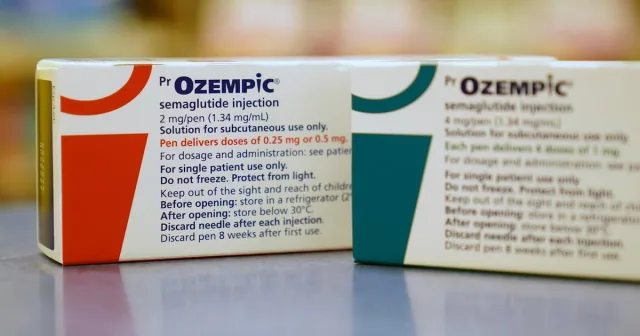
GLP-1 drugs such as Ozempic, Wegovy and Mounjaro have transformed obesity care over the past five years, but they work mainly by curbing appetite, which can bring nausea, poor nutrition and loss of muscle. Could weight loss instead come from burning more energy rather than eating less?
Two levers
"Body weight responds to two levers: taking in fewer calories, or spending more energy," says senior author Anders Näär, professor of metabolic biology at UC Berkeley. "GLP-1s work almost entirely on the first, so we went after the second." The team focused on a compound first discovered in the 1970s, known as TOFA.
Also read: Australia's TGA approves the first weight-loss pill, oral semaglutide (Wegovy)
What happened in mice
TOFA works on two fronts: it slows the production of fats and switches on receptors called PPARα and PPARδ, which drive the genes that burn fat. Energy expenditure rose by up to 18% without more physical activity or a rise in body temperature, and obese mice lost weight mainly as fat, without significant muscle loss. Insulin sensitivity improved, triglycerides fell and signs of fatty liver eased, and the compound appeared to boost the effect of GLP-1 drugs when the two were combined.
Still a long way off
The findings, published in Science Advances, come from mouse studies only. TOFA's effectiveness and safety in people have not been established, so it is not a treatment anyone can use today.
The research comes as countries step up action on obesity, including the WHO-backed pledge to cut obesity by 2030. It is still at the laboratory stage; for people living with severe obesity today, proven options include gastric sleeve surgery in Turkey.
Source: ScienceDaily (UC Berkeley)
This story is relayed from the source named above; responsibility for its content rests with the original source.
FAQ
What is TOFA?
TOFA is an experimental compound first discovered in the 1970s that slows fat production and activates fat-burning genes; UC Berkeley researchers studied it as an obesity treatment.
How is TOFA different from GLP-1 drugs?
GLP-1 drugs mainly cause weight loss by reducing appetite, whereas TOFA increases the amount of energy the body burns.
Does TOFA preserve muscle?
In mouse experiments, obese animals treated with TOFA lost weight mainly as fat, without significant loss of lean muscle.
Is TOFA available as a treatment for people?
No. TOFA's results come from mouse studies only, and its effectiveness and safety in humans have not yet been established.