William Harvey: "I profess both to learn and to teach anatomy, not from books but from dissections"
- William Harvey (1578–1657), the English physician who described the circulation of the blood, wrote these words in 1628.
- The line comes from the dedication of his treatise De Motu Cordis to Dr Argent and other learned physicians.
- Harvey's preference for direct observation over inherited authority still guides how medicine tests its ideas.
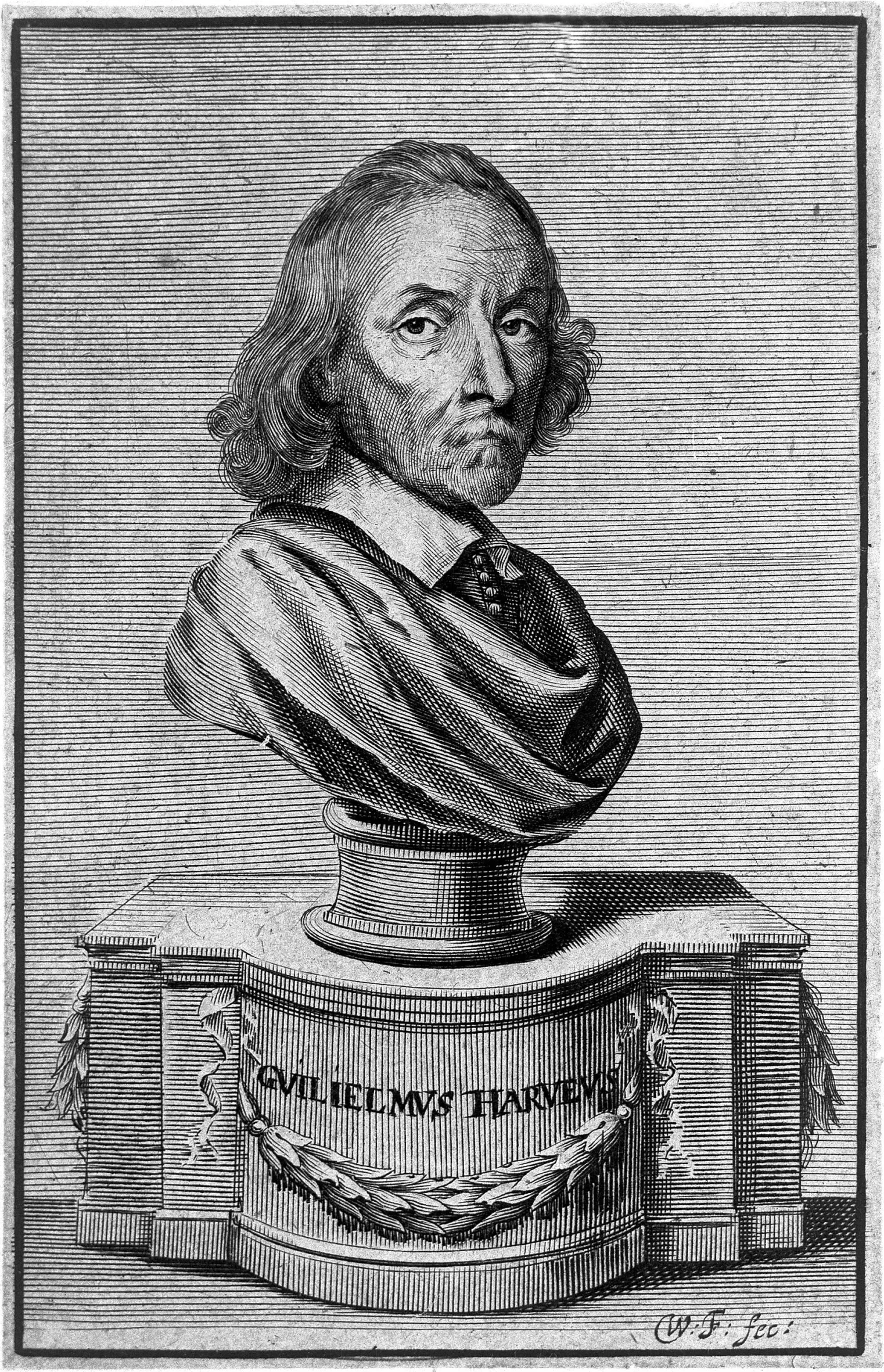
"I profess both to learn and to teach anatomy, not from books but from dissections; not from positions of philosophers but from the fabric of nature."
William Harvey (1 April 1578 – 3 June 1657), the English physician who was the first to describe completely and in detail how the heart pumps blood around the body, wrote this line in the dedication of his treatise De Motu Cordis to Dr Argent and other learned physicians. The book was published in Frankfurt in 1628.
Also read: Galen of Pergamon, the physician whose ideas ruled medicine for more than 1,300 years
Observation over authority
Harvey studied at the University of Padua, became physician in charge at St Bartholomew's Hospital in London and served as physician to King James I and later King Charles I. Instead of repeating inherited theories, he built his case on what he could see and test. In the same dedication he wrote that "all we know is still infinitely less than all that still remains unknown".
Contradicting accepted wisdom had a price: after De Motu Cordis appeared, negative comments from other physicians meant Harvey "fell mightily in his practice". His account of the circulation nonetheless prevailed.
A lesson that still holds
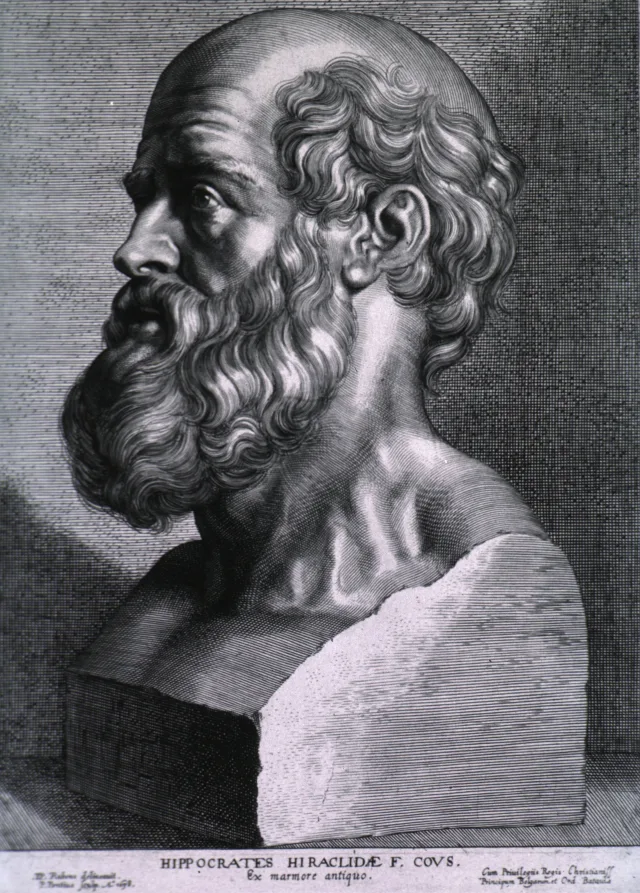
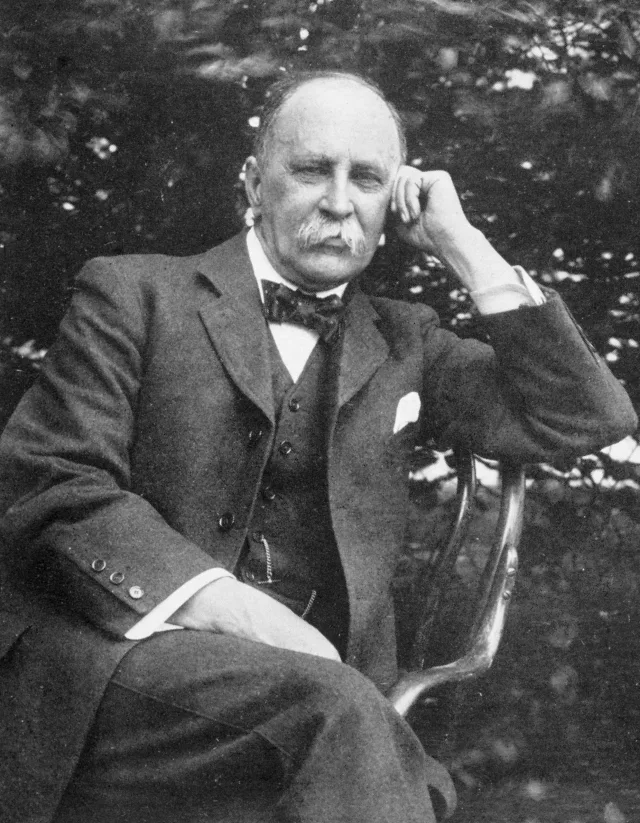
Harvey's words pair well with William Osler's view that doctors need both books and patients: reading guides the eye, but the body has the final word. The same humility runs through Hippocrates' reminder that life is short and the art long.
Sources: Wikiquote: William Harvey, Wikipedia: William Harvey
This story is relayed from the source named above; responsibility for its content rests with the original source.
FAQ
Who was William Harvey?
William Harvey (1578–1657) was an English physician who was the first to describe completely and in detail the circulation of the blood pumped by the heart.
Where does William Harvey's quote about learning anatomy from dissections come from?
William Harvey wrote it in the dedication to Dr Argent and other learned physicians in his 1628 treatise De Motu Cordis, on the motion of the heart and blood.
What is De Motu Cordis?
De Motu Cordis is William Harvey's treatise on the motion of the heart and blood in animals, published in Frankfurt in 1628, in which he described the circulation of the blood.
How did other physicians react to William Harvey's discovery?
After De Motu Cordis appeared in 1628, negative comments from other physicians meant William Harvey "fell mightily in his practice", although he continued to advance his career.
What does William Harvey's quote mean for medicine today?
William Harvey's quote puts direct observation ahead of accepted authority, an approach that remains central to how medicine tests its ideas.