BrainGate: brain implants kept working for up to 7 years
- BrainGate researchers reviewed 20 years of brain-implant data from 14 people with paralysis in a study published in Nature Medicine on 26 November 2026.
- The Utah brain implants in the BrainGate trials recorded neural signals for up to 7.3 years, with only a modest decline over time.
- Eleven of the 14 BrainGate implants still allowed useful control of a computer cursor throughout each person's participation.
- The BrainGate study is a retrospective analysis of a small group, and peak performance was not reached consistently.
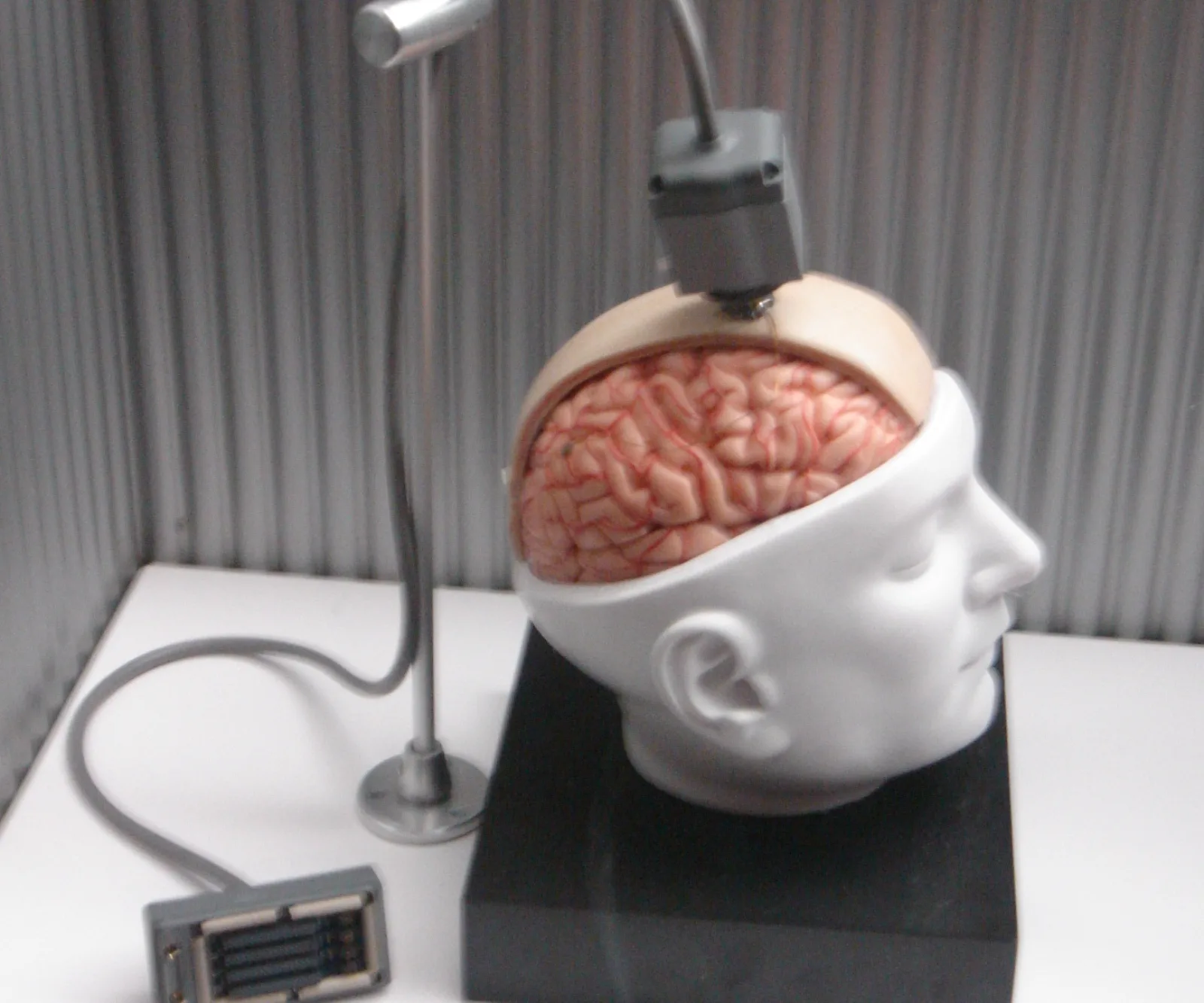
BrainGate, the longest-running clinical research programme on implanted brain-computer interfaces, has published its first large assessment of how well its brain implants hold up over time. The study, which appeared in Nature Medicine on 26 November 2026, pools data from the first 14 people with paralysis who joined the BrainGate and BrainGate2 pilot trials between 2004 and 2019.
Each participant had one or two tiny silicon "Utah" arrays, each with 96 electrodes, placed in the brain. Nineteen of the 20 arrays sat in the hand area of the motor cortex, where they pick up the intention to move and turn it into control of a computer cursor.
Also read: Neuralink: FDA approves first pivotal brain implant trial
What the 20-year review found
- Size: 2,289 recording sessions from 20 arrays, implanted for between 296 and 2,780 days (median 774 days).
- Longevity: the arrays recorded neural signals for up to 7.3 years.
- Signal quality: on average, 35.6% of electrodes picked up signals from individual neurons, with a modest decline of 7 percentage points over the recording period.
- Function: 11 of the 14 arrays analysed for movement decoding gave meaningful cursor control throughout participation, and three reached more than 70% of the accuracy of able-bodied people using a mouse.
- Scaling: decoding quality rose with the number of electrodes, which suggests that devices with more channels could perform better.
Six of the participants were living with ALS, and the best signals came from two people with spinal cord injury. The findings matter as companies race to bring implants to patients, including Neuralink, whose pivotal trial was recently cleared by the FDA.
Limits of the study
This is a post hoc analysis of sessions that had already been recorded, in a small group, and it does not include people who joined after 2021. Some arrays failed early or always gave weak signals, and the authors say that consistently reaching peak performance may require better surgery, device design and targeting. Several authors report ties to brain-computer interface companies.
Source: Nature Medicine
This story is relayed from the source named above; responsibility for its content rests with the original source.
FAQ
What did the BrainGate study in Nature Medicine examine?
The BrainGate study in Nature Medicine examined how well Utah brain implants recorded neural signals and decoded movement in the first 14 BrainGate trial participants, enrolled between 2004 and 2019.
How long did the BrainGate brain implants keep working?
The BrainGate brain implants recorded neural signals for up to 7.3 years, and individual arrays stayed implanted for a median of 774 days.
How many BrainGate implants gave useful cursor control?
Eleven of the 14 BrainGate arrays analysed for movement decoding gave meaningful control of a computer cursor throughout each participant's time in the trial.
What is a Utah array?
A Utah array is a tiny silicon brain implant with 96 electrodes that records the activity of individual neurons; in BrainGate it was placed mainly in the hand area of the motor cortex.
What are the limits of the BrainGate 20-year study?
The BrainGate 20-year study is a retrospective analysis of only 14 people, some arrays failed early, and the authors say peak performance was not reached consistently.