Neuralink: FDA approves first pivotal brain implant trial
- Neuralink has received FDA approval to launch the LINK Pivotal Study, the first pivotal trial of an implantable brain-computer interface in the United States.
- The Neuralink trial enrols people with severe paralysis caused by ALS and tests whether they can control digital devices by thought.
- The Neuralink pivotal study builds on feasibility studies in which more than 30 people have been implanted in the US, Canada and the UK.
- The Neuralink approval allows the trial to run; the device is still investigational and not cleared for sale.
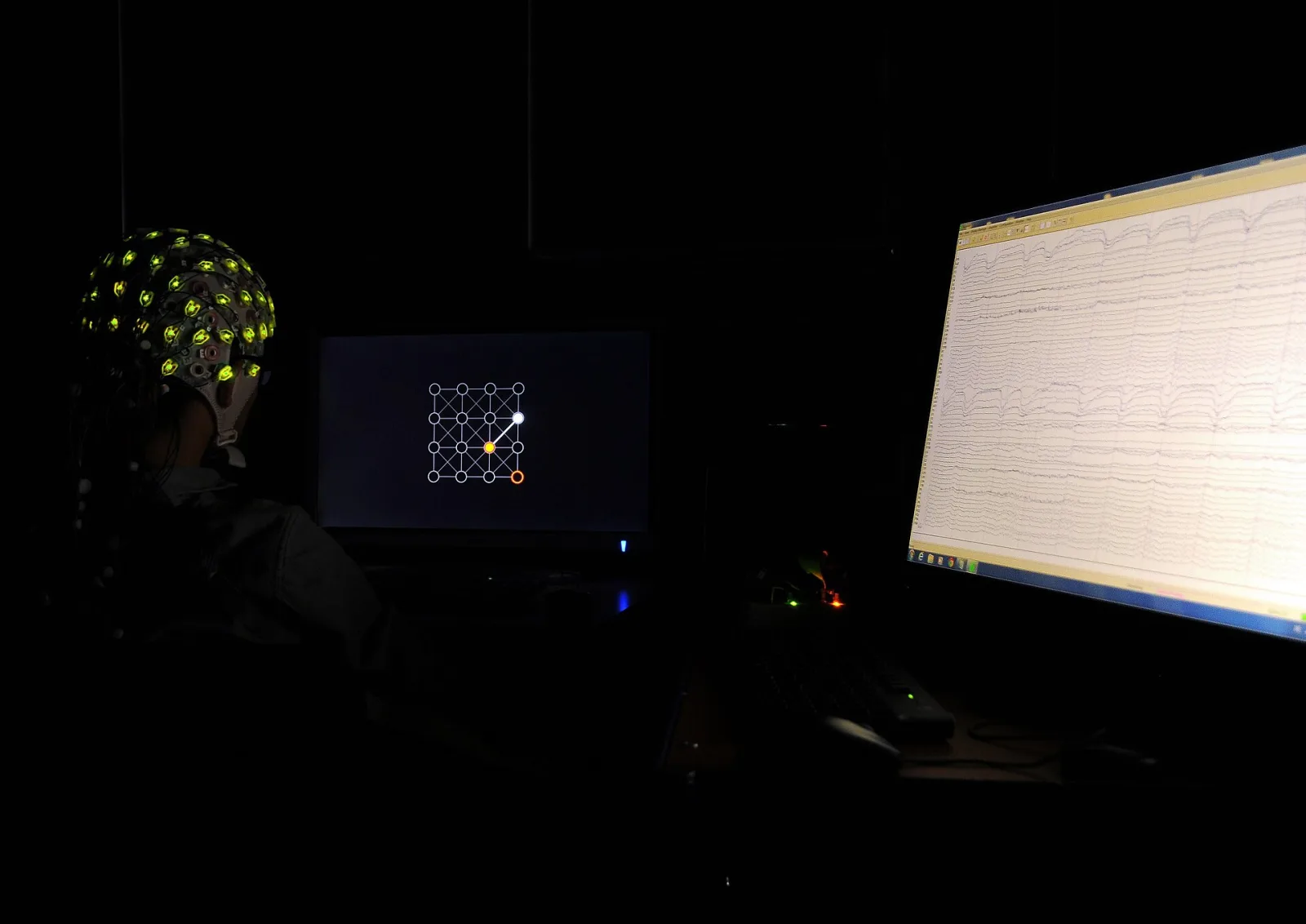
Neuralink announced on 25 November 2026 that the US Food and Drug Administration (FDA) has approved its LINK Pivotal Study, which the company describes as the first pivotal trial of an implantable brain-computer interface (BCI) in the United States. The study will evaluate the safety and effectiveness of the Neuralink system in people with severe paralysis due to amyotrophic lateral sclerosis (ALS), and enrolment is now open.
What the trial will measure
Participants will be assessed on their ability to control digital devices through thought, with a focus on functional outcomes that improve independence in daily life. The study will also continue to track the long-term safety and reliability of the system across several clinical sites. The trial builds on Neuralink's early feasibility studies in the US, Canada and the UK, where more than 30 implanted participants have logged thousands of hours of real-world use.
How the implant works
According to Neuralink's trial page, a brain surgeon places the N1 implant under general anaesthesia while the company's R1 robot inserts fine threads into the area of the brain that controls the hand. Participants learn to move a cursor by imagining hand movements, and most go home about a day after surgery. Follow-up visits are planned at about 10 and 45 days, then at 3, 6, 12 and 24 months. The idea rests on the electrical signals that nerve cells use to communicate, first explained by Andrew Huxley, who showed how nerves carry their signals.
Limits
A pivotal trial is the last major step before a company can apply to market a device, but approval to run it is not approval to sell it. The Neuralink system remains investigational, and its benefits and risks will only be clear once the study reports results.
Sources: Neuralink, Neuralink (trial page), Anadolu Agency
This story is relayed from the source named above; responsibility for its content rests with the original source.
FAQ
What did the FDA approve for Neuralink?
The FDA approved Neuralink's LINK Pivotal Study, a trial of its implantable brain-computer interface in people with severe paralysis due to ALS, announced on 25 November 2026.
Can the Neuralink implant now be sold?
No. The FDA approval lets Neuralink run the LINK Pivotal Study; the Neuralink device is still investigational and has not been authorised for sale.
Who can join the Neuralink LINK Pivotal Study?
The Neuralink LINK Pivotal Study is for people with severe paralysis caused by ALS, and Neuralink says enrolment is open through its patient registry.
How does the Neuralink brain implant work?
The Neuralink N1 implant is placed by a brain surgeon, a robot inserts fine threads into the hand area of the brain, and participants learn to move a cursor by imagining hand movements.
How many people have received a Neuralink implant so far?
More than 30 people have received a Neuralink implant in early feasibility studies in the United States, Canada and the United Kingdom, according to the company.