Zoliflodacin: WHO backs a single-dose pill for gonorrhoea
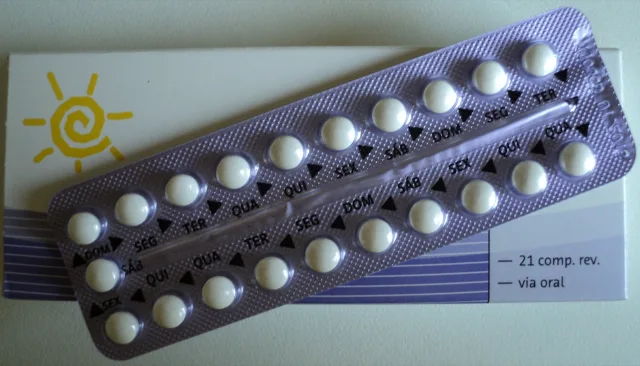
- Zoliflodacin, a new oral antibiotic, has been conditionally recommended by the World Health Organization as an additional single-dose treatment for gonorrhoea.
- Zoliflodacin is taken as one 3 g dose by mouth and is meant for uncomplicated genital and urinary infection in adults and adolescents.
- Ceftriaxone injection remains the WHO first-line treatment for gonorrhoea, and zoliflodacin is not advised in pregnancy.
- The WHO also published new surveillance data showing gonorrhoea resistance to key antibiotics in several countries.

The World Health Organization (WHO) announced on 25 November 2026 that it has conditionally recommended zoliflodacin, a new oral antibiotic, as an additional single-dose treatment option for gonorrhoea. Gonorrhoea is a common curable sexually transmitted infection, with an estimated 82.4 million new adult infections worldwide in 2020, but the bacterium behind it, Neisseria gonorrhoeae, has become resistant to one class of antibiotics after another.
Who the new option is for
The interim WHO guidelines suggest a single 3 g oral dose of zoliflodacin for uncomplicated gonorrhoea of the genital and urinary tract in adults and adolescents aged 12 and over who weigh at least 35 kg. The recommendation does not cover infections of the throat or rectum, or severe infections, and the drug is not recommended in pregnancy. A single 1 g injection of ceftriaxone remains the WHO first-line treatment.
Also read: Australia: syphilis and chlamydia diagnoses fell after doxyPEP guidance for gay and bisexual men
WHO also assessed a second oral antibiotic, gepotidacin, but did not recommend it for general use; it may be considered only in specific situations when the first-line option cannot be used. Both drugs were approved by the US Food and Drug Administration in December 2025.
Resistance is rising
Alongside the guidance, WHO released its 2026 gonococcal surveillance report covering 10 countries. Resistance to ceftriaxone and cefixime was detected in four countries and to azithromycin in eight, reaching 16% for ceftriaxone and azithromycin and 47% for cefixime in the worst-affected countries. Regular testing matters too: one US study showed that opt-out screening tripled chlamydia and gonorrhoea testing in teenagers. And as with any antibiotic, responsible use protects it, which is why antibiotics should not be used for colds and flu.
Limits
The recommendation is conditional and based on low-certainty evidence that came mainly from men, so certainty is lower for women. Data on reproductive safety, including male fertility, are limited, and WHO says the new drug must be introduced with resistance surveillance. The guidelines will be reviewed in consolidated STI guidelines planned for 2027–2028.
Sources: World Health Organization: news release, World Health Organization: additional treatment options for gonorrhoea
This story is relayed from the source named above; responsibility for its content rests with the original source.
FAQ
What did WHO recommend for gonorrhoea in November 2026?
On 25 November 2026 WHO conditionally recommended zoliflodacin, a new oral antibiotic taken as a single 3 g dose, as an additional treatment option for uncomplicated genital and urinary gonorrhoea.
Does zoliflodacin replace the ceftriaxone injection for gonorrhoea?
No. A single 1 g injection of ceftriaxone remains the WHO first-line treatment for gonorrhoea; zoliflodacin is an additional oral option.
Who can take zoliflodacin for gonorrhoea?
Under the WHO guidance, zoliflodacin is for adults and adolescents aged 12 and over weighing at least 35 kg with uncomplicated genital or urinary gonorrhoea; it is not recommended in pregnancy or for throat and rectal infections.
Did WHO recommend gepotidacin for gonorrhoea?
No. WHO did not recommend gepotidacin for general use in gonorrhoea, though it may be considered in specific circumstances when the first-line treatment cannot be used.
How common is gonorrhoea antibiotic resistance according to WHO?
The WHO 2026 surveillance report found ceftriaxone and cefixime resistance in four of 10 countries and azithromycin resistance in eight, with up to 16% resistance to ceftriaxone and 47% to cefixime in the worst-affected countries.