GLP-1 drugs: breast density rises, mammogram recalls double
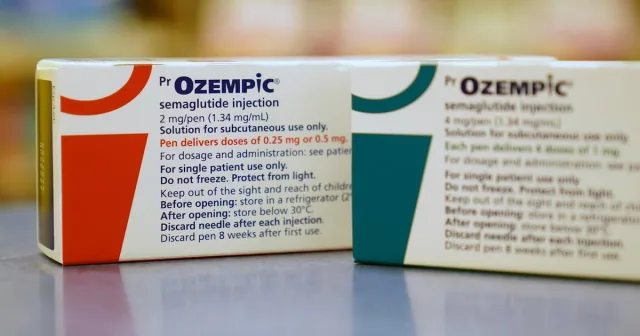
- Women who lost weight on GLP-1 drugs such as Ozempic and Wegovy showed higher breast density on mammograms, a study to be presented at RSNA 2026 found.
- Automated breast density rose by at least one category in 62.5% of the women, and none showed a decrease.
- The screening recall rate reached 22.4%, about double the US average of around 10%, yet every recall and all four biopsies proved benign or negative.
- Researchers say the change likely reflects loss of breast fat, not more glandular tissue, and advise women to keep screening and tell the imaging team about GLP-1 use.
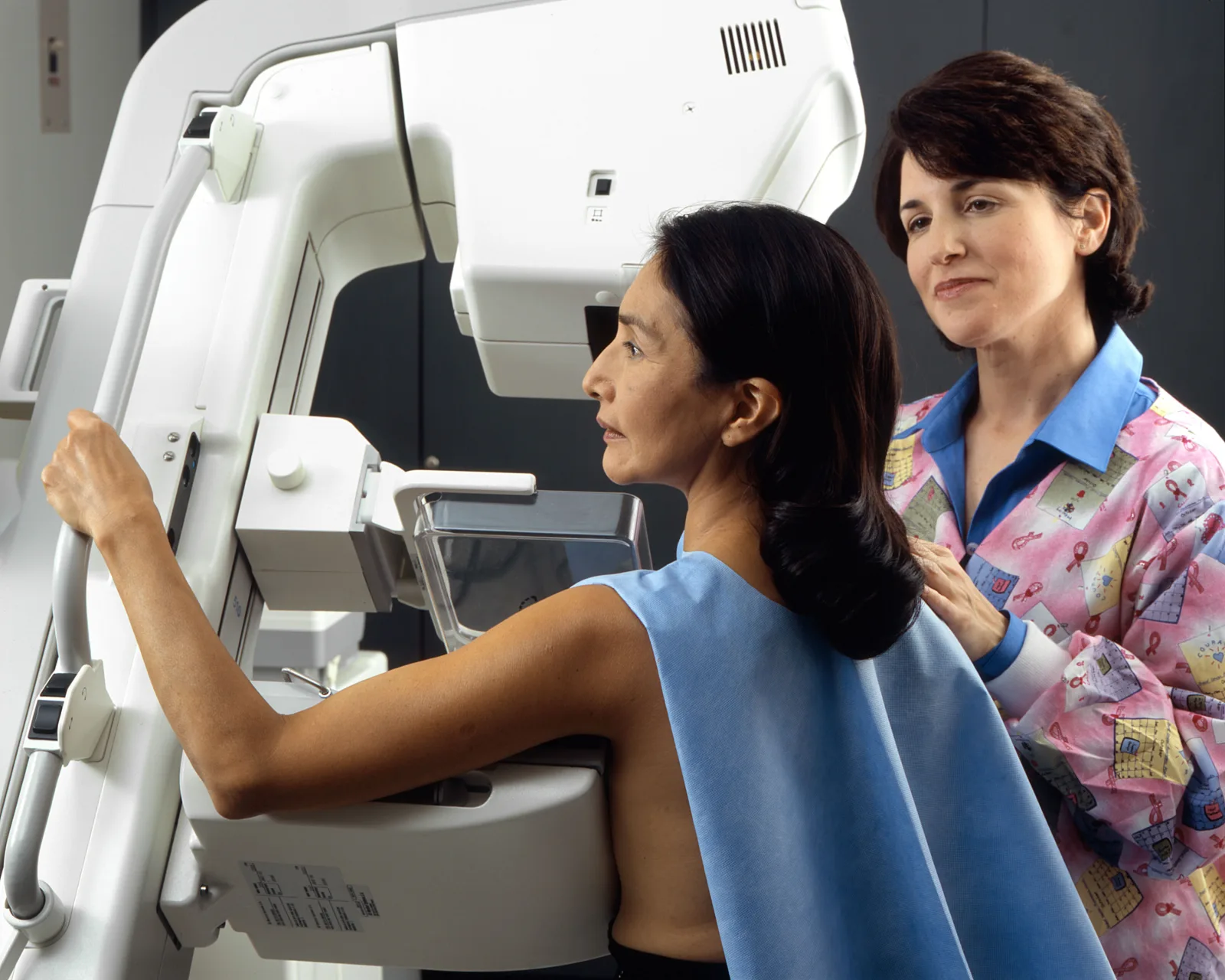
Weight loss on GLP-1 receptor agonists such as Ozempic and Wegovy may change how the breast looks on a mammogram, making it appear denser and prompting more callbacks, according to a study the Radiological Society of North America (RSNA) announced on 24 November 2026. The findings will be presented next week at the RSNA annual meeting in Chicago. The question matters because use is soaring: Gallup data cited by RSNA show that 11% of US adults were taking a GLP-1 medicine for weight loss in 2026, up from 3% in 2024.
What the researchers found
A team led by Dr. Eva C. Gombos, a diagnostic radiologist at Brigham and Women's Hospital in Boston, reviewed 107 women aged 34 to 79 (mean 57.5) who had taken a GLP-1 drug for weight loss for at least one year and lost between 6 and 107 pounds (mean 40 pounds). Each woman had one screening mammogram before treatment and one after, 214 examinations in total.
- Density: automated breast density rose by at least one BI-RADS category in 65 of 104 women (62.5%), with no decreases; eight women moved two categories, from fatty to heterogeneously dense. Greater weight loss was linked to a greater rise.
- Other changes: smaller breasts in 57.9% to 78.5% of women, depending on the radiologist, and thicker skin in 9.3% to 17.8%.
- Recalls: 22.4% of the women (24 of 107) were called back after screening, compared with a US average of about 10%. Four biopsies were recommended and all were benign; the other recalls were negative or benign, including three simple cysts.
Does this mean a higher cancer risk?
Not necessarily. Dense breasts are normally an independent risk factor for breast cancer, but the authors think the change here reflects a disproportionate loss of breast fat, which makes the remaining glandular tissue look more prominent even as its absolute volume falls. "The findings do not suggest that patients should be concerned about taking GLP-1 medications," Dr. Gombos said, adding that the long-term implications still need study. The practical advice: women on these drugs should keep up routine screening and tell their breast imaging team about GLP-1 use and recent weight loss, so radiologists can compare scans in context. GLP-1 drugs also raise other questions for women, as shown by a Danish study on their use in early pregnancy and preterm birth, while breast cancer care keeps evolving, with the FDA approval of giredestrant for early breast cancer.
Sources: Radiological Society of North America (RSNA), EurekAlert! (AAAS)
This story is relayed from the source named above; responsibility for its content rests with the original source.
FAQ
Do GLP-1 drugs like Ozempic increase breast density?
In an RSNA 2026 study of 107 women who lost weight on GLP-1 drugs, automated breast density on mammograms rose by at least one category in 62.5% of them, and none showed a decrease.
Why might breast density rise after GLP-1 weight loss?
Researchers believe GLP-1 weight loss removes a disproportionate amount of breast fat, so the remaining glandular tissue looks relatively denser on a mammogram even though its absolute amount does not increase.
Are women on GLP-1 drugs called back more often after mammograms?
In the study, 22.4% of women on GLP-1 drugs were recalled after screening mammograms, about double the US average of roughly 10%, but every recall and all four biopsies were benign or negative.
Does higher breast density after GLP-1 weight loss mean a higher breast cancer risk?
Not necessarily. The study authors say the density rise after GLP-1 weight loss may not reflect more glandular tissue or a higher cancer risk, though the long-term implications still need research.
What should women taking GLP-1 drugs do about breast screening?
Women taking GLP-1 drugs should continue routine breast cancer screening and tell their breast imaging team about the medicine and any significant recent weight loss.