Giredestrant: FDA approves it for early breast cancer
- Giredestrant (Wilserdly, Genentech) was approved by the US FDA on 23 November 2026 as a once-daily pill after surgery for ER-positive, HER2-negative early breast cancer.
- The FDA calls giredestrant the first new hormone therapy for early-stage breast cancer in more than 20 years.
- In the lidERA trial of 4,170 patients, giredestrant cut the risk of invasive recurrence or death by 30% compared with tamoxifen or an aromatase inhibitor.
- Overall survival data for giredestrant are not yet mature, and the label warns of a slow heart rate.
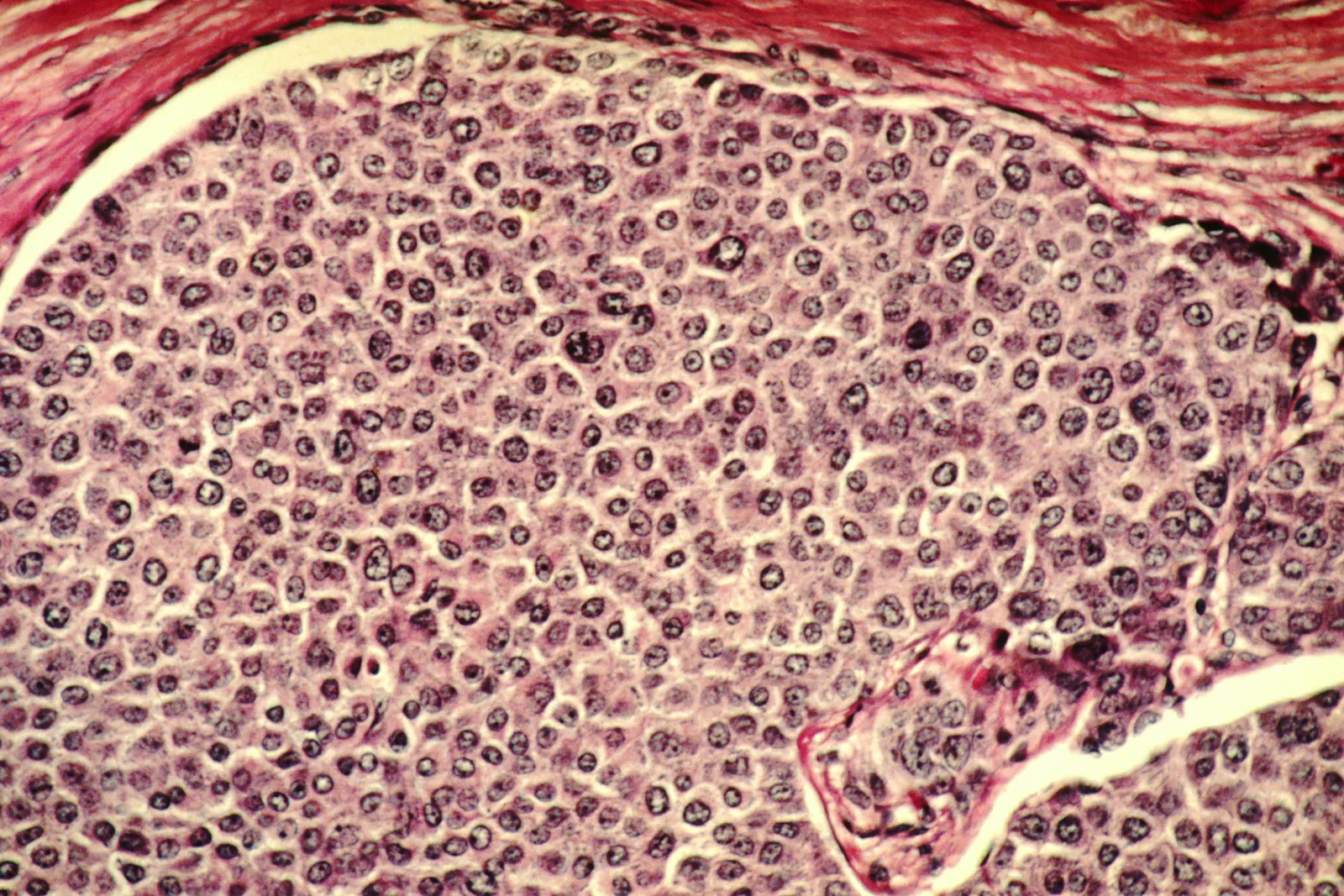
The US Food and Drug Administration (FDA) on 23 November 2026 approved giredestrant, sold as Wilserdly by Genentech (Roche), as adjuvant hormone therapy after surgery for adults with estrogen receptor (ER)-positive, HER2-negative stage I to III breast cancer at intermediate to high risk of recurrence. The agency described it as the first approval of a new endocrine therapy for early breast cancer in more than 20 years.
What is giredestrant?
Giredestrant is an oral selective estrogen receptor degrader (SERD). It blocks the estrogen receptor and helps break it down, removing a key growth signal in ER-positive tumours. The dose is one 30 mg tablet a day for up to five years. Premenopausal women take it together with a drug that suppresses ovarian hormones.
Also read: FDA approves tucatinib as chemotherapy-free maintenance for advanced HER2-positive breast cancer
What did the lidERA trial show?
The phase 3 lidERA trial enrolled 4,170 adults who had already had surgery, comparing giredestrant with standard therapy: tamoxifen or an aromatase inhibitor. After a median follow-up of 32.3 months:
- The risk of invasive recurrence or death fell by 30%.
- At three years, 92.4% of patients on giredestrant were free of invasive disease, against 89.6% on standard therapy.
- The risk of distant recurrence was about 31% lower.
Side effects and limits
The label carries warnings for a slow heart rate (bradycardia) and harm to an unborn baby. Common side effects include joint and muscle pain, hot flashes, fatigue, headache and nausea. The approval rests on an interim analysis; overall survival data are not yet mature, the trial was open label, and giredestrant was not compared with hormone therapy combined with a CDK4/6 inhibitor. The trial was funded by Roche.
The decision comes one week after the FDA first approved giredestrant with everolimus for advanced breast cancer with an ESR1 mutation. It follows other recent breast cancer approvals, such as tucatinib as maintenance therapy for HER2-positive disease.
Sources: US Food and Drug Administration (FDA), Oncology Nursing News, Pharmacy Times
This story is relayed from the source named above; responsibility for its content rests with the original source.
FAQ
What is giredestrant (Wilserdly)?
Giredestrant, sold as Wilserdly by Genentech, is a once-daily oral pill that blocks and breaks down the estrogen receptor, a key growth signal in ER-positive breast cancer.
Who is giredestrant approved for after surgery?
The FDA approved giredestrant on 23 November 2026 for adults with ER-positive, HER2-negative stage I to III breast cancer at intermediate to high risk of recurrence, as hormone therapy after surgery.
How well did giredestrant work in the lidERA trial?
In the lidERA trial of 4,170 patients, giredestrant lowered the risk of invasive recurrence or death by 30%, and 92.4% of patients were free of invasive disease at three years against 89.6% on tamoxifen or an aromatase inhibitor.
What are the main side effects of giredestrant?
The giredestrant label warns of a slow heart rate and harm to an unborn baby; common side effects include joint and muscle pain, hot flashes, fatigue, headache and nausea.
Does giredestrant help people live longer?
It is not yet known whether giredestrant extends life, because overall survival data from the lidERA trial are still immature and Genentech must submit longer-term results to the FDA.