Flu shot after a heart attack: fewer deaths at one year
- Flu vaccination given in hospital after a heart attack was linked to lower one-year mortality in a Swedish study.
- The Lancet Regional Health – Europe study found 2.7% estimated deaths among vaccinated patients versus 4.9% among matched unvaccinated patients.
- Only 6% of eligible heart attack patients in the Swedish study received the flu shot during their hospital stay.
- The flu shot study is observational, so it shows a link, not proof that the vaccine caused the lower death rate.
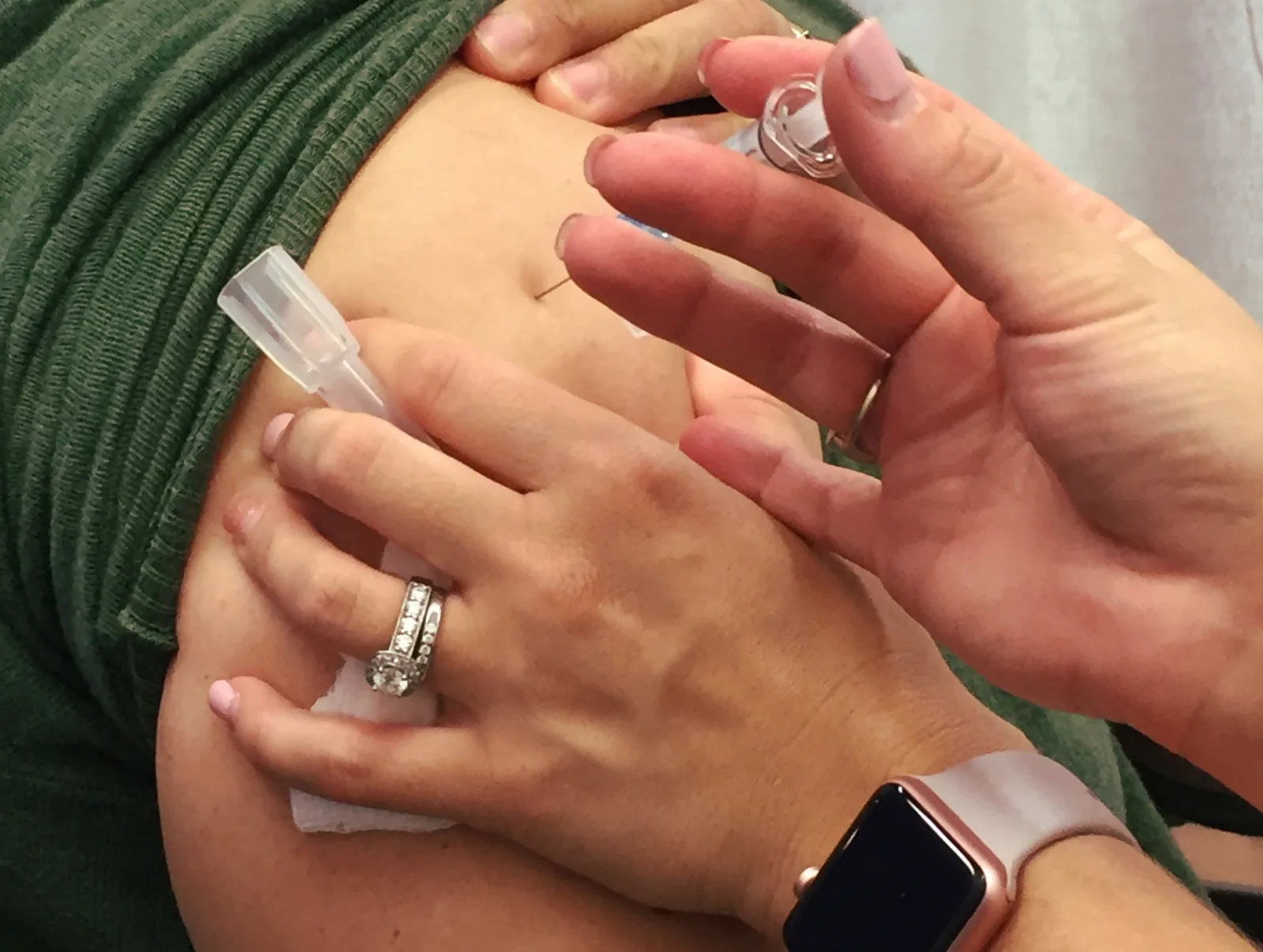
Patients who received a flu shot while in hospital for a heart attack were less likely to die over the following year than similar patients who left unvaccinated, according to a Swedish study published last week in The Lancet Regional Health – Europe and reported on 25 November by CIDRAP.
What the researchers found
A team led by Örebro University analysed patients hospitalised for a heart attack (myocardial infarction) during four flu seasons, from 2021–22 to 2024–25. Patients already vaccinated that season were excluded.
Also read: Flu in England: hospital admissions up almost 80% in a week
- Of 12,711 eligible patients, only 760 (6.0%) received a flu vaccine during their hospital stay.
- The researchers matched 723 vaccinated patients with 723 unvaccinated patients with similar characteristics.
- Over 12 months, 18 vaccinated patients (2.5%) and 33 unvaccinated patients (4.6%) died, giving estimated one-year mortality of 2.7% versus 4.9%.
- There was no statistically significant difference in readmission for heart attack or other major cardiac events.
Why it matters, and the limits
Influenza can trigger heart attacks and heart failure, and guidelines already recommend flu vaccination for people with acute coronary syndromes. The authors called adherence "strikingly low" and urged more consistent vaccination during hospitalisation, a timely message as the US flu season starts early.
The study is observational: vaccinated patients may have differed in frailty, income or health habits, some vaccinations outside hospital may not have been recorded, and causes of death were not available. The findings are, however, consistent with earlier research. Coronary disease remains common, as shown by actor Stephen Baldwin's recent 90% artery blockage.
Source: CIDRAP, University of Minnesota
This story is relayed from the source named above; responsibility for its content rests with the original source.
FAQ
Does a flu shot after a heart attack lower the risk of death?
In a Swedish study in The Lancet Regional Health – Europe, heart attack patients vaccinated against flu in hospital had an estimated one-year mortality of 2.7%, compared with 4.9% in matched unvaccinated patients. The study shows a link, not proof of cause.
How many heart attack patients got a flu shot in hospital in the Swedish study?
Only 760 of 12,711 eligible heart attack patients (6.0%) received a flu vaccine during their hospital stay in the Swedish study covering four flu seasons from 2021–22 to 2024–25.
Did the flu shot reduce repeat heart attacks in the Swedish study?
No. The Swedish study found no statistically significant difference between vaccinated and unvaccinated heart attack patients in readmission for heart attack or other major cardiac events over 12 months.
Why might flu vaccination help heart attack patients?
Influenza infection can trigger acute heart events such as heart failure or a heart attack, which is why guidelines recommend flu vaccination for people with acute coronary syndromes.
What are the limitations of the study on flu shots after heart attack?
The Swedish flu shot study is observational: vaccinated patients may differ in frailty, income and health habits, some vaccinations outside hospital may be missing, and the researchers had no data on causes of death.