Can intraoral scanners detect tooth decay? A review of 22 studies gives a cautious answer
- A systematic review analysed 22 studies on how accurately intraoral scanners detect caries.
- In clinical studies, scanners picked up 61% of decay and were correct for 94% of healthy teeth.
- They performed better on biting surfaces than between teeth.
- They did not differ from conventional methods, and the authors say they are not reliable enough alone for screening.
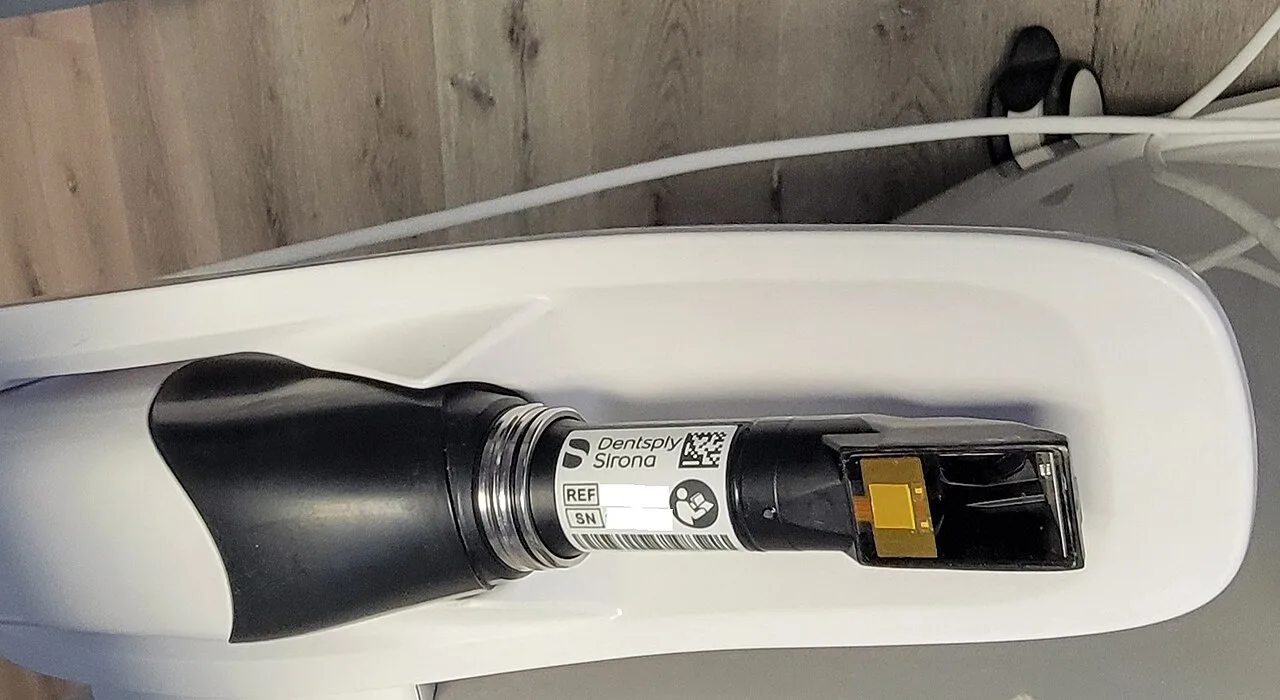
Intraoral scanners have become common in modern dental practices, replacing traditional impressions with 3D digital models. Some devices also promise to help detect tooth decay. Are they accurate enough?
The review
In a systematic review published in the Journal of Dentistry in November 2026, researchers screened nearly 5,000 records and included 22 laboratory and clinical studies comparing scanners with conventional detection methods.
Also read: Pure cranberry juice slowed dental plaque regrowth in a small study
The results
In clinical studies, scanners detected about 61% of caries and correctly identified 94% of healthy teeth. They were more sensitive on biting surfaces than on surfaces between teeth, and showed no statistically significant difference from conventional methods.
What it means for patients
The authors conclude that scanners cannot replace conventional examination and that their limited sensitivity makes them insufficiently reliable for caries screening on their own. They may, however, help monitor early decay over time as part of a personalised approach. Clinical examination, with X-rays when needed, remains the foundation.
Source: Journal of Dentistry (PubMed)
This story is relayed from the source named above; responsibility for its content rests with the original source.
FAQ
Can intraoral scanners detect tooth decay accurately?
In clinical studies intraoral scanners detected about 61% of caries, a moderate accuracy that is not enough on its own for screening.
Are intraoral scanners better than conventional caries detection?
No. The review found no statistically significant difference between intraoral scanners and conventional caries detection methods.
Where are intraoral scanners most accurate for decay?
Intraoral scanners were more sensitive for decay on biting surfaces than on surfaces between the teeth.