John Snow and the Broad Street pump: the cholera map that founded modern epidemiology
- In 1854 a cholera outbreak around Broad Street in London's Soho killed 420 people.
- Physician John Snow traced the cases to a single public water pump, at a time when most doctors blamed 'bad air' (miasma).
- On his advice the parish removed the pump handle on 8 September 1854, and his dot map became a classic of public health.
- John Snow's study is regarded as the founding event of modern epidemiology.
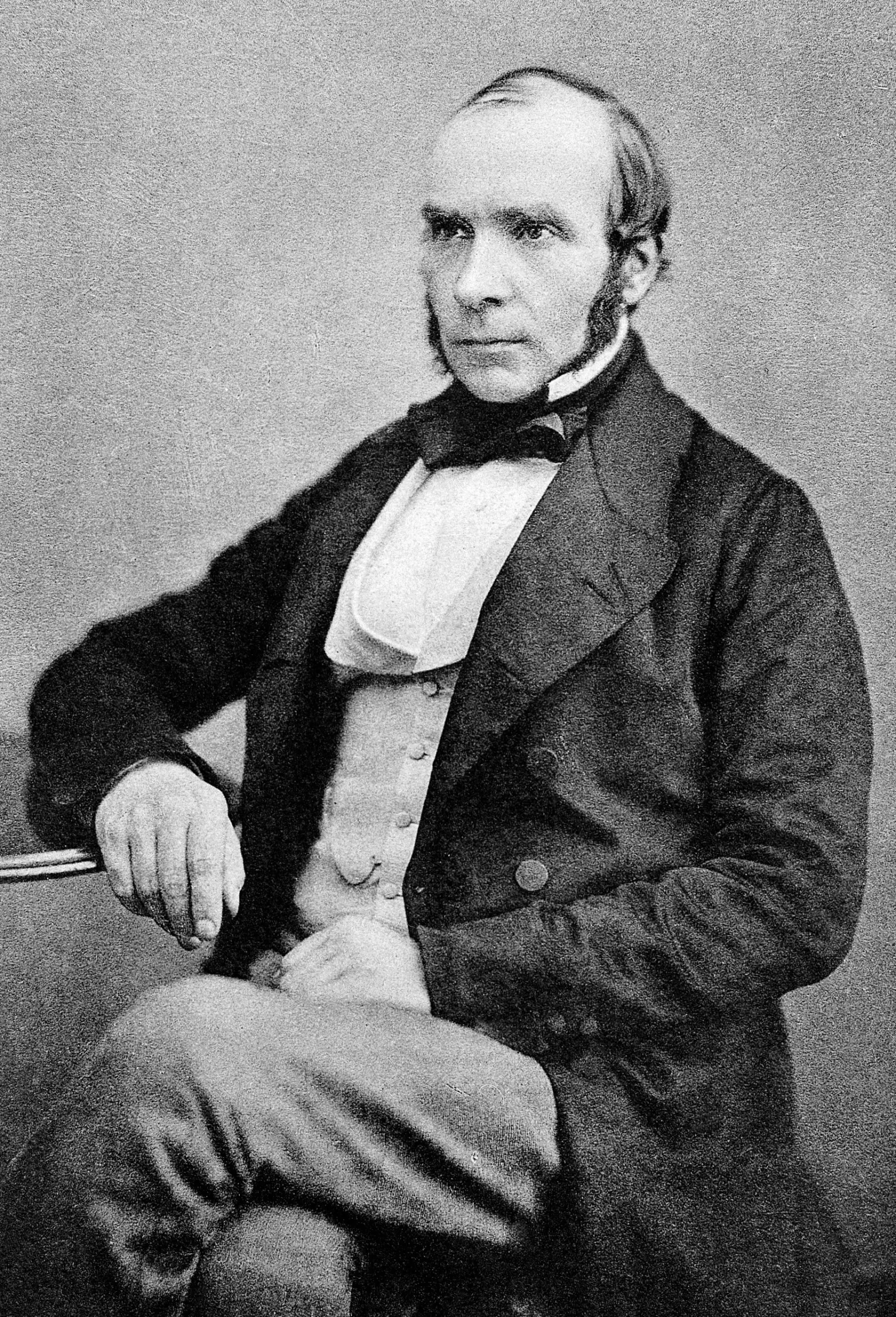
John Snow (1813–1858) was born in York, the first of nine children of a labourer. Apprenticed to a surgeon at 14, he met cholera for the first time in 1832 in the mining village of Killingworth. In London he became a leader in anaesthesia, the field born a few years earlier with ether and James Young Simpson’s chloroform: on 7 April 1853 he gave chloroform to Queen Victoria during the birth of Prince Leopold.
An outbreak in Soho
At the time most doctors believed cholera spread through miasma, foul air from rotting matter. Snow suspected something carried in drinking water. On 31 August 1854 a severe outbreak struck Soho: 127 people on or near Broad Street died in three days, and the toll eventually reached 420.
Also read: Health misinformation: Thailand shares lessons for public health response at WHO roundtable
The pump handle
Helped by the Reverend Henry Whitehead, Snow questioned residents and found that nearly all deaths clustered around the Broad Street pump. Workers at a nearby brewery, who drank beer, were spared. On 7 September he presented his evidence to the parish guardians, and the pump handle was removed the next day. Snow himself admitted the outbreak was probably already declining. The well was later found to lie about 3 feet from a leaking cesspit.
A lasting legacy
Snow mapped the cases with dots, and showed that homes supplied by the Southwark and Vauxhall Waterworks Company had a cholera death rate 14 times that of homes receiving cleaner water. His work is regarded as the founding event of epidemiology and inspired changes to London's water and sewage systems, in the same era that Joseph Lister brought antiseptics to surgery.
Sources: Wikipedia: 1854 Broad Street cholera outbreak, Wikipedia: John Snow
This story is relayed from the source named above; responsibility for its content rests with the original source.
FAQ
Who was John Snow?
John Snow (1813–1858) was an English physician, a pioneer of anaesthesia and one of the founders of modern epidemiology.
What happened in the 1854 Broad Street cholera outbreak?
The 1854 Broad Street cholera outbreak in London's Soho began on 31 August and killed 420 people before it ended.
How did John Snow find the source of the cholera outbreak?
John Snow interviewed residents and mapped cholera deaths, showing they clustered around the public water pump on Broad Street.
Why was the Broad Street pump handle removed?
The Broad Street pump handle was removed on 8 September 1854, the day after John Snow presented his evidence to the St James parish guardians.
Why is John Snow called a founder of epidemiology?
John Snow linked cholera to contaminated water using case mapping and comparisons between water suppliers, work regarded as the founding event of epidemiology.