L-BAIBA: exercise molecule boosts muscle in mice
- L-BAIBA, a molecule that muscles release during exercise, helps muscles adapt, resist fatigue and perform better, a University of Leeds study in Nature Communications finds.
- In mice, L-BAIBA reshaped muscle metabolism and function and eased muscle problems in a model of diabetes.
- In people, blood L-BAIBA levels tracked aerobic fitness and rose with endurance training.
- L-BAIBA is already sold as a supplement, but there is no proof yet that taking it helps people with type 2 diabetes.
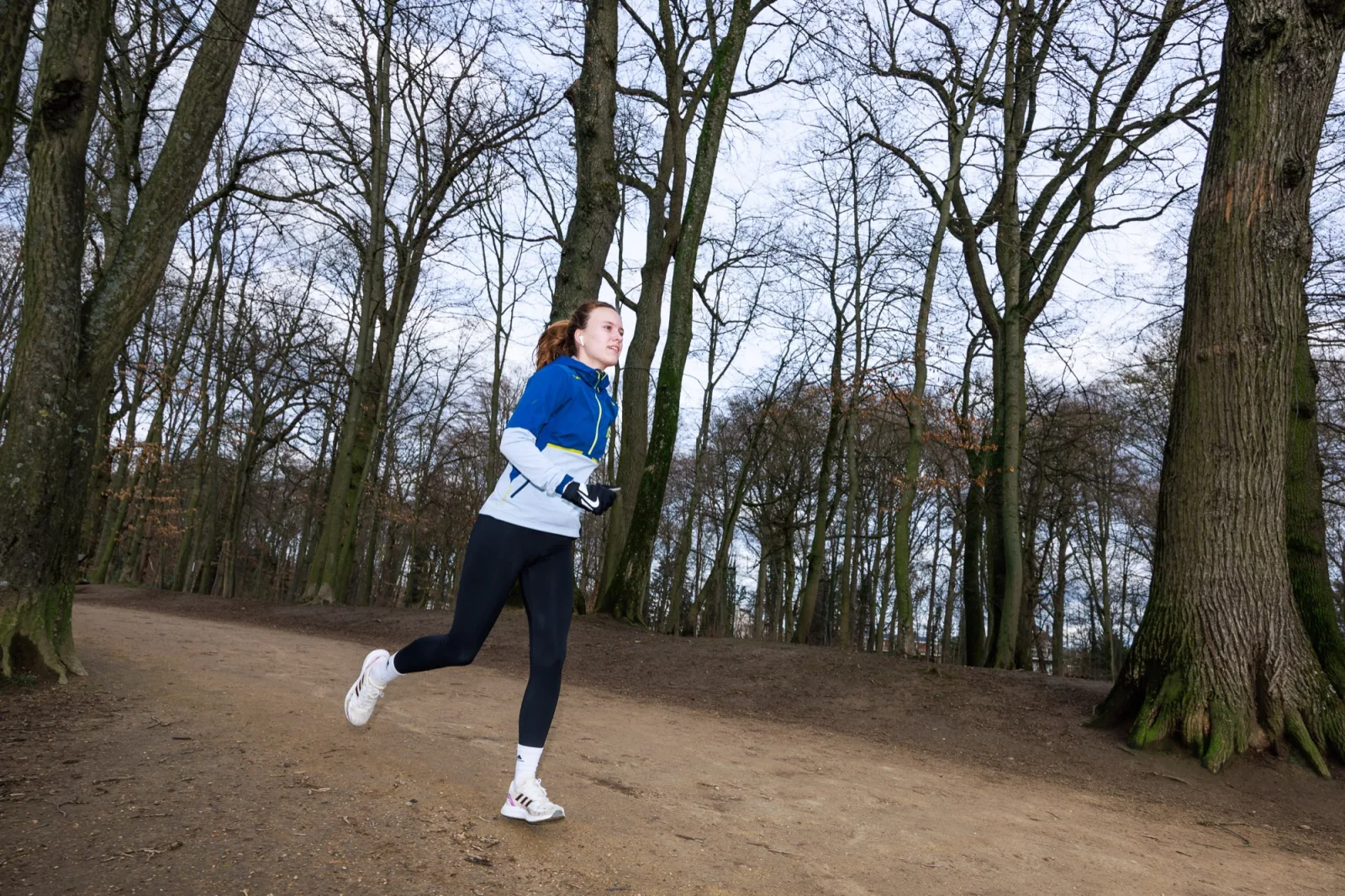
Why does exercise make muscles stronger? Part of the answer may be a small molecule called L-BAIBA (L-β-aminoisobutyric acid). A study published in Nature Communications and reported by the University of Leeds on 26 November 2026 shows that muscles release it during exercise and that it acts as a chemical messenger linking physical activity to changes in muscle structure and metabolism.
What the researchers found
The team, led by Professor Lee Roberts with partners at Harvard Medical School, the University of São Paulo, Wageningen University and Newcastle University, worked mainly in mice. They found that:
Also read: Sleeve gastrectomy after 60: 62% of patients with type 2 diabetes reached long-term remission
- BAIBA regulated muscle metabolism, structure and function through a receptor called PPARδ, shaping exercise performance.
- BAIBA eased muscle dysfunction in a mouse model of diabetes.
- Blocking the enzyme that makes L-BAIBA in mouse leg muscle weakened the gains normally produced by training.
- In lab-grown human muscle cells, L-BAIBA changed markers of fibre type and maturation.
- In people, blood L-BAIBA correlated with aerobic fitness and rose after endurance training.
Promise and limits
Professor Roberts said the work identifies L-BAIBA as an exercise-induced signal that helps muscles adapt and points to a target for therapies to preserve muscle in conditions such as diabetes. His earlier research, in 2014, linked the same molecule to burning fat in response to exercise.
The evidence for direct effects comes from mice and cells; the human data show only an association. L-BAIBA is already sold as a dietary supplement, yet Diabetes UK, which co-funded the work, stresses the findings are at an early stage, and the researchers say more studies are needed before supplements can be recommended. Interest in protecting muscle is growing fast, as with an experimental compound that burns fat while sparing muscle.
Sources: Nature Communications, ScienceDaily (University of Leeds)
This story is relayed from the source named above; responsibility for its content rests with the original source.
FAQ
What is L-BAIBA?
L-BAIBA (L-β-aminoisobutyric acid) is a natural molecule that muscles release during exercise; a 2026 Nature Communications study shows it acts as a messenger that helps muscles adapt to training.
What did the L-BAIBA study find in mice?
In mice, L-BAIBA regulated muscle metabolism, structure and function through the PPARδ receptor, improved exercise performance and eased muscle dysfunction in a model of diabetes.
Was L-BAIBA studied in humans?
Yes, partly: the Leeds-led study found that blood L-BAIBA levels in people correlated with aerobic fitness and increased with endurance training, and it tested L-BAIBA on human muscle cells in the lab.
Should people with type 2 diabetes take L-BAIBA supplements?
Not on this evidence: L-BAIBA is sold as a supplement, but the researchers and Diabetes UK say the findings are early and further research is needed to show any benefit for people with type 2 diabetes.
Who carried out the L-BAIBA study?
The L-BAIBA study was led by Professor Lee Roberts at the University of Leeds with Harvard Medical School, the University of São Paulo, Wageningen University and Newcastle University, funded by Diabetes UK and the BBSRC.