Par Health recall: 46 lots of six injectable drugs pulled
- Par Health announced on 23 November 2026 a US nationwide recall of 46 lots of six injectable drugs, at hospital level.
- Particles of cellulose, polystyrene, vial stopper material and aluminium were found in some lots.
- The products include the anaesthetic Brevital, Dantrium for malignant hyperthermia, the antibiotics colistimethate and doxycycline, ethacrynate and micafungin.
- The company says it has received no reports of harm so far, but particles injected into a vein can block blood vessels in the lungs.
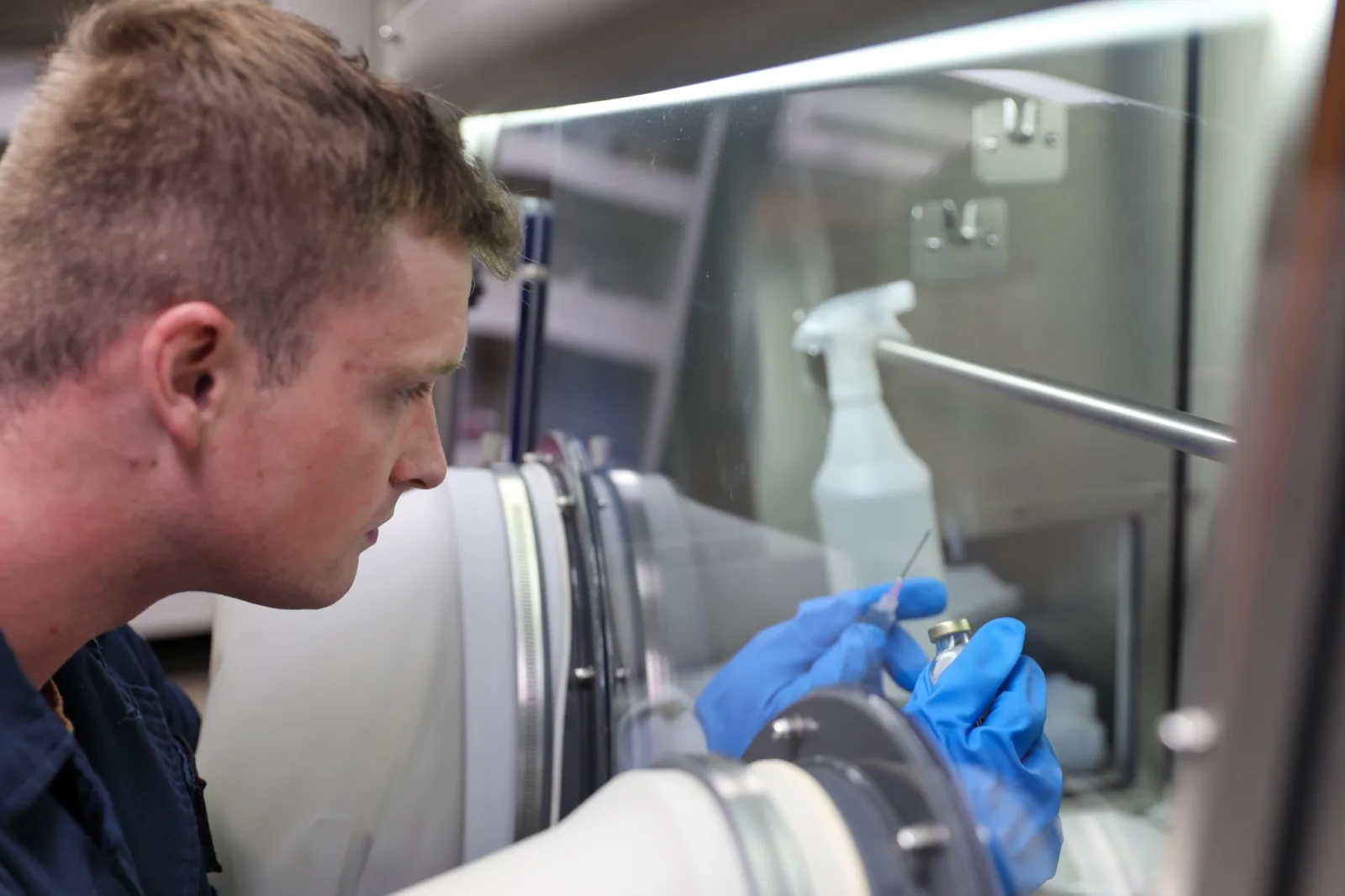
US drugmaker Par Health announced on 23 November 2026 that it is recalling 46 lots of six injectable medicines nationwide, down to the hospital and user level. The reason is particulate matter: tiny particles identified as cellulose, polystyrene, stopper material from the vial and aluminium were detected in certain lots. The affected lots were shipped to wholesalers and hospitals across the US between 2 July 2024 and 17 September 2026.
Which drugs are affected?
- Brevital Sodium (methohexital) 500 mg: a short-acting anaesthetic for inducing anaesthesia and procedural sedation, with 20 lots, the largest share.
- Dantrium Intravenous (dantrolene) 20 mg: the emergency treatment for malignant hyperthermia during surgery, 15 lots.
- Doxycycline for Injection 100 mg: a broad-spectrum antibiotic, 4 lots.
- Micafungin 50 mg and 100 mg: an antifungal for serious Candida infections, 5 lots in total.
- Coly-Mycin M (colistimethate) 150 mg: an antibiotic for gram-negative infections, 1 lot.
- Ethacrynate Sodium 50 mg: an intravenous diuretic, 1 lot.
Why particles in an injection are dangerous
According to the company, giving an injection that contains particles carries a reasonable probability of life-threatening harm: blockage of blood vessels in the lungs (pulmonary embolism), blockage of other vessels that can damage tissue and organs, and inflammation of vein walls that may lead to clots. Par Health says it has not received any reports of adverse events linked to these lots so far.
Also read: 22 vials of compounded tirzepatide recalled in the US over lack of sterility assurance
What happens now?
These drugs are given in hospitals, not bought at a pharmacy, so the recall is aimed at wholesalers and hospital pharmacies, which have been told to stop using and distributing the affected lots and to return them. Patients who received one of these medicines and have questions should talk to the hospital that treated them. The FDA has acted on other risky products this month, as in its warning to Amazon and Walmart over unapproved herpes products; earlier, we also reported a recall of compounded tirzepatide over sterility concerns.
Sources: Par Health (PR Newswire), Morningstar (PR Newswire)
This story is relayed from the source named above; responsibility for its content rests with the original source.
FAQ
What did Par Health recall in November 2026?
Par Health recalled 46 lots of six injectable drugs in the US on 23 November 2026: Brevital Sodium, Dantrium Intravenous, Coly-Mycin M, doxycycline for injection, ethacrynate sodium and micafungin.
Why were the Par Health injectable drugs recalled?
The Par Health lots were recalled because particles of cellulose, polystyrene, vial stopper material and aluminium were detected in some of them.
What is the risk of particles in an injectable drug?
Particles in an injected drug can block blood vessels in the lungs or elsewhere, damage tissue and organs, and inflame vein walls, which may lead to clots.
Has anyone been harmed by the recalled Par Health lots?
Par Health says it has not received any reports of adverse events related to this recall so far.
Do patients need to do anything about the Par Health recall?
The Par Health recall is at hospital level, so hospitals and wholesalers remove the lots; patients with questions about a drug they received should ask the hospital that treated them.